


Pure Nickel Wire for Industrial Leads and Battery Connections
 Jun 15, 2026|
 View:472
A nickel wire connection must fit the assembly and carry its intended electrical load without excessive heating. For manufacturers purchasing pure nickel wire for industrial leads or battery connections, material selection therefore extends beyond a nickel percentage on a quotation.
The specified grade establishes the chemistry. Wire diameter and delivery condition determine how the material feeds and forms, while surface condition influences the joining process. These requirements should be settled before a trial order becomes a recurring production item.

What Is Pure Nickel Wire?
Pure nickel wire is made from commercially pure nickel grades, including Nickel 200 (UNS N02200) and Nickel 201 (UNS N02201). Commercially pure material contains controlled residual elements; the designation does not mean chemically pure nickel.
Nickel 201 has a lower carbon limit than Nickel 200. This distinction matters in certain elevated-temperature applications, but it does not establish the suitability of a finished electrical connection. Buyers should specify the required grade and obtain the corresponding material certificate.
Properties That Affect Electrical Connections
Electrical resistance and operating temperature
Nickel conducts electricity, although its conductivity is lower than copper's. Connection length and cross-sectional area influence resistance, and the resulting heat depends on the applied current. Nickel resistance also changes with temperature. A room-temperature measurement alone cannot establish acceptable performance throughout an assembly's operating cycle.
Corrosion resistance in the service environment
Pure nickel has useful resistance to caustic alkalis and many reducing environments. Selection still depends on the actual medium and exposure conditions. External moisture exposure and contact with a process chemical require different assessments.
Formability and delivery condition
Annealed wire can accommodate forming operations that would be difficult with a harder drawn condition. A softer wire may also behave differently in an automatic feeder. The required bend geometry should guide the mechanical specification, including any agreed tensile or elongation limits.
Industrial and Battery Applications
Battery connections
Use round nickel wire where the connection drawing specifies wire. Many battery interconnect designs use flat material, so suitability cannot be transferred between geometries without evaluation. For a wire connection, approval should cover the mating terminal and the actual joining process.
A wire component being resistance welded is not automatically a welding consumable. Metallic nickel connections also serve a different function from nickel-containing active materials in a battery electrode.
Electronic and industrial leads
Formed leads and selected electrical components can use nickel where its chemical resistance and joining characteristics suit the design. The finished part may require controlled cut length or a repeatable bend profile. For automated assembly, wire feeding behavior can be as relevant as its nominal diameter.
Temperature-sensitive electrical components
Nickel's temperature-dependent resistance can be useful in appropriately designed sensing components. It should not be assumed to provide constant resistance during heating. Applications involving sustained elevated temperatures require a separate assessment of the grade and surrounding atmosphere.
Moving from Trial Spools to Production
A successful hand-built sample may not reveal difficulties that appear during continuous feeding. Production trials should use the intended spool arrangement and assembly equipment. Record interruptions caused by tangles or inconsistent straightening, along with the electrical results.
For welded leads, evaluate the joint using the component drawing's acceptance criteria. Depending on the design, this may include mechanical testing and resistance measurements, followed by temperature-rise or environmental testing. The assembly manufacturer should define the test conditions and acceptance limits.
Approve the wire specification together with the joining process. Retain the trial material identification so that later deliveries can be compared with the qualified batch.
Common Purchasing Problems and Their Controls
Unclear material identity: specify solid commercially pure nickel when required and check the certificate against the ordered grade. Appearance alone cannot distinguish every coated substitute.
Variable forming behavior: agree the delivery condition and assess springback on the intended tooling.
Inconsistent joining: define surface cleanliness and review storage or handling contamination before adjusting welding settings.
Feeding interruptions: check spool compatibility and unwinding direction during the trial.
Unexpected changes between orders: record the approved requirements and agree which material or process changes require notification.
Technical Requirements for Purchase Orders
| Requirement | What to specify |
|---|---|
| Material | Grade designation and applicable chemistry requirements |
| Wire dimensions | Nominal diameter, tolerance and any ovality limit |
| Mechanical condition | Annealed or drawn condition, with application-specific acceptance limits |
| Surface | Cleanliness and permissible defects for the forming or joining operation |
| Electrical checks | Measurement method and reference temperature where resistance is specified |
| Documentation | Material certificate and agreed inspection records linked to the delivery |
Delivery Format and Packaging
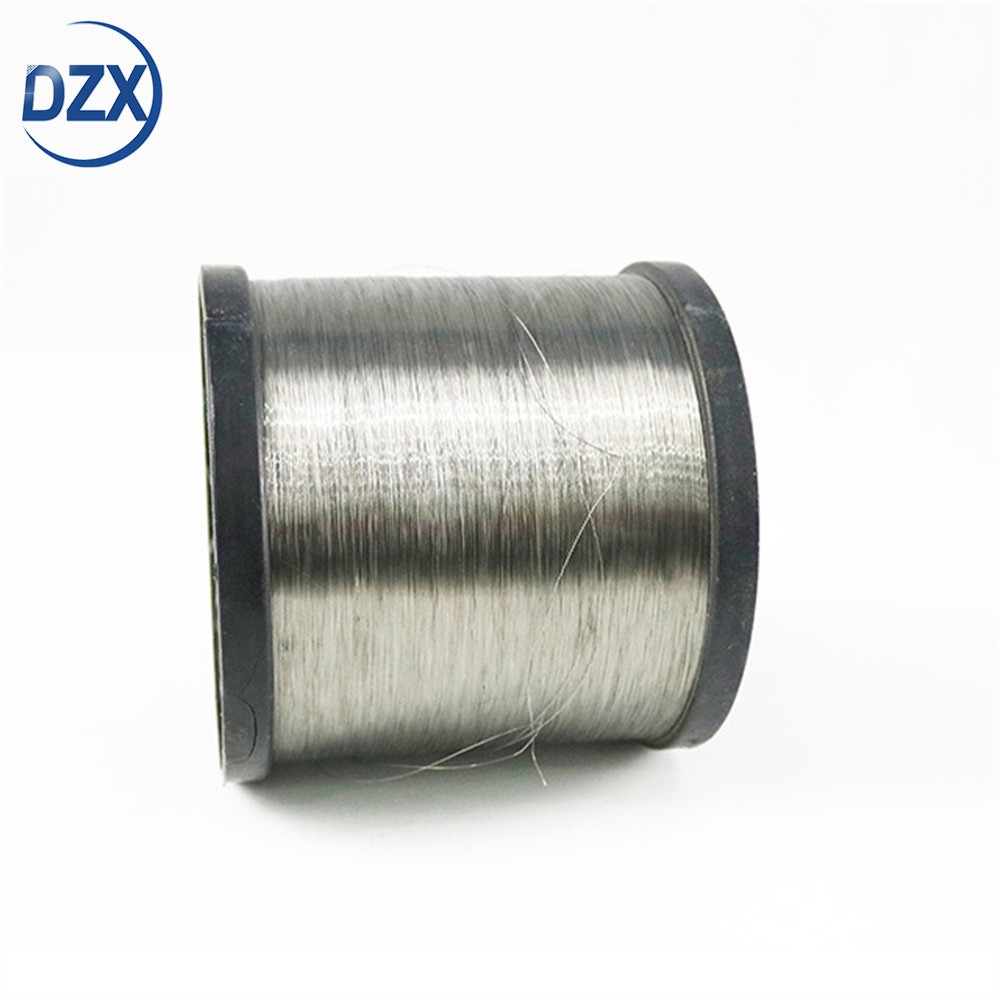
For continuous processing, define the spool dimensions and permitted wire weight per spool. State whether joins are allowed and how wire ends should be secured. Packaging should protect the surface from handling contamination and prevent damage during transport.
Bright appearance describes a surface; annealed describes a material condition. Both may be relevant to the same order and should be specified separately.
DZX Manufacturing and Supply Support
DZX's manufacturing capabilities include wire drawing and annealing, supported by surface cleaning and winding operations. These stages provide a practical basis for discussing how the supplied wire will behave during downstream assembly.
Raw-material supplier relationships and incoming chemical and mechanical checks support material control before processing. Buyers sourcing Pure Nickel Wire can use a component drawing and trial results to define the required supply condition.
For recurring orders, agree the inspection scope and replenishment schedule with DZX before production release. This connects purchasing requirements to manufacturing planning without relying on a general stock or delivery-time assumption.
Frequently Asked Questions
Does a higher nickel percentage guarantee a better battery connection?
No. The selected grade must meet the design, but joint geometry and assembly conditions also affect performance. A purity claim cannot replace component validation.
Can a welding setting be carried over to a new wire diameter?
A diameter change alters the joint geometry and electrical behavior. Reassess the process using the new material before releasing it for routine assembly.
Should incoming wire be cleaned before joining?
Follow the qualified assembly procedure. Additional cleaning should be validated because the method may leave residues or change the surface presented to the joint.
What should accompany a request for trial material?
Provide the connection drawing and intended joining method. Include the required grade, wire condition and spool details, plus any electrical or mechanical acceptance criteria already established.
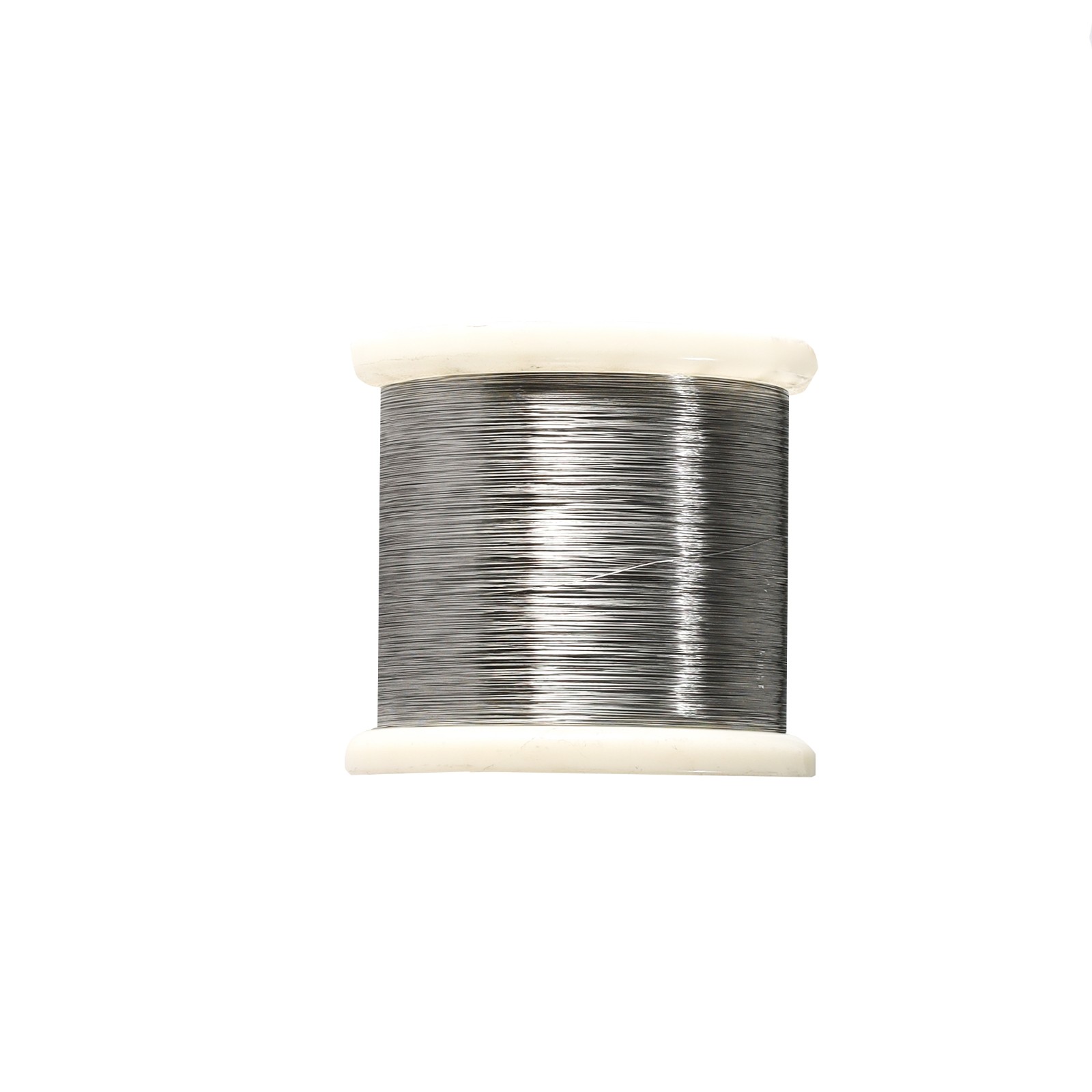
Recommended Products
Highly Corrosion Resistant Nickel Wire with Excellent Weldability and Processability
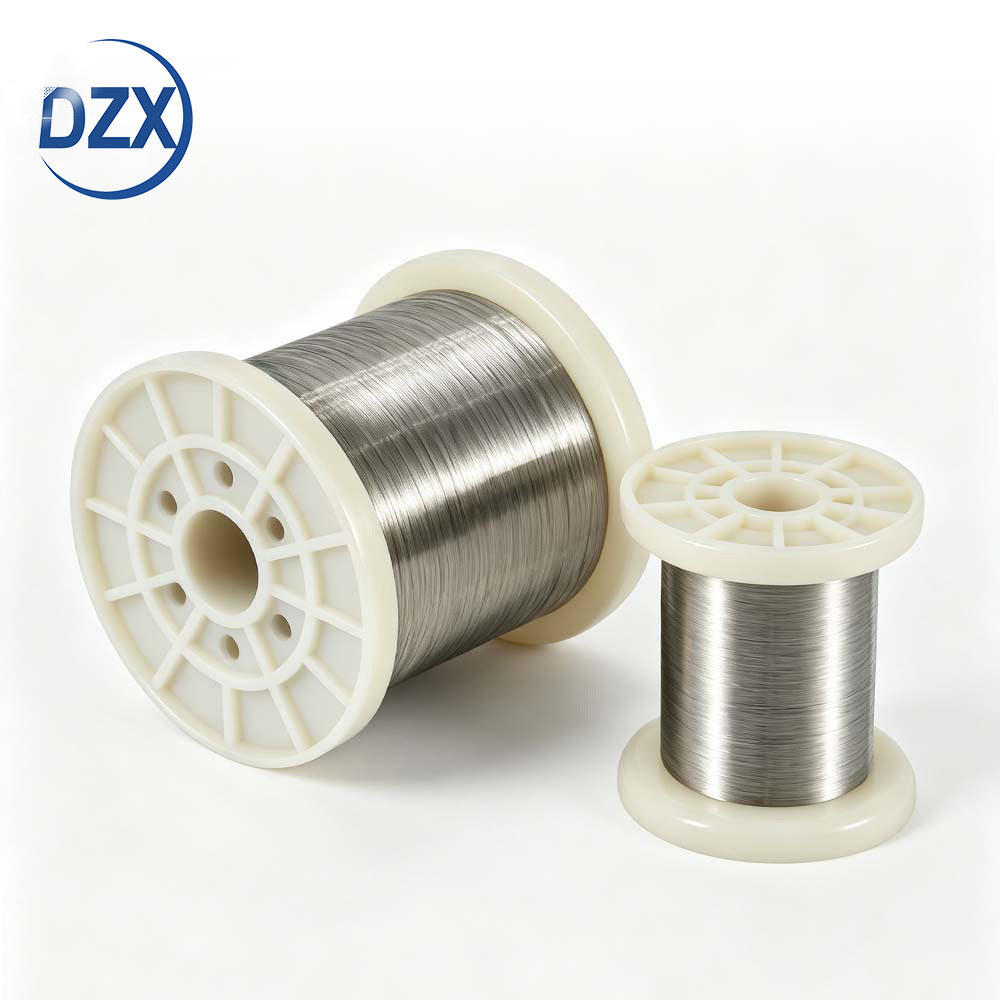
Pure Nickel Wire with High Electrical and Thermal Conductivity
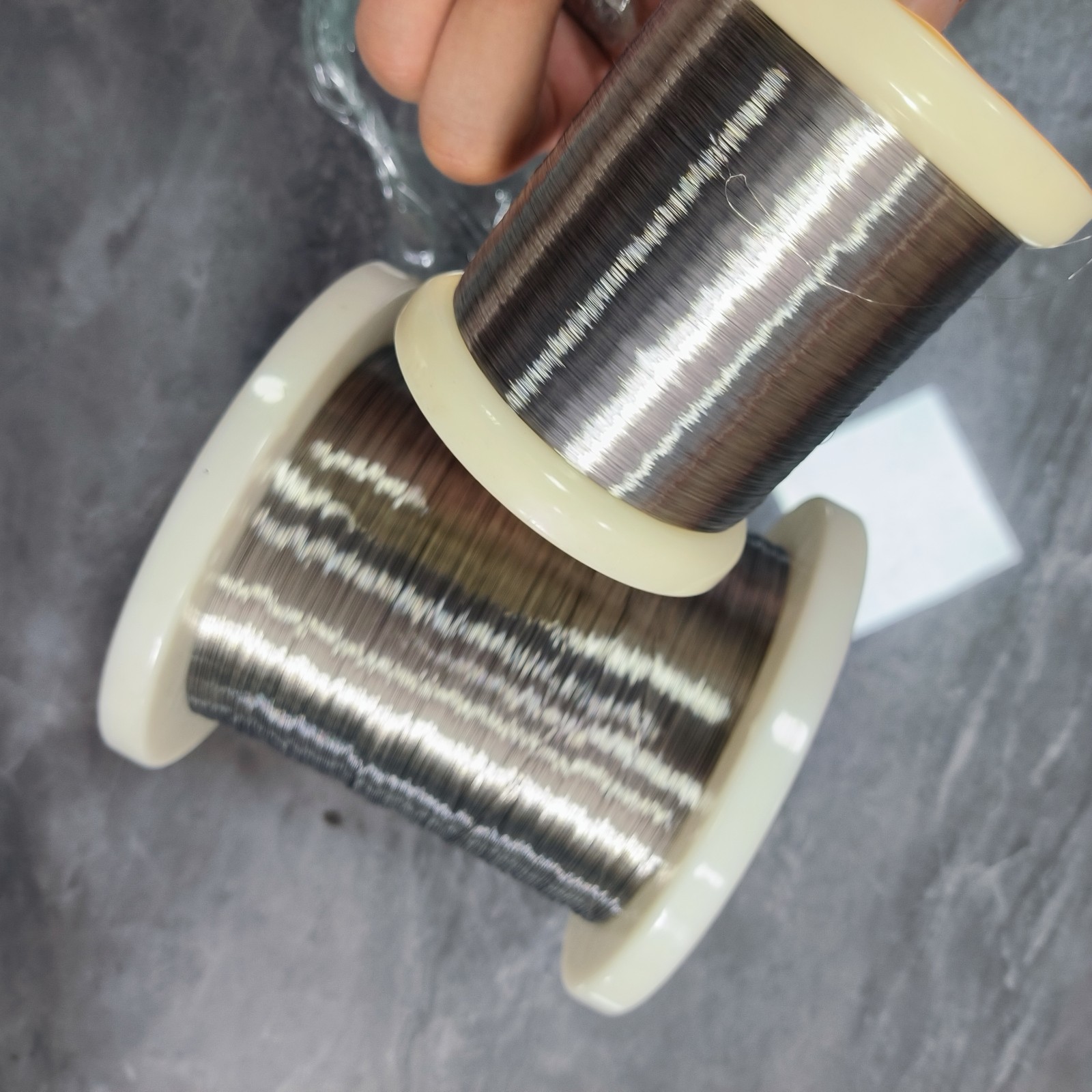
High Purity Industrial Nickel Wire

High Purity Nickel Wire in Ni200 Ni201 N4 N6 Grades

Pure Nickel Wire with Face-Centered Cubic Structure for Superior Corrosion Resistance

High Purity Solid Nickel Wire for Industrial Applications
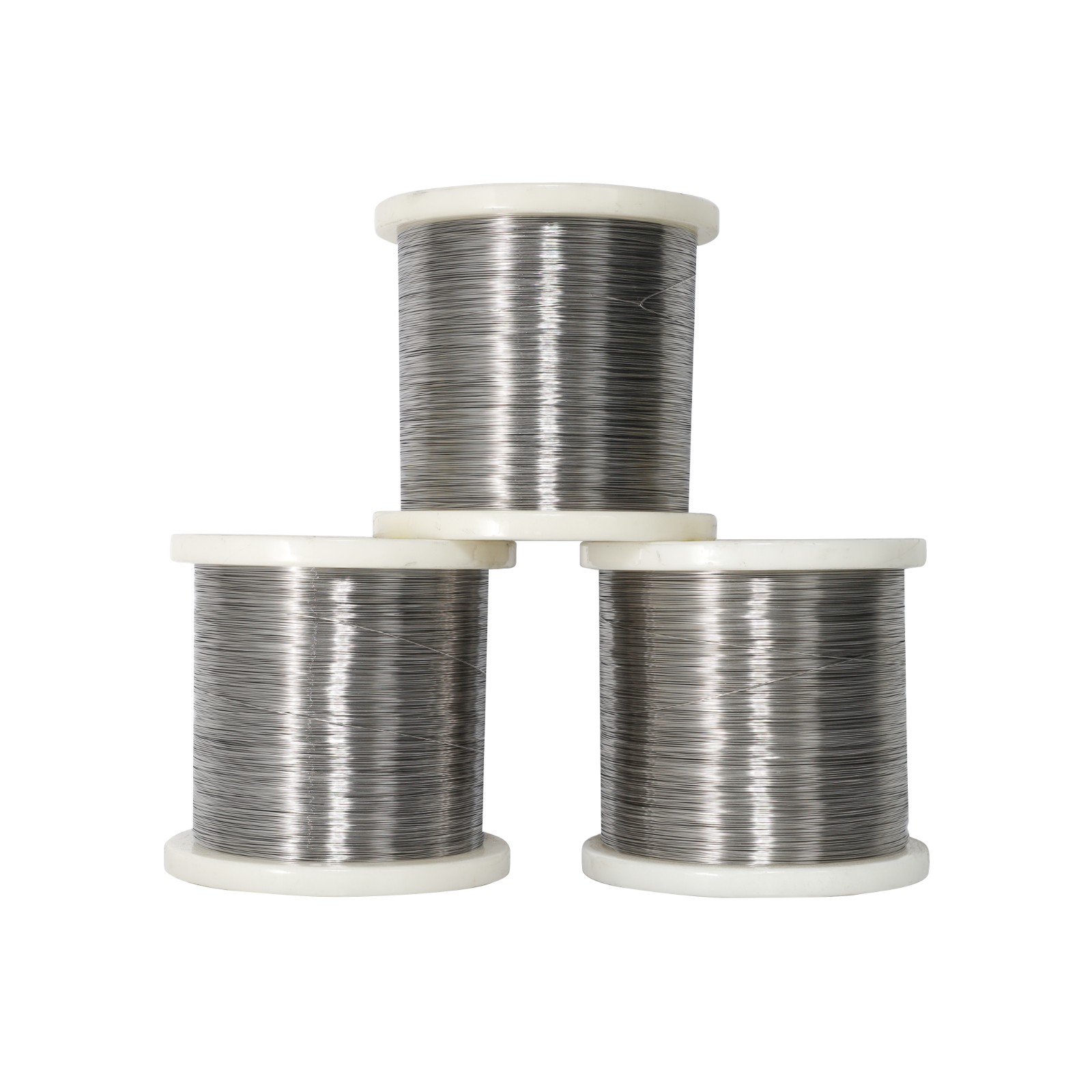
High Performance Nickel Wire for Corrosion Resistance
NP1 NP2 Anti-Corrosion Nickel Wire for Oil and Gas

ASTM Pure Nickel Wire for Aerospace Industry

In-Stock Ni200 Ni201 Pure Nickel Wire 0.025-10mm


