


Nickel Wire Cost: Why Quotes Differ for the Same Grade
 Jan 08, 2025|
 View:1063
Two orders for the same nickel wire grade can require different production routes. A tighter diameter tolerance may need closer process control, while a specified delivery condition can add heat treatment. These requirements help explain why quotations differ even when the nominal diameter and order weight match.
For Pure Nickel Wire, the quoted price includes material and conversion costs. Comparing the grade alone leaves important differences in the supply specification unresolved.

A comparable quotation starts with a complete wire specification. Buyers should establish the required condition and acceptance criteria before comparing unit prices.
Pure nickel is used in alkaline service and electrical components, with suitability determined by the operating conditions. These applications can require different mechanical properties even when the same grade is selected.
Cold drawing increases strength while generally reducing ductility. Annealing restores ductility for forming or further drawing. Annealed and hard-drawn wire are therefore different purchasing specifications.

Translate the required properties into purchasing information:
Corrosion resistance: identify the medium and concentration.
Temperature suitability: state the expected exposure.
Electrical performance: define any resistance limit and measurement temperature.
Formability: specify the delivery condition and required elongation.
Before attributing a quotation difference to processing, check whether the offers use the same pricing date or agreed reference period. Material purchased at different times can carry different acquisition costs.
Once that basis is comparable, review the technical scope. A supplier may quote a finished price without separating every operation, but the included requirements and any exceptions should still be clear.

A general “high purity” description is insufficient for purchasing. Nickel 201 has a lower carbon limit than Nickel 200; the appropriate designation depends on the application. A higher nickel percentage alone does not establish better suitability.
More restrictive impurity limits can affect feedstock selection and the verification required. State the exact grade and applicable material specification. If an enquiry adds limits beyond that specification, identify them separately so the supplier can review their effect on sourcing and testing.
Wire production reduces the starting material through successive drawing operations. Intermediate annealing may be needed as the material hardens. The starting size and required finished condition influence the processing sequence.
Finer wire can require additional passes and more careful handling. It also represents more length per kilogram. For round wire of the same density, halving the diameter produces four times the length per kilogram. This geometric relationship does not imply a fourfold price increase, but it helps explain why weight alone is an incomplete measure of processing demand.
Nominal diameter and diameter tolerance are separate requirements. State the permitted variation and any roundness requirement. A narrow acceptance band may require closer measurement and can reduce the proportion of output acceptable for that order.
Electrical lead-wire orders may require resistance checks. Wire intended for joining may need agreed surface-cleanliness criteria. These requirements extend the inspection scope beyond chemical composition.
Testing a sample from a production lot and reporting results for every spool involve different workloads. Define the sampling plan and acceptance limits before requesting a quotation.
A certificate request should identify the results needed for acceptance. If a distributor's customer requires spool-specific identification, that requirement should reach the manufacturer before inspection and packing are planned.
A request that can be met from suitable finished material differs from one requiring a dedicated drawing batch. The available material must match the required condition as well as the diameter.
Small production lots distribute setup activities over fewer saleable kilograms. Combining compatible demand may improve production utilization, but requirements should only be grouped when the approved specifications permit it.
DZX's raw-material supplier relationships and incoming verification support sourcing coordination. For recurring sizes, provide expected consumption and release dates so material preparation can be reviewed alongside the production schedule. Availability and dispatch timing should be established for the actual order.
DZX's factory capabilities include precision wire drawing and annealing, followed by surface cleaning and winding. These operations allow the delivery condition to be discussed with the production supplier before the wire reaches the customer's equipment.
An annealing requirement should relate to the desired material response. If the buyer needs wire that bends consistently around a specified radius, the enquiry should describe that requirement rather than relying only on the word “soft.”
Surface preparation also needs a defined purpose. A visual appearance requirement may not establish acceptable residue levels for welding. Where cleanliness affects the next operation, agree on an inspection method and the packaging needed to preserve the accepted surface.
DZX's dimensional inspection and mechanical testing capabilities support these discussions. The quotation should identify which checks are included and which additional results are required for the shipment.
Keep purchasing requirements tied to the approved component design. An unnecessarily narrow mechanical-property band can restrict acceptable production without improving the finished part.
Where a requirement is open to review, request an alternative quotation with the proposed difference stated explicitly. The customer can then assess its effect through the appropriate production trial or technical review. Mandatory requirements should remain unchanged until an alternative is approved.
For an initial trial, use material representative of the intended production supply. Changing the condition or spool format after approval can alter feeding and joining behaviour, even when the grade remains the same.
Packaging can explain a price difference after the material and processing requirements have been matched. Confirm:
Coil or spool supply, including spool dimensions.
Net wire weight per package and permitted variation.
Minimum continuous length and whether joints are allowed.
Winding requirements for the receiving equipment.
Package identification and protective wrapping.
Long joint-free lengths may affect usable yield. Small packages add winding and handling operations. For a distributor repacking wire for resale, the incoming spool arrangement should suit the planned handling process.
A lower price per kilogram may cover a different package format or exclude required inspection. Ask suppliers to list deviations against the same specification revision so those differences remain visible during purchasing review.
Send DZX the approved wire requirements together with the quantity and package format. For repeat orders, identify any changes from the previously accepted supply. This gives production and purchasing teams a consistent basis for reviewing the next quotation.
Recommended Products

Monel Wire for Electrical (27% IACS) and Thermal (21 W/m·K) Conductivity

High-Performance Non-Magnetic Monel Wire Tower: 35-55% Elongation for Optimal Stability
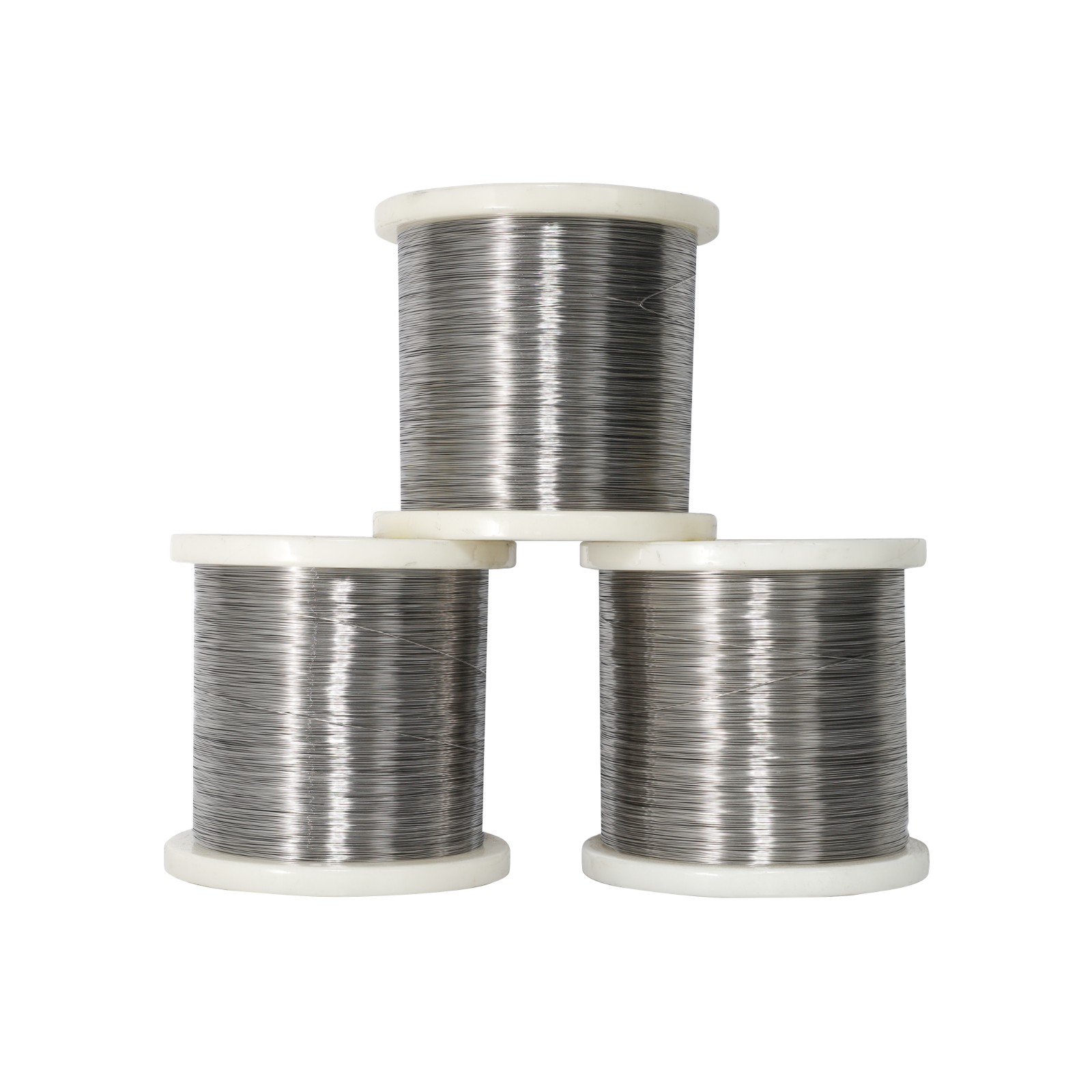
High Performance Nickel Wire for Corrosion Resistance

High Purity Solid Nickel Wire for Industrial Applications

High-Strength Black Annealed Tie Wire (UNS N04400) – 550-750 MPa Tensile


