


What is inconel wire used for?
 Jun 04, 2024|
 View:750
Inconel wire is used for aerospace lockwire, high-temperature springs and corrosion-resistant wire rope. Selected grades also serve as formed supports in industrial equipment. Welding applications require wire supplied to the specified filler-metal classification. Each use places different demands on the alloy and its delivery condition.
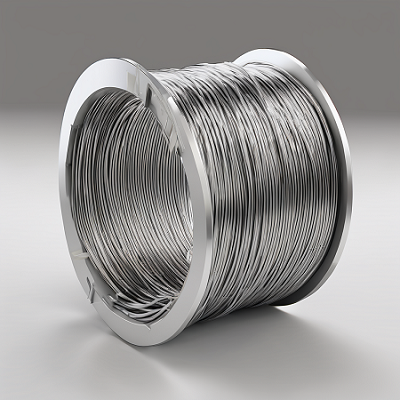
Inconel is a family of nickel-chromium alloys. Differences in alloying additions and processing affect corrosion resistance and mechanical behavior. A purchasing description therefore needs to identify the grade and material condition, together with the wire dimensions. The family name alone does not establish suitability for a component.
The DZX Inconel Wire category includes materials for different fabrication routes. Selection should begin with the finished part's function and the applicable drawing, followed by a review of the operating environment.
Aerospace: Lockwire and Spring Components
Inconel 600 has established aerospace use as lockwire. In this application, wire is installed to secure fasteners according to the assembly specification. Its required diameter and ductility must suit the installation method, while the alloy must tolerate the local operating conditions.
Inconel X-750 is used for springs requiring strength at elevated temperatures. The selected wire temper and heat treatment affect spring performance, including resistance to stress relaxation. The spring manufacturer needs to establish the forming sequence and any treatment required after coiling.
For aerospace purchasing, include the drawing revision and required material specification in the inquiry. Supplier approval and inspection requirements should be settled before a production order. A general alloy designation does not establish approval for an aircraft component.
Petrochemical and Offshore Service: Corrosion-Resistant Wire
Inconel 625 is used in wire rope for marine mooring cables, where corrosion resistance and strength are relevant to material selection. Wire supplied for rope manufacture must also meet the rope producer's requirements for stranding and mechanical properties. The load rating belongs to the finished rope construction and its qualification.
For chemical plant applications involving formed wire parts, selection requires the actual process-fluid composition and operating temperature. Cleaning chemicals and shutdown exposure can also affect the assessment. Resistance to one environment should not be treated as evidence of suitability for every acid or alkaline process.
Welded plant equipment may require nickel-alloy consumables. Procurement should identify the approved filler-metal classification and welding procedure. General-purpose alloy wire should not be substituted solely because its grade name resembles the base material.
Energy and Heat Treatment: Loaded Wire Components
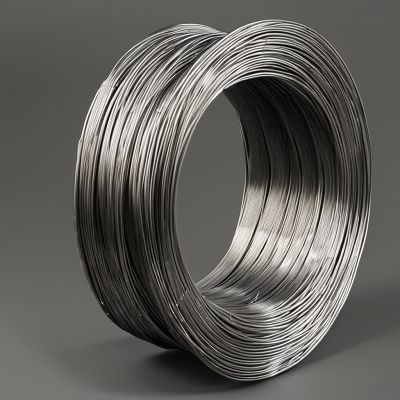
Nickel-chromium alloys are used in heat-treatment equipment, including baskets and trays. Where a component is fabricated from wire, material selection must account for its support geometry and the load carried during the heating cycle. Furnace atmosphere is another part of the specification.
For a spring operating continuously at temperature, oxidation resistance alone is insufficient. The design also needs to address the loss of spring force over time. Specify the expected exposure duration and allowable relaxation so that the spring producer can assess the material condition against the component design.
Automotive: Drawing-Specific Springs and Wire Forms
In automotive development, Inconel wire may be considered for a spring or retaining component exposed to heat beyond the capability of the existing material. The decision should follow the component's measured temperature and load cycle.
A trial order should use the intended production diameter and delivery condition. The component manufacturer can then evaluate forming behavior and springback using the actual tooling. Acceptance should be based on the finished part's dimensional and performance requirements.
Electronics: Formed Supports and Springs
Inconel 600 has documented uses in electronic equipment, including tube support members and springs. For small formed components, surface condition and bendability can influence fabrication results. Buyers should define whether the wire will be wound or bent, together with any joining operation that follows.
Applications requiring particular electrical properties need separate verification. Material selection for a structural support does not establish suitability as a current-carrying conductor.
DZX Production Support for Wire Fabricators
DZX's manufacturing capabilities include alloy melting and wire drawing, with annealing available as part of the processing route. Wire cleaning and controlled winding support preparation for downstream fabrication. These operations provide a basis for discussing the delivery condition needed by a spring producer or other wire-processing customer.
For repeat orders, forming consistency between deliveries deserves attention alongside nominal diameter. A purchase specification can define acceptable tensile properties and surface condition. Spool dimensions and winding requirements should reflect the customer's equipment.
DZX maintains long-term raw-material supplier relationships and describes incoming checks supported by material certificates. Its inspection capabilities include chemical analysis and mechanical testing. Buyers can use the quotation stage to agree on the required test results and how delivered material will be identified against its documentation.
For scheduled purchasing, provide a forecast by grade and size, with the required release dates. This gives DZX a basis for reviewing material preparation and production scheduling. Availability and dispatch timing should be stated in the quotation for each order.
Information Needed for an Application-Based Quotation
A drawing or purchasing specification should describe both the supplied wire and its intended processing. Include the following information where applicable:
Application: Identify the finished component and its function.
Material: State the alloy grade and applicable specification, including the revision.
Dimensions: Provide nominal diameter and tolerance; attach a section drawing for shaped wire.
Delivery condition: Specify the required temper or mechanical-property limits.
Further processing: Describe forming operations and assign responsibility for subsequent heat treatment.
Packaging: Define coil or spool requirements, including permissible package weight.
Inspection: Identify required test documentation and lot-marking requirements.
Supply schedule: Give trial and production quantities, with requested delivery dates.
Where the grade remains undecided, provide the service conditions and component drawing for technical review. Before moving from a sample to repeat production, record the accepted material and inspection requirements in the purchasing specification, including any changes made during the forming trial.


