


Details of pure nickel wire in industrial applications
 Oct 16, 2024|
 View:647
Pure nickel wire is used in electrical leads and formed connections where its material properties suit the assembly. The relevant requirements differ between a lead carrying current near a heat source and a connection inside a battery component. Selection should begin with the wire's function in the finished product.
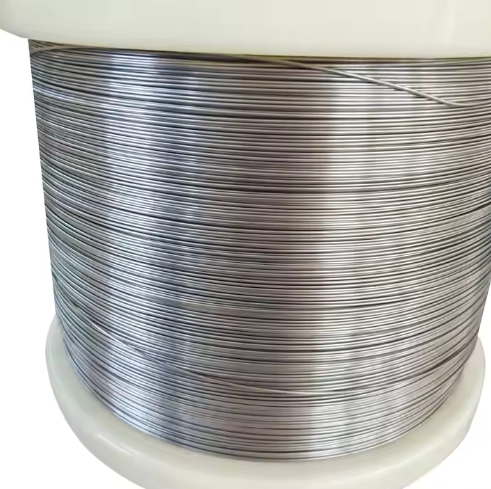
DZX supplies Pure Nickel Wire for industrial processing. Common grades include Ni200 and Ni201. Their composition and delivery condition must match the component specification; appearance alone cannot establish suitability.
Pure Nickel Wire in Electrical Components
1. Connecting Wires and Leads
Nickel is used in electrical and electronic components where conductivity is required alongside corrosion resistance or other material characteristics. Compared with many nickel alloys, commercially pure nickel has relatively high electrical conductivity.
For a lead, assess the complete current path. The wire length and cross-section contribute to resistance, while the joints add their own losses. Measure voltage drop and temperature rise in the intended assembly rather than selecting diameter from a general material description.
2. Formed Connections
Nickel wire can be formed into short links or lead shapes. The required bend geometry influences the supplied condition. A wire that bends easily may still need support against movement after installation.
Define acceptance at the component level. A formed lead may require dimensional inspection and a mechanical retention test after joining. These checks establish whether the material and assembly process meet the drawing together.
3. Connections in Switching Equipment
Where a drawing specifies nickel wire as a lead in a relay or switch assembly, identify its role separately from the switching contact surface. Contact materials must satisfy their own requirements for arcing and wear. The choice of a nickel lead does not establish that nickel is suitable for every current-interrupting surface.
For vibration-sensitive equipment, evaluate the supported lead geometry and the joint together. Inspection should include the area adjacent to the joint, where a change in stiffness may influence mechanical behavior.
Pure Nickel Wire in Heating Equipment
1. Heater Leads and Connections
A heater assembly contains parts with different electrical functions. Where nickel wire is specified as a lead, its purpose is to carry current to the active element. The lead temperature depends on electrical losses and heat received from nearby components.
Provide the expected temperature at the connection point and the surrounding atmosphere. Furnace chamber temperature alone may not describe the exposure of a lead located outside the hot zone.
2. Resistance Changes with Temperature
Nickel's electrical resistance increases substantially as temperature rises. This behavior can be useful in selected temperature-dependent resistor designs, but it requires the circuit to account for the change. A room-temperature resistance measurement does not establish performance during hot operation.
For a specified resistive component, define the required resistance at a stated temperature and how it will be verified. If the circuit relies on a particular resistance-temperature relationship, that relationship needs an acceptance requirement of its own.
3. Grade and Exposure Limits
Nickel 200 is normally limited to service below about 315°C because prolonged higher-temperature exposure can cause graphitization. Nickel 201 is generally preferred above that threshold. The final application still requires assessment of the atmosphere and mechanical loading.
Oxidation resistance does not mean that an exposed wire remains oxide-free indefinitely. Surface changes can affect a connection, so thermal cycling should be included where it represents the product's service conditions.
4. Temperature-Sensing Assemblies
Where nickel wire is selected for a resistance-sensing design, its response must match the instrument's calibration. Thermocouples use a different measurement principle and require the specified pair of thermoelectric materials. General-purpose nickel wire should not be substituted solely because a sensor operates at elevated temperature.
Pure Nickel Wire in Battery Connections
1. Defined Current-Carrying Connections
Nickel is used in battery current conductors and electrode contacts. Wire is appropriate where the cell or assembly drawing calls for a wire-form connection. The required geometry depends on the design; nickel content alone does not determine the appropriate connection format.
State the current duty and the permitted temperature rise. The connection must also remain mechanically supported in the finished assembly. Battery chemistry by itself is insufficient to define the wire specification.
2. Joining to Terminals
When nickel wire is joined to a terminal, the mating material and joint geometry influence the process. Establish acceptance criteria for the resulting connection, including electrical resistance and mechanical integrity where required.
The wire being attached is a component of the assembly. It should not automatically be described as a welding consumable. Any filler material required by the joining process needs its own specification.
3. Assembly Validation
Evaluate the connection using the intended production process. A visually satisfactory joint may still have unacceptable resistance or insufficient strength. Where the product experiences repeated thermal or mechanical loading, include representative conditions in qualification.
Keep joining variables controlled during evaluation. If the wire surface condition changes between trials, record that change so that its effect can be distinguished from changes to the equipment settings.
4. Limits of Material Substitution
Replacing a conductor with nickel wire requires review of the connection design. Material changes can affect electrical losses and joining behavior. A wire connection also needs to remain separate from any intentionally engineered fuse or protection element unless the approved design combines those functions.
DZX Support for Component Manufacturers
DZX's wire-processing facilities include drawing and annealing, supported by surface cleaning and winding operations. These capabilities allow the supplied condition to be discussed against the customer's forming or joining process.
The company's raw-material controls include established supplier relationships and incoming verification. Chemical analysis and mechanical testing are supported by dimensional inspection. The tests required for an individual order should be linked to its material specification.
For a new component, provide the drawing and identify how the wire will be used. A lead that is formed before joining may need different handling characteristics from a straight connection inserted automatically. DZX can review the material-supply requirements against that manufacturing sequence.
Separate incoming-wire acceptance from finished-joint qualification. The supplier's material results support acceptance of the delivered wire; the component manufacturer's tests establish performance after assembly. Agreeing on these responsibilities helps production and purchasing teams resolve deviations without confusing material conformity with joint performance.
Recommended Products
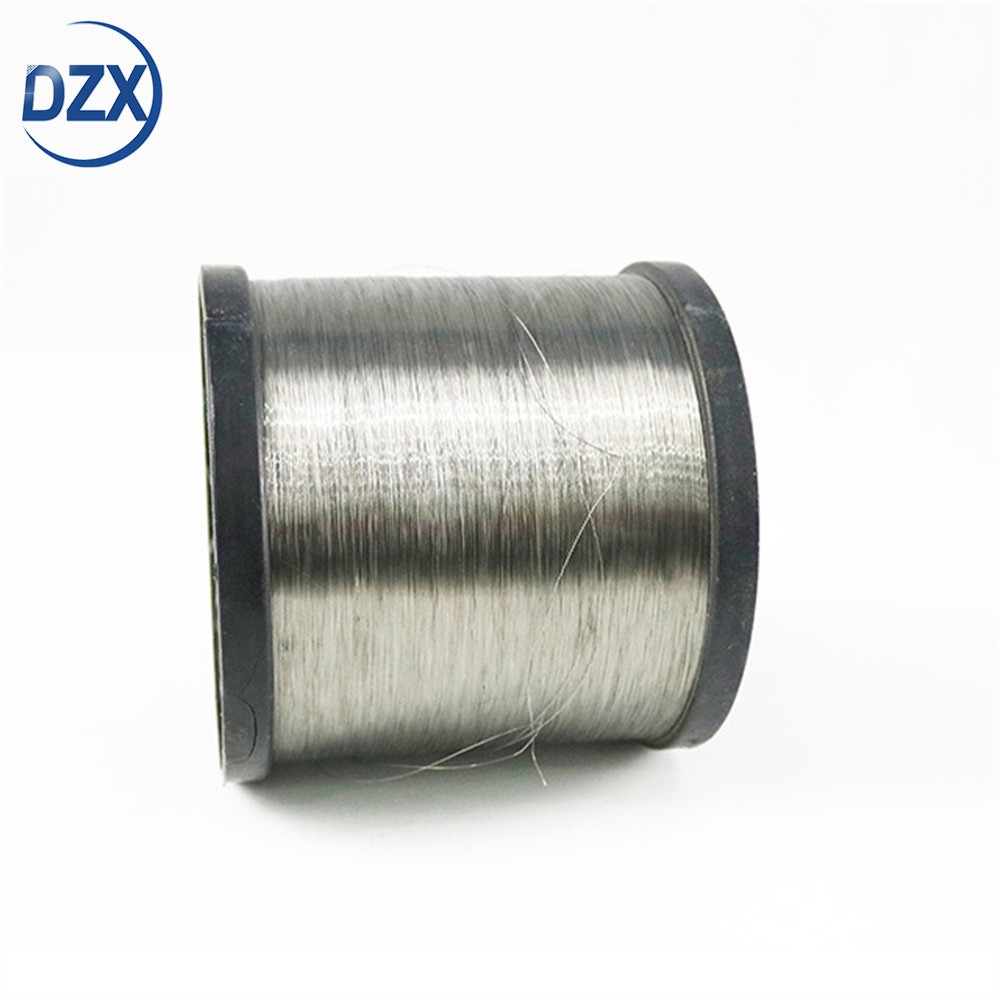
NP1 NP2 Anti-Corrosion Nickel Wire for Oil and Gas

ASTM Pure Nickel Wire for Aerospace Industry

In-Stock Ni200 Ni201 Pure Nickel Wire 0.025-10mm

Conductive Nickel Wire for Electronic Assemblies
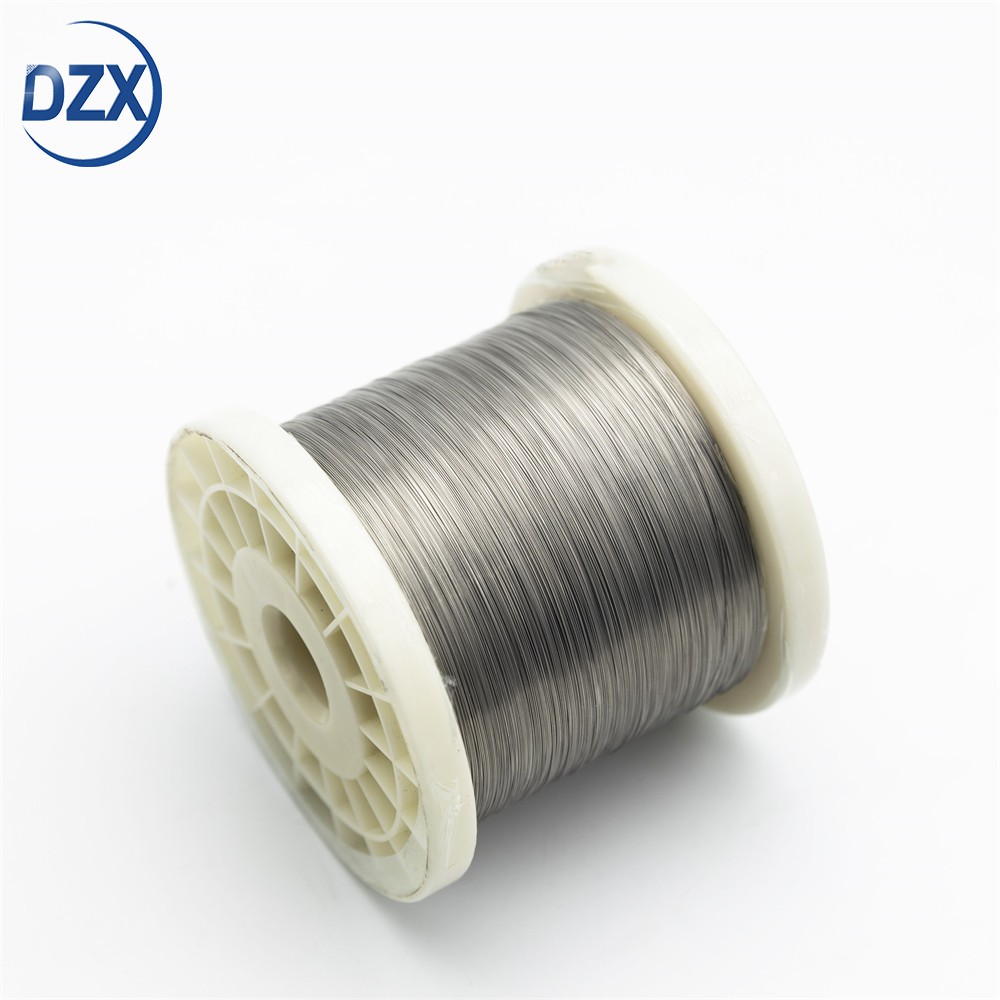
NP1 NP2 Ultra Thin Pure Nickel Wire 0.025mm

NP1 High Purity Nickel Wire 0.025-10mm
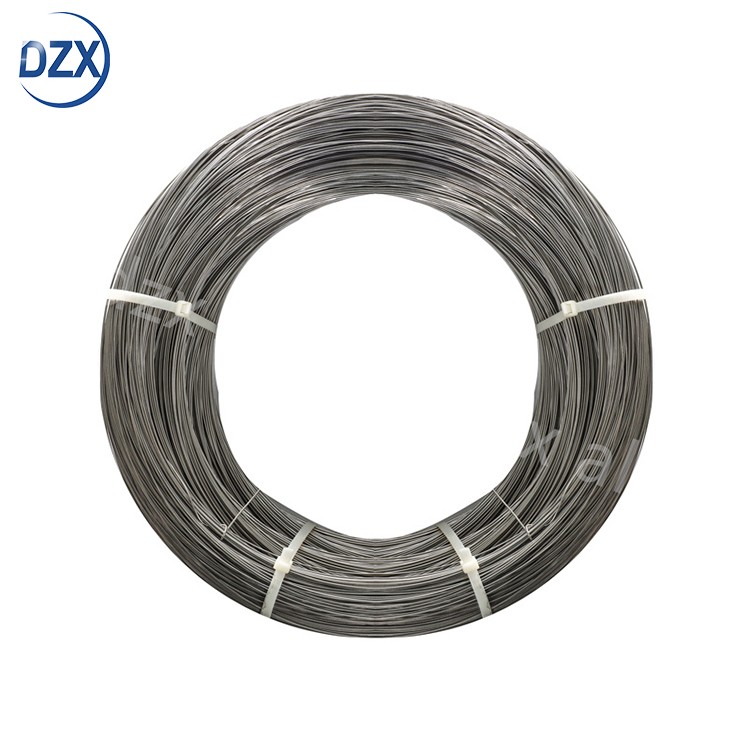
High Purity Russian Pure Nickel Wire 0.025-10mm Price Per Kg

Ni200 Ni201 Pure Nickel Wire for Vacuum Electronics

Pure Nickel Wire 0.025mm Ni200 for Russia Market
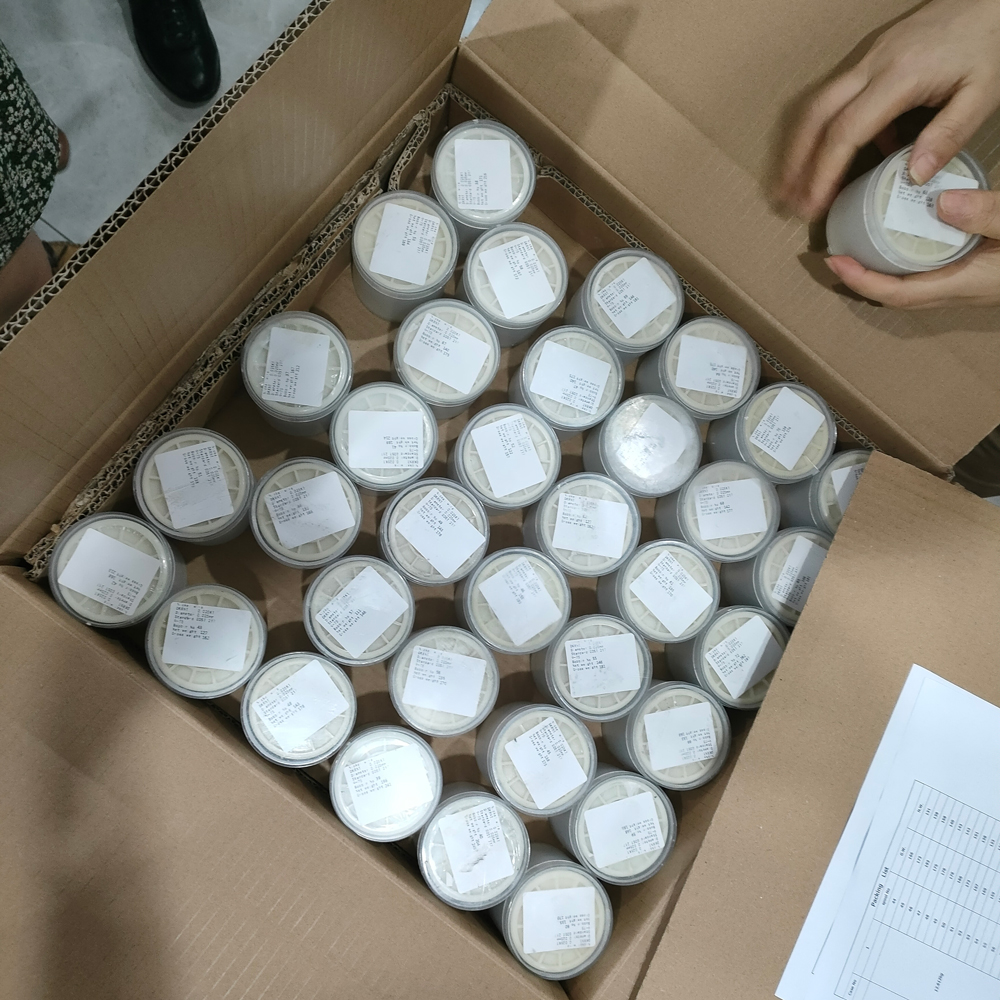
0.025mm Pure Nickel Wire Ni200 Ni201


