


What Is Pure Nickel Used For? Rod, Plate and Pipe Applications
 Dec 30, 2024|
 View:685
Pure nickel is used in selected chemical-processing equipment and electrical components where its corrosion behaviour or conductivity meets the design requirement. The purchased form determines how that material becomes a finished part: rod provides machining stock, plate provides a broad surface for fabrication, and pipe provides a hollow passage for fluid handling.
Commercially pure grades such as Nickel 200 and Nickel 201 have defined composition requirements. Buyers should connect the specified grade with the intended manufacturing route. A material certificate establishes grade-related information; it does not establish that every available shape is suitable for the same component.
Precision Manufacturing: Applications of Pure Nickel Rod
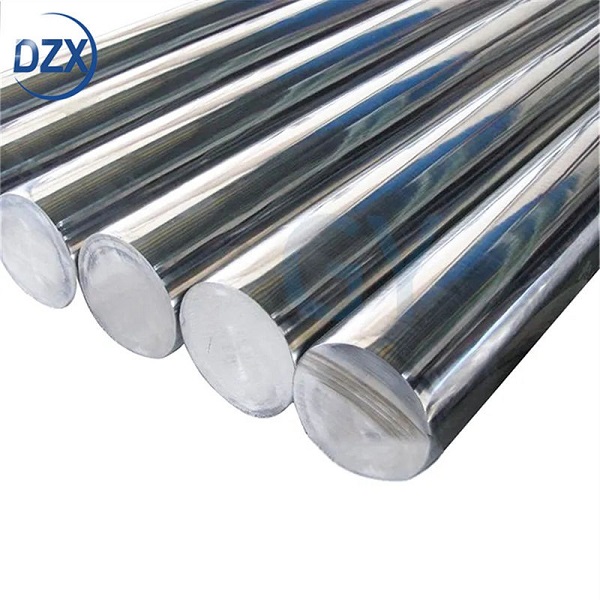
Pure nickel rod can provide starting stock for machined chemical-equipment parts where the design specifies nickel for contact with the process medium. A round section is useful when the component geometry involves turning or drilling. The finished part still needs the mechanical properties required by its drawing.
For example, selected valve components in caustic-handling equipment may require nickel because of the chemical exposure. That material choice does not automatically define sealing performance or resistance to wear. Those requirements depend on the component design and mating surfaces.
Rod enquiries should distinguish the finished diameter from the supplied stock diameter. State the machining allowance and identify any surface defects that would remain unacceptable after processing. If straightness affects automatic feeding or tool setup, include it in the purchasing requirements.
Agree on the supplied condition before setting machining allowances. A trial made from one condition may not represent the production material if its hardness or processing history changes.
Chemical Equipment: Applications of Pure Nickel Plate
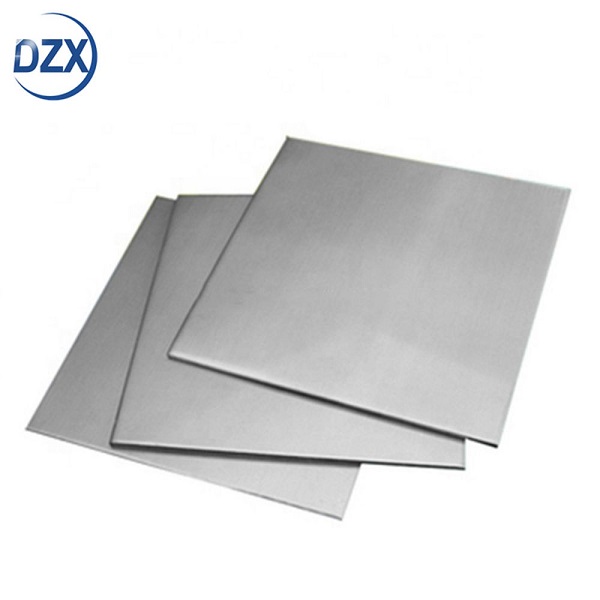
Commercially pure nickel has established uses in caustic-soda equipment. Plate or sheet can provide material for fabricated surfaces, including selected vessel sections and linings. The distinction between solid construction and a lining should be clear in the equipment specification.
For a lining, the backing structure carries a different role from the exposed nickel surface. The fabricator needs the attachment details and joint arrangement. For solid construction, the material must satisfy the structural requirements as well as the corrosion assessment.
Plate purchasing also involves usable dimensions. A nominal sheet size may leave insufficient material after edge trimming or forming. Supply a cutting layout where yield is important, and identify whether the quoted quantity refers to full plates or prepared blanks.
Surface requirements should reflect the next operation. A face intended for welding or bonding may need a different acceptance criterion from a surface that will be machined. Where flatness affects fit-up, specify how it will be checked.
Process Systems: Applications of Pure Nickel Pipe and Tube
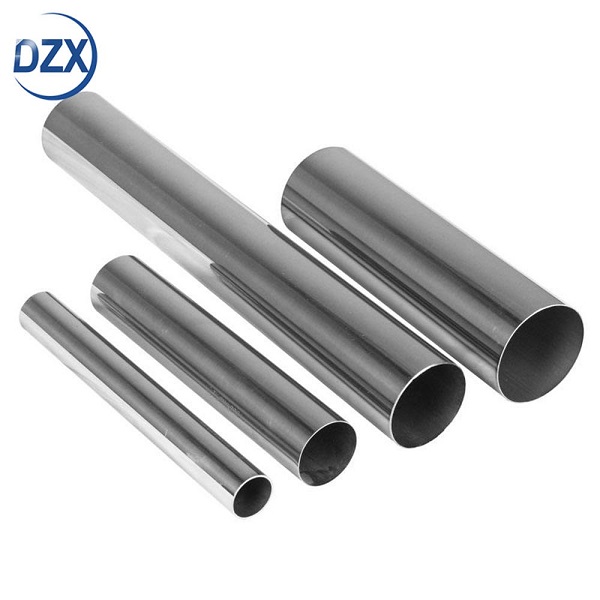
Nickel pipe and tubing are used in compatible chemical-handling systems. Caustic-processing equipment provides documented examples, including heat-transfer tubing. Selection depends on the process conditions and the required construction.
Pipe and tube descriptions should be translated into an unambiguous dimensional requirement. State the outside diameter and wall thickness, or the applicable nominal pipe size and schedule. Include the ordered length and permitted variation.
For a heat exchanger, identify the conditions on both sides of the tube. For a transfer line, provide the fluid composition and temperature, including cleaning exposure. Pressure containment must be assessed through the equipment design rather than inferred from corrosion resistance.
The enquiry should also identify the required manufacturing route, such as seamless or welded construction. If a pressure test or nondestructive examination is required, specify the method and acceptance criteria before quotation.
Pure nickel should not be selected for an aircraft fluid line on a general claim of low weight. Such a component requires the material and qualification route specified by its approved design.
Energy Applications: Different Forms Perform Different Functions
Pure nickel is used for battery electrode contacts and current conductors. These components often use strip or formed material rather than the heavier stock used for equipment fabrication. Connection geometry and the joining process influence the required thickness and mechanical condition.
Nickel 201 also has applications in electrodes for hydrogen production by electrolysis. In this setting, the purchased material may be a substrate that receives further surface treatment before use. The specification should distinguish the incoming substrate from the finished electrode.
Neither application establishes a universal current rating for a piece of nickel stock. Evaluation should address the finished assembly and its operating conditions. Trial results should remain linked to the grade and material condition used during testing.
Matching the Product Form to the Manufacturing Route
The following comparison concerns the role of the starting material. It does not replace the component drawing or establish approval for a particular installation.
| Product form | Typical fabrication role | Purchasing detail to resolve |
|---|---|---|
| Rod or bar | Stock for machined components | Machining allowance and supplied condition |
| Plate or sheet | Fabricated surfaces and prepared blanks | Usable dimensions and surface acceptance |
| Pipe or tube | Fluid passages and heat-transfer surfaces | Wall dimensions and examination requirements |
| Strip | Formed connections or electrode substrates | Edge quality and joining requirements |
Material Identity and Application Limits
Solid nickel and nickel-plated material require separate purchasing descriptions. A nickel coating does not give the underlying material the same bulk properties as commercially pure nickel. Appearance alone is insufficient to distinguish them.
Pure nickel is ferromagnetic at room temperature. A magnet response therefore does not prove that a product is nickel-plated steel, nor does it verify a pure nickel grade. Use appropriate material identification and the required chemical analysis.
Nickel 201 is the lower-carbon alternative to Nickel 200 and is generally preferred for relevant elevated-temperature applications. The operating environment and component loading still require assessment. Pure nickel is not a general substitute for nickel-base superalloys specified for highly loaded hot components.
DZX Support from Stock Form to Fabrication
DZX combines alloy-processing operations with precision cutting and CNC machining. Drawing and annealing capabilities support preparation of suitable material conditions, while chemical analysis and mechanical testing contribute to inspection.
For buyers comparing items within the Pure Nickel Series, an enquiry can identify which items are required as raw stock and which need additional preparation. The quotation should state the included operations so that the receiving fabricator can plan the remaining work.
Established raw-material supplier relationships support DZX's sourcing coordination. For distributors, separating customer-specific blanks from general stock requirements helps define the processing scope for each purchase item. Any special inspection or packaging requirement should remain attached to that item when quantities are revised.
Before requesting an offer, identify the finished part and the operations it will undergo. Submit the drawing with the required material designation, then indicate whether supplied dimensions include preparation allowance. This gives DZX a practical basis for reviewing the material and processing request together.


