


How to Properly Maintain and Care for Pure Nickel Pipes
 Oct 08, 2024|
 View:385
Pure nickel pipe maintenance begins with the service conditions and the condition of the installed system. A suitable program combines inspection with controlled cleaning, then uses the findings to plan repairs or replacement. The interval between inspections should reflect deterioration history and the consequences of a leak.
For Ni200 or Ni201 piping, retain the material identification with the line records. Record the operating medium and temperature so that maintenance personnel can assess whether changes in service may affect the material. A general description such as “corrosion-resistant pipe” provides too little information for this review.
Before opening or internally cleaning a process line, follow the site's isolation and decontamination procedure. Confirm that the section is depressurized and at a suitable temperature. Cleaning and repair activities should be carried out by personnel authorized for the equipment and service involved.
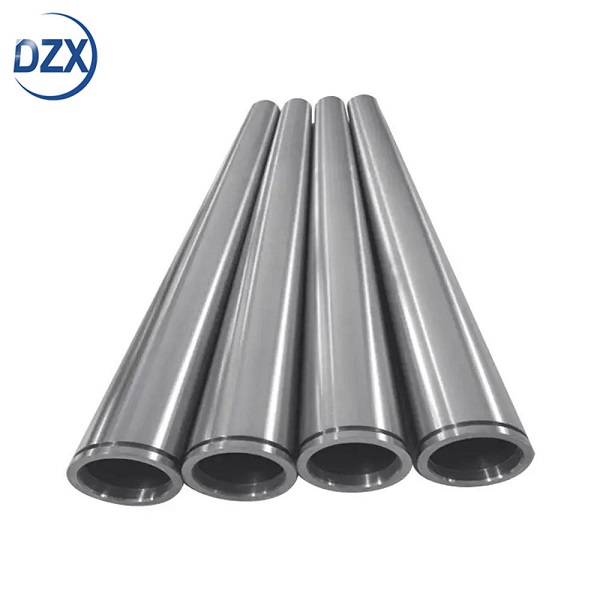
Regular Inspection and Cleaning
Inspect accessible pipe surfaces and connections for leakage or damage. Record the location of deposits and discoloration before cleaning removes evidence. Where a change is found, compare it with earlier inspection photographs and operating records.
Visual inspection alone cannot establish remaining wall thickness. The inspection plan should use suitable examination methods for the expected damage. Measurements need identifiable locations so that later results can be compared, while the coverage must also account for localized deterioration between measurement points.
Branches with little or no flow deserve specific attention. Deposits or liquid interfaces can create conditions different from those in the main line. An acceptable reading nearby does not establish the condition of the entire branch.
Select a cleaning method for the deposit being removed and the materials exposed to it. The cleaning agent must be compatible with nickel as well as the installed seals. Its concentration and contact time require control; compatibility at room temperature does not establish suitability for heated cleaning.
Use clean tools that will not gouge the surface or transfer contamination from other metals. Aggressive abrasion can remove sound material along with deposits. Chemical descaling requires a reviewed procedure rather than a general-purpose acid cleaner.
After cleaning, check that the specified cleanliness has been achieved and that residues have been removed. The rinse and drying requirements should suit the next operating condition. Document any areas that could not be accessed so they remain visible in the maintenance record.
Prevent Corrosion
Pure nickel resists caustic alkalis and various reducing environments, but its performance depends on the actual exposure. Oxidizing contaminants can change corrosion behavior. A change of cleaning chemical or process feed therefore warrants review even when the pipe itself is unchanged.
A protective coating is not a default maintenance treatment. Any coating or lining must be assessed for adhesion and compatibility with the service. It must also allow the required inspection. Covering a damaged area does not establish that the underlying pipe remains fit for use.
Protect spare pipe from contamination during storage. Keep identification legible and prevent packaging from trapping moisture against the material. Open ends should remain protected in a manner consistent with the specified bore cleanliness.
If corrosion is detected, investigate its location and likely cause before specifying replacement material. Replacing a section without addressing the exposure can allow the same damage to recur. The responsible engineer should assess the findings against the system's acceptance criteria.
Reasonable Installation and Use
Follow the approved installation details for supports and joints. Connections should fit without forcing the pipe into alignment. After maintenance, check that supports have been restored and that movement allowed by the design has not been obstructed.
Keep operation within the established pressure and temperature limits. Record excursions for review rather than treating a return to normal operation as proof that no damage occurred. Changes to the process or piping arrangement should be assessed before implementation.
Repair welding requires suitable procedures and contamination control. Nickel can be damaged during heating by certain contaminants, including sulfur-bearing residues. Surface preparation and post-repair examination should be defined before repair begins.
Where a section requires replacement, the Pure Nickel Tube category provides a starting point for material inquiries. Use the approved line specification and drawing to identify the replacement, rather than copying dimensions from a worn or distorted section alone.
Regular Maintenance and Upkeep
Plan shutdown activities around the information needed to decide whether the line can return to service. Define inspection access and any specialist examinations before the shutdown starts. This helps distinguish work that can be completed during a short outage from work requiring a longer removal or repair period.
Condition record: Keep photographs and examination results linked to the line number and inspection location.
Cleaning record: Identify the method used and any deviations from the approved procedure.
Repair record: Record replaced sections and retain the associated material documents. Include the examination results required after repair.
Return-to-service record: Confirm completion of required checks and identify who authorized the line's release.
Inspection findings should determine the next maintenance action. Suspected cracking or unacceptable wall loss requires engineering assessment. A clean appearance or absence of visible leakage is insufficient to justify continued operation.
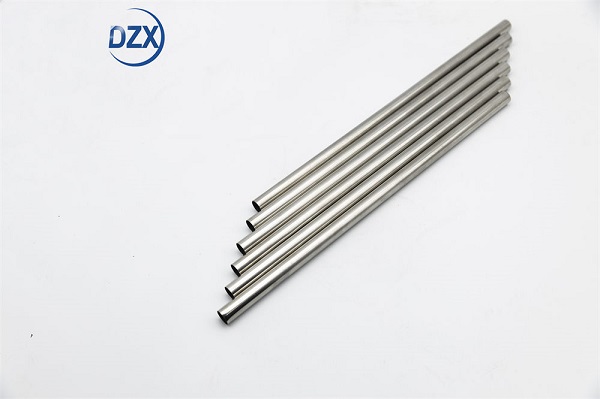
DZX supports replacement-material planning through alloy supply and precision-processing capabilities, including cutting and machining. For a planned shutdown, buyers can submit the replacement drawing for review before the outage. The agreed scope should identify which preparation operations are included in the supply.
The company's established supplier relationships and incoming material verification support coordination of replacement orders. Inspection capabilities include chemical analysis and dimensional checks. Required documents and examinations should be specified for each purchase rather than assumed from a general product description.
For maintenance stores or distributors, label reserved material by the intended line or customer order. Agree on the required arrival date with enough time for receiving inspection. This allows discrepancies to be resolved before the replacement section is needed for installation.


