


Beryllium copper alloy classification and application in industry
 Oct 16, 2024|
 View:643
Beryllium copper is a copper-based alloy used where components need mechanical strength together with electrical or thermal conductivity. Applications include electrical contacts, mold inserts and wear-resistant components. The balance of properties depends on the alloy grade and its heat-treatment condition.
For industrial purchasing, the main distinction is between high-strength and high-conductivity beryllium copper. C17200 belongs to the high-strength group. C17500 and C17510 belong to the high-conductivity group, but have different alloy compositions and should be identified separately on purchase orders.
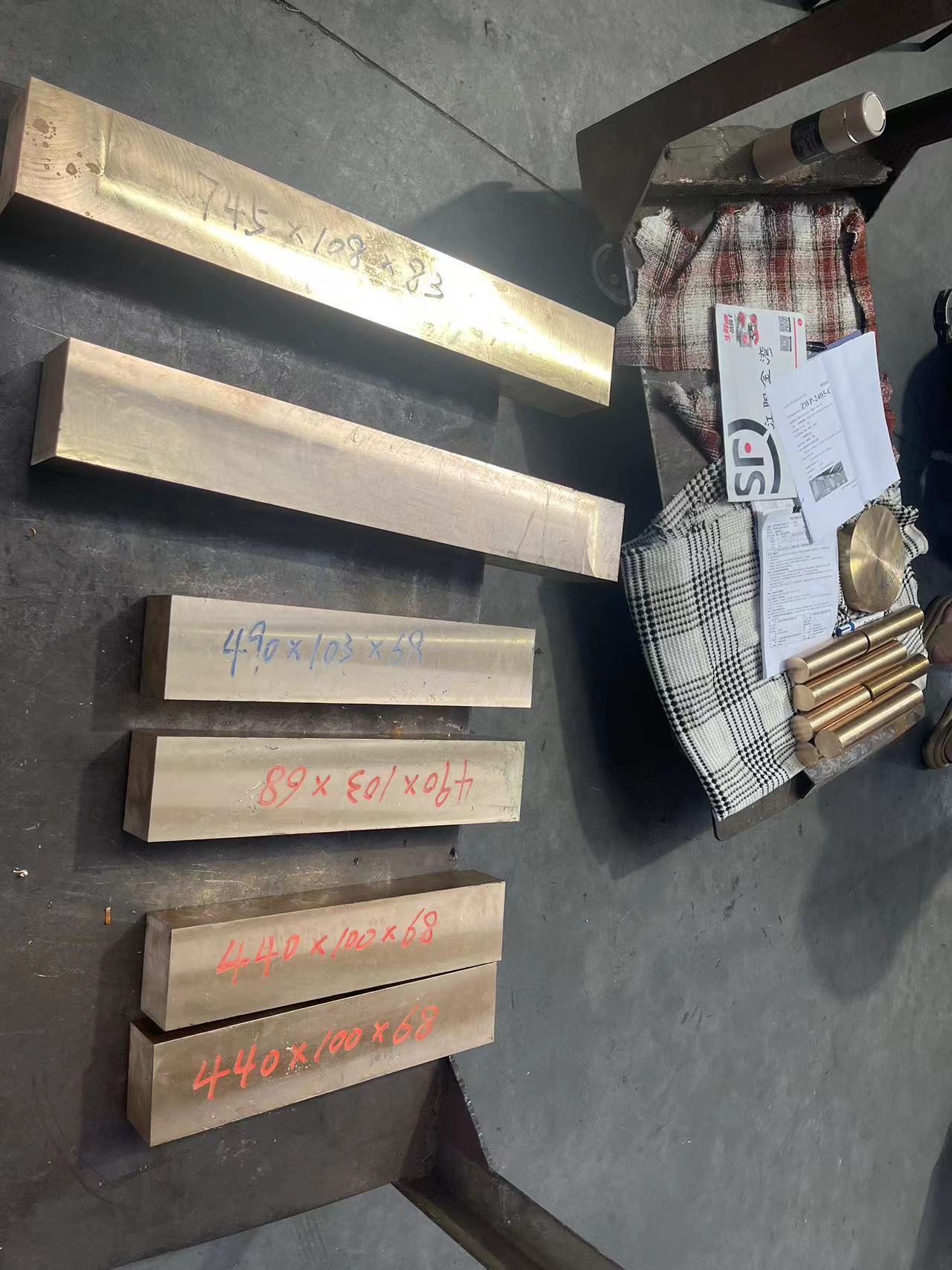
C17200, commonly associated with the designation CuBe2, develops high strength and hardness through precipitation hardening. It is used for spring contacts and mechanically loaded components where resistance to permanent deformation matters. Its electrical conductivity is lower than that of the high-conductivity grades.
The required forming sequence affects material selection. Parts with substantial bends may need a condition suitable for forming followed by age hardening. Mill-hardened strip is another option where the selected temper provides sufficient formability. A drawing that specifies only C17200 leaves the delivery condition unresolved.
C17500 is a copper-cobalt-beryllium alloy, while C17510 is a copper-nickel-beryllium alloy. Both offer higher electrical and thermal conductivity than the high-strength group, with a different strength balance. They are considered for applications where current carrying or heat removal is a major selection factor.
C17500 and C17510 are separate UNS grades. A supplier substitution requires review against the specified composition and properties. A general description such as “high-conductivity beryllium copper” does not establish interchangeability.
Published property values should be checked against the relevant product form and temper. Values for aged bar cannot automatically be used as acceptance limits for strip supplied for subsequent forming.
Beryllium copper is used in connector contacts and relay springs. High-strength grades suit contacts that must retain spring force through repeated movement. Higher-conductivity grades may be preferred when electrical losses and temperature rise have greater influence on the design.
Current capacity depends on the finished contact geometry and connection resistance as well as the material. For stamped strip, specify thickness tolerance and the intended bend direction. Plating requirements should be agreed separately from the base alloy specification.
Beryllium copper mold alloys are used for inserts and cores where heat removal limits molding performance. Their thermal conductivity can help reduce local hot spots. The effect on cycle time depends on cooling-channel layout and the molding process.
Tooling orders should define the supplied hardness and machining allowance. Confirm the specific mold alloy rather than selecting material solely from the description “beryllium copper.” Machining and grinding also require controls for beryllium-containing dust, following the supplier's safety data sheet and applicable workplace procedures.
Aerospace uses include bushings and bearings where strength and wear behavior are relevant. Selection must follow the component drawing and its material approval requirements. The purchase specification should identify the governing standard and any required processing records.
Automotive connectors use copper alloys to combine electrical conduction with contact force. For beryllium copper spring contacts, material evaluation should consider the operating temperature and the required retention of contact force over time. Strip temper must also suit the intended stamping and forming operations.
High-strength beryllium copper is used in selected drilling-equipment components. Material approval depends on the component's loading and service environment. Where magnetic behavior is a design requirement, specify the acceptance criterion rather than relying on a general material description.
Beryllium copper can be used for connector contacts in medical equipment. This application concerns electrical and spring performance. Suitability for patient-contact components or use near MRI systems requires a separate device-specific assessment; alloy selection alone does not establish that approval.
DZX's Beryllium Copper Series includes bar and strip products. The company's broader manufacturing resources include precision cutting and CNC machining. Its published quality-control workflow covers incoming material verification and mechanical testing, supported by established raw-material supplier relationships.
For a beryllium copper inquiry, send the drawing and required material condition so that stock selection and processing scope can be reviewed together. Confirm which operations are included in the quotation and which remain with the component manufacturer. This is particularly important when forming is followed by aging.
A purchase specification should define the delivered condition and the final acceptance requirements. Include the following information:
UNS grade and governing material standard, including the required revision.
Product form, dimensions and tolerances, with machining allowance where applicable.
Delivery temper and responsibility for subsequent heat treatment.
Required mechanical properties and conductivity limits, identifying when they are to be verified.
Order quantity, packaging requirements and requested delivery schedule.
Material certificate requirements and batch identification needed for traceability.
For repeat orders, retain the approved material specification and drawing revision with the purchasing record. Any proposed change of grade or temper should be reviewed before supply, particularly where the material will enter an established forming or heat-treatment process.

