


Pure Nickel Rods: Industrial Applications and Grade Selection
 Nov 07, 2024|
 View:582
Pure nickel rods provide solid stock for industrial components that require a combination of corrosion resistance and electrical conductivity. Their usefulness depends on the operating environment and the finished part's function. For a machined component, the material grade and delivery condition must also suit the production route.
Material selection begins with the reason nickel is needed at the working surface. A chemical-contact part, an electrical connection and a mechanically loaded component place different demands on the same rod stock.
1. Definition and Characteristics
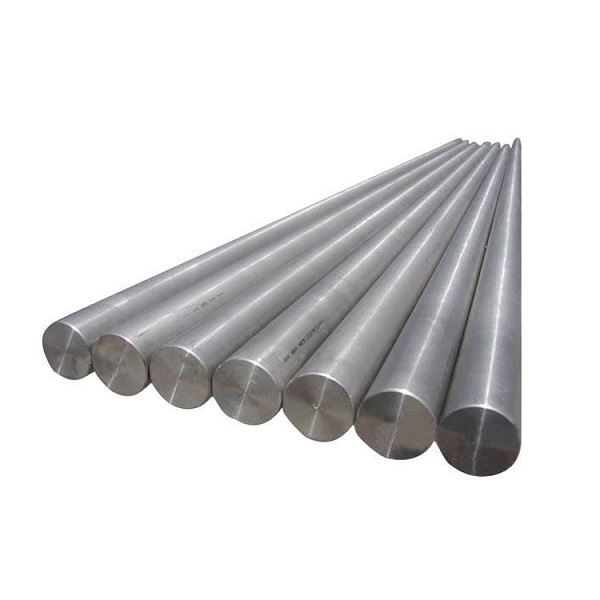
A pure nickel rod is solid round stock made from commercially pure nickel. Common industrial grades include Nickel 200, UNS N02200, and Nickel 201, UNS N02201. “Pure nickel” is a material category; the purchase specification must identify the grade and permitted impurities.
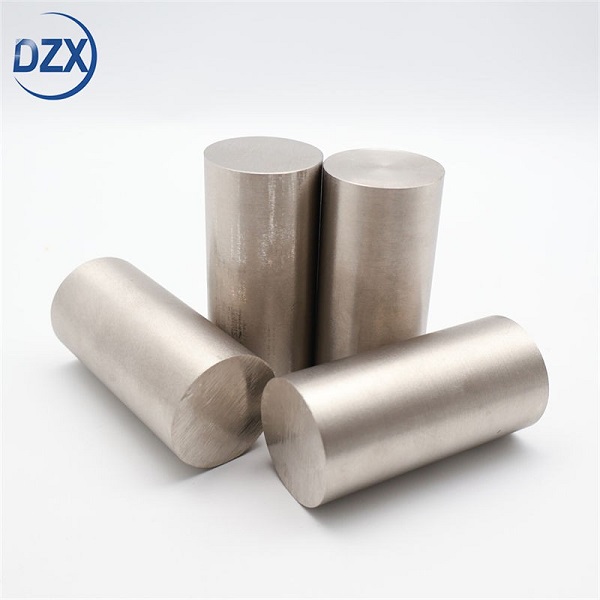
DZX's Pure Nickel Bar category covers rod and bar inquiries. Buyers should distinguish the purchased stock dimensions from the finished component dimensions, allowing for cutting and machining.
Material Condition
Annealed nickel is ductile, while cold working increases strength. This difference affects the choice of stock for forming or machining. A bright surface alone does not identify the mechanical condition.
Grade Selection
Nickel 201 is the lower-carbon grade. It is generally preferred over Nickel 200 for exposure above approximately 315°C because Nickel 200 can suffer graphitization. This distinction does not establish a universal operating temperature for a finished component.
| Grade | UNS | Purchasing Focus |
|---|---|---|
| Nickel 200 | N02200 | Confirm service temperature and the required delivery condition. |
| Nickel 201 | N02201 | Verify low-carbon grade certification where the application requires it. |
2. Applications in Chemical, Aerospace and Electronic Equipment
Chemical Processing
Commercially pure nickel has established resistance to caustic alkalies and selected reducing chemicals. For a rod-machined process component, suitability must be checked against the actual solution and temperature. Acid service requires particular attention to aeration and oxidizing contaminants.
The inquiry should identify which surfaces contact the process fluid. Include cleaning conditions if they differ from normal operation. Where a small machined part is being replaced after corrosion damage, supply the failure location and service history so that material selection addresses the cause.
Rod stock is appropriate when the component drawing calls for a solid blank. Vessel shells and heat-exchanger tubes require their respective product forms. The purchasing description should follow the part being manufactured.
Aerospace Applications
Aerospace use requires a drawing-specific material approval. Pure nickel should not be selected for a turbine blade or another highly loaded hot-section component merely because nickel-based superalloys are used in those locations.
For a component specifying commercially pure nickel, confirm the required grade and approved processing route before ordering. Any proposed substitution needs the customer's engineering review. The material certificate should identify the supplied heat and its test results.
Electrical and Electronic Equipment
Commercially pure nickel has higher electrical and thermal conductivity than many nickel alloys. Its use in electronic components reflects a balance of properties rather than conductivity alone.
For a rod-machined electrical part, specify the contact geometry and the operating current. The designer should assess temperature rise in the completed connection, including the contact interface. If resistance is an acceptance requirement, define the test method and measurement temperature.
Rod purchasing should also identify any surface treatment required after machining. Contact areas, threaded sections and joining surfaces may need different finishing operations, which should be shown on the drawing.
3. Corrosion Resistance and Conductivity in Component Design
Match the Material to the Exposure
A service description must be more specific than “corrosive environment.” Include fluid composition and normal temperature, together with conditions during shutdown. For parts near a liquid level or beneath deposits, the local exposure may differ from the bulk fluid.
Seawater performance also depends on flow and deposits. Stagnant conditions can produce localized attack. A marine application therefore needs a component-level corrosion assessment rather than a general promise of seawater resistance.
Specify the Finished Function
Where the part carries current, provide the required electrical performance alongside the mechanical drawing. Where it transfers heat, define the operating temperatures and mating surfaces. These requirements help establish whether the selected material and geometry meet the equipment's needs.
High purity does not automatically provide adequate load capacity. The drawing should state the required mechanical properties in the delivered or finished condition. If the part will be bent, welded or heat treated, identify the stage at which those properties must be verified.
Account for Machining and Material Yield
Choose stock diameter from the largest finished section plus the necessary allowance. Excess stock increases removal time and scrap, while insufficient allowance can leave an unfinished surface. Straightness also matters when long rods are fed through a machine or used for slender components.
For repeat production, define the stock condition used during process approval. A change in hardness or surface condition can affect an established machining setup even when the grade designation remains the same.
DZX Manufacturing and Supply Support
DZX combines alloy supply with precision cutting and CNC machining capabilities. Its published quality-control workflow includes incoming material verification and mechanical testing. Established raw-material supplier relationships support sourcing across its alloy range.
For pure nickel rod orders, buyers can submit the finished-part drawing with the stock requirement so that cutting and further processing can be reviewed together. The quotation should identify the supplied condition and the operations included. Availability and delivery timing should be confirmed for the requested dimensions.
A purchasing specification should connect the rod stock to its intended use. Include:
Grade, UNS designation and governing material specification.
Rod diameter and length, with tolerances and machining allowance.
Delivery condition and required mechanical properties.
Surface condition, straightness and cut-end requirements.
Any electrical or additional inspection requirements, with acceptance criteria.
Material certificates and heat identification for cut pieces.
Quantity, packaging instructions and requested delivery schedule.
Distributors ordering several sizes should keep each size linked to its grade and customer specification. For cut blanks, agree how identification will be maintained after cutting so that the receiving workshop can match the material to its certificate.


