As the global construction industry continues to demand safer, more sustainable building materials, aluminum foam has emerged as a groundbreaking solution. With its unique cellular structure and excellent thermal properties, aluminum foam is revolutionizing fire safety strategies in both residential and commercial construction.
What Is Aluminum Foam?
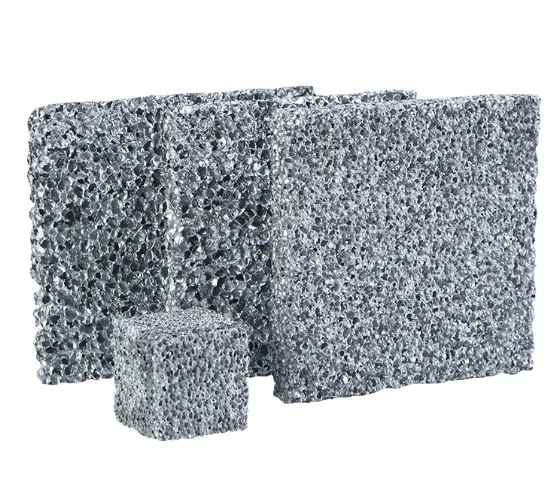
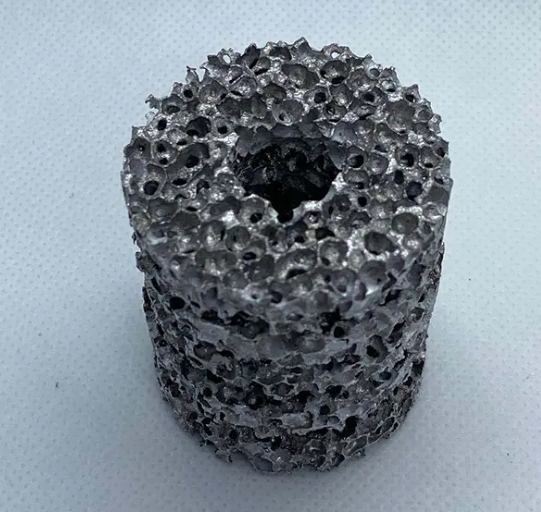
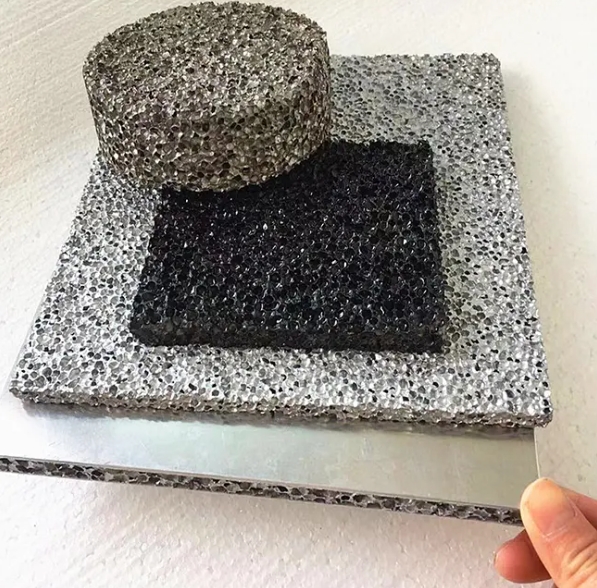
Aluminum foam is a lightweight, porous material produced by injecting gas into molten aluminum or through a powder metallurgy process. The result is a material that combines the strength and durability of metal with the low density and shock absorption of foam. Its structure offers exceptional performance in terms of:
Heat resistance
Fire insulation
Sound absorption
Structural integrity
These qualities make it ideal for passive fire protection applications, where containing or slowing the spread of fire is critical.
Applications in Construction
1. Wall Cladding and Facades
Aluminum foam panels are used in exterior cladding systems. Not only are they non-combustible, but they also prevent fire from penetrating building envelopes, reducing the risk of structural damage and smoke infiltration.
2. Fire Barriers and Partition Walls
In high-density residential and commercial spaces, aluminum foam can be used as a core material in partition walls. It adds a layer of fire protection while maintaining a lightweight and easy-to-install profile.
3. Ceiling and Floor Systems
In commercial buildings like shopping malls, airports, and offices, aluminum foam can be integrated into ceiling or flooring systems to slow down vertical fire spread and enhance occupant safety.
4. HVAC and Cable Protection
Due to its thermal insulation and flame-retardant properties, aluminum foam is often used to protect HVAC systems, electrical cable trays, and other infrastructure from heat and fire damage.
Products Description

Aperture | 0.3mm-7mm(can customized) |
Porosity | 63%-90% |
The MAX Sound Absorption Coefficient | ≥0.8 |
Bulk density | 0.27-1.08 g/cm3 |
size | Customized |
Meeting Evolving Industry Demands
With building codes becoming stricter worldwide, developers and architects are under pressure to meet or exceed fire safety standards. Aluminum foam addresses key industry requirements:
Non-combustibility (A1-rated under EN 13501-1)
No toxic gas emission during fire exposure
Thermal insulation and temperature resistance up to 1200°C
Sustainability – 100% recyclable and energy-efficient in production
Design flexibility – available in panels, blocks, or custom shapes
These features make it an ideal choice for modern green buildings, helping projects achieve certifications like LEED, BREEAM, or WELL.
User Needs and Benefits
Architects and Designers:
Appreciate aluminum foam for its aesthetic versatility, including textured surfaces and customizable finishes, without compromising safety.
Contractors and Builders:
Value the ease of installation, low weight, and structural strength, especially in prefabricated or modular construction.
Property Owners and Developers:
Are drawn to the long-term fire protection, reduced insurance premiums, and enhanced occupant safety that aluminum foam delivers.


