In modern construction and architectural design, safety and sustainability are just as important as aesthetics. One innovation leading the way in fire safety and energy-efficient building design is the fire-resistant aluminum foam panel — a cutting-edge material designed specifically for building cladding systems.
Products Description

Aperture | 0.3mm-7mm(can customized) |
Porosity | 63%-90% |
The MAX Sound Absorption Coefficient | ≥0.8 |
Bulk density | 0.27-1.08 g/cm3 |
size | Customized |
What Is Fire-Resistant Aluminum Foam?
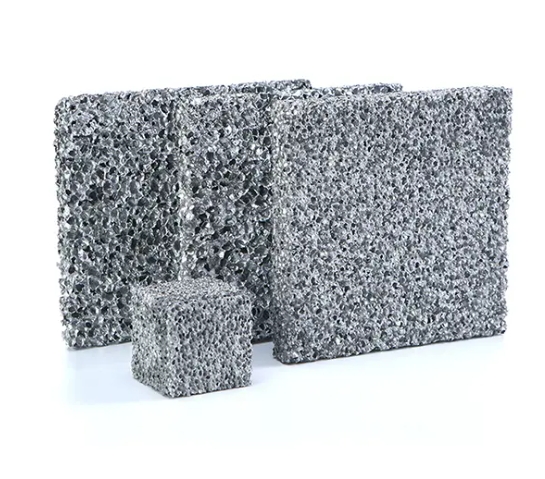
Aluminum foam is a porous, lightweight metal structure created by introducing gas or foaming agents into molten aluminum. The result is a rigid panel with a cellular structure that provides excellent strength-to-weight ratio, thermal insulation, sound absorption, and most importantly, fire resistance.
Unlike traditional cladding materials such as plastic composites or untreated metals, aluminum foam panels do not combust, melt, or release toxic gases under high heat. These qualities make them an ideal choice for fire-safe architecture.
Applications in Building Cladding Systems
Fire-resistant aluminum foam panels are gaining widespread use in both commercial and residential construction, especially in projects where fire performance and design flexibility are crucial. Common applications include:
High-Rise Building Facades
Providing external cladding that complies with fire safety codes while delivering a sleek, metallic aesthetic.
Public Infrastructure
Used in train stations, airports, and stadiums for walls and ceilings that combine durability with passive fire protection.
Industrial Facilities
Suitable for cladding refineries, chemical plants, or power stations where fire risks are higher.
Ventilated Facades and Rain Screens
Ideal for double-skin systems that require breathable, thermally efficient outer layers.
Key Benefits for Builders and Architects
Excellent Fire Resistance
Aluminum foam has a melting point above 600°C, and its porous structure slows down the spread of flames, meeting rigorous fire safety regulations (such as EN 13501 or ASTM E119).
Lightweight Yet Strong
Easier to handle and install than solid metal panels, it reduces structural load without compromising strength.
Aesthetic Appeal
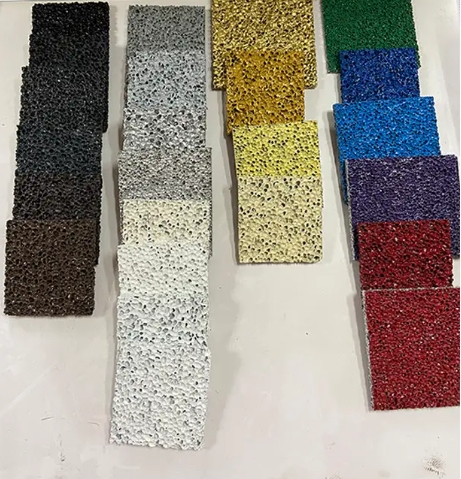
Available in raw metallic, brushed, or coated finishes, aluminum foam cladding offers a modern, high-tech look that complements a variety of designs.
Thermal and Acoustic Insulation
Its internal structure offers natural insulation properties, helping to regulate indoor temperatures and absorb sound — ideal for urban environments.
Corrosion and Weather Resistance
Resistant to oxidation and moisture, it performs well in harsh climates and requires minimal maintenance.
Meeting User and Market Demands
With increasing attention to building fire safety, especially after high-profile incidents, regulatory bodies and consumers are demanding:
Non-combustible building envelopes
Sustainable and recyclable materials
Energy-efficient, low-maintenance systems
Designs that don’t compromise on safety or style
Fire-resistant aluminum foam panels directly meet these demands, making them a smart choice for forward-thinking developers, architects, and contractors.
Industry Trends and Outlook
The construction industry is shifting toward performance-based design, focusing not just on how materials look or cost, but how they perform under real-world stress — such as fire, impact, and weather. As green building standards such as LEED and BREEAM evolve, materials like aluminum foam are becoming increasingly relevant.
In addition, governments across the globe are updating fire safety codes, particularly for high-rise and public-use buildings, boosting the demand for compliant materials like aluminum foam panels.