


Nickel Bar: Properties, Processing and Industrial Uses
 Jul 12, 2024|
 View:649
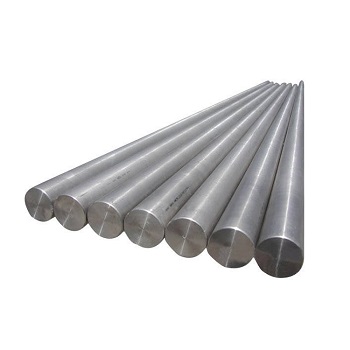
Nickel bar provides solid stock for machined components used in chemical processing and electrical equipment. Its performance depends on the specified grade and delivery condition. For buyers, bar diameter and surface condition also influence how much material must be removed before a finished component meets its drawing.
I. Introduction to Nickel Bar
Commercially pure nickel bar includes Nickel 200 (UNS N02200) and Nickel 201 (UNS N02201). These materials differ from nickel-based alloys formulated with substantial additions of chromium or other elements. The grade designation should therefore appear on the purchase order, rather than the general description “nickel bar” alone.
DZX supplies Pure Nickel Bar for industrial processing. Selection begins with the component drawing and service conditions. For wrought Nickel 200 and Nickel 201 rod or bar, ASTM B160 is a relevant material specification; the applicable edition and any additional requirements should be stated in the order.
II. Properties of Nickel Bar
Corrosion resistance: Commercially pure nickel is used in caustic alkali service and various reducing chemical environments. Suitability depends on the actual medium and operating temperature, including contaminants that may change corrosion behavior.
Thermal and electrical conductivity: Compared with many nickel-based alloys, commercially pure nickel offers higher conductivity. Component dimensions and connection design still determine the performance of an electrical conductor or heat-transfer part.
Mechanical behavior: Annealed nickel has good ductility and relatively low hardness. Cold processing changes its strength and forming behavior. Mechanical acceptance values must match the ordered condition, rather than a generic value taken from a material overview.
III. Production Process of Nickel Bar
Melting: The charge is controlled to meet the selected grade's chemical limits. Commercially pure nickel production requires control of residual elements as well as nickel content.
Casting: Molten material is cast into stock for subsequent processing. A cast starting shape and a finished wrought bar represent different stages of manufacture.
Hot and cold processing: Depending on the required dimensions, the production route may include hot forming followed by cold finishing. The buyer should specify the final condition without assuming that every bar follows an identical sequence.
Annealing: Heat treatment can restore ductility after deformation. The required condition should be agreed before production, particularly when the bar will undergo further forming or machining.
Quality control: Inspection should cover chemical conformity and the dimensional requirements of the order. Mechanical testing and any additional examinations need defined acceptance criteria.
During machining, nickel can harden locally beneath the cutting tool. Tool rubbing or repeated shallow cuts can make subsequent passes more difficult. Suitable cutting engagement and cooling help maintain a stable process. Cutting parameters should be established for the actual machine and tooling, preferably through a trial using the intended bar condition.
IV. Applications of Nickel Bar
Chemical equipment components: Solid bar can provide machining stock for parts exposed to compatible process media. Material selection must account for the fluid composition, while the drawing determines the required section and machining allowance.
Electrical components: Nickel bar may be processed into contact parts or current-carrying components where its conductivity and chemical resistance suit the design. The required contact finish should be distinguished from the surface finish of the incoming stock.
Replacement parts: Maintenance procurement may involve a small quantity of bar for an existing component. The original grade and service history should be checked before accepting a substitute based only on dimensions.
Prototype components: Trial production can establish whether the selected stock condition provides acceptable machining behavior. Record tool wear and finished-part dimensions before committing to a larger batch.
V. Purchasing Demand and Material Cost
The nickel content contributes to the material price, but a finished-bar quotation also reflects processing and the order specification. A tighter diameter tolerance or additional surface finishing may change the quoted cost. Comparing offers requires an equivalent delivery condition and inspection scope.
Cost per accepted component is a useful purchasing measure when substantial machining is involved. An oversized bar may have an attractive price per kilogram while requiring more cutting time and producing more scrap. A closer starting size can reduce material removal, provided sufficient allowance remains to clean up the surface and achieve the drawing dimensions.
For cut blanks, include saw loss and end trimming in the quantity calculation. For full lengths, check usable length against the cutting plan, including the material held by the machine chuck.
VI. Challenges and Solutions
Diameter and straightness: A nominal diameter alone does not define suitability for bar-fed machining. State the diameter tolerance and straightness requirement in measurable terms, using the machine's feeding limits where applicable.
Surface allowance: A bright appearance does not establish a guaranteed surface roughness or defect depth. Define whether the supplied surface will remain on the component or be removed during machining.
Material identification: Receiving records should connect the delivered material to its test certificate. If bars are cut into smaller blanks, preserve identification through the cutting and storage stages.
Inspection scope: Additional testing can affect both cost and scheduling. Specify the test method and acceptance criteria before the order is released, especially when the finished component has project-specific requirements.
VII. Planning Repeat Nickel Bar Orders
Repeat production benefits from a controlled purchasing specification. Once a trial batch is accepted, record the stock dimensions and delivery condition alongside the drawing revision. Any proposed change to the supply specification should be reviewed before the next batch enters machining.
Separate the forecast quantity from the quantity required for each release. This gives the supplier a basis for discussing material preparation and shipment scheduling without treating the entire forecast as an immediate order.
Packaging instructions should reflect how the bars will be received and stored. Where surface damage could consume the machining allowance, specify protection between pieces. Package labels should allow receiving staff to identify the material without opening every bundle.
VIII. DZX Processing and Supply Support
DZX combines alloy production with precision-processing capabilities, including cutting and CNC milling or drilling. For nickel bar projects, this provides a basis for discussing whether full lengths or prepared blanks better suit the buyer's production route. The available processing scope should be agreed against the component drawing.
The company's supply management includes established raw-material supplier relationships and incoming material verification. Its inspection capabilities cover chemical analysis and mechanical testing, supported by dimensional and visual checks. These capabilities help coordinate material procurement with downstream processing requirements.
For a quotation, provide the material specification and a drawing showing the required stock dimensions. State the quantity per release and identify any acceptance requirements beyond the material standard. Distinguish supplied-stock dimensions from finished-part dimensions so that the quotation includes the intended machining allowance.


