


Application Fields of Pure Nickel
 Jul 01, 2024|
 View:661
I. Introduction
Pure nickel is used in electrical components, battery connections and chemical-processing equipment. Selected grades also serve as electrodes in hydrogen production. These applications use different product forms and require different acceptance criteria.
Commercially pure nickel is supplied to defined grade requirements. Buyers should identify the component's function before selecting material from the DZX Pure Nickel Series. A wire used for an electrical connection and a plate used in chemical equipment need separate purchasing specifications.
II. Material Characteristics That Support These Uses
Commercially pure nickel combines electrical and thermal conductivity with resistance to selected corrosive environments. Annealed material is ductile and can be formed into components. Cold working changes its mechanical properties.
Temperature suitability depends on the grade. Ni201 is the low-carbon alternative to Ni200 and is generally preferred for elevated-temperature exposure where commercially pure nickel is appropriate. The component design must still address the operating environment and applied load.
Match the material condition to the next manufacturing operation. A purchasing description should establish whether the stock will be bent or machined, and whether subsequent heat treatment is planned.
III. Electrical and Electronic Components
Wire and Formed Connections
Nickel is used in electrical and electronic parts where its combination of properties suits the assembly. Fine-wire selection must follow the component design. Diameter alone does not establish suitability for a connection or a particular current.
For automated wire processing, specify diameter tolerance and the required mechanical condition. Include spool dimensions and any restrictions on joints within a supplied length. A production trial should use the intended feeding and joining equipment.
Battery Contacts and Connecting Strip
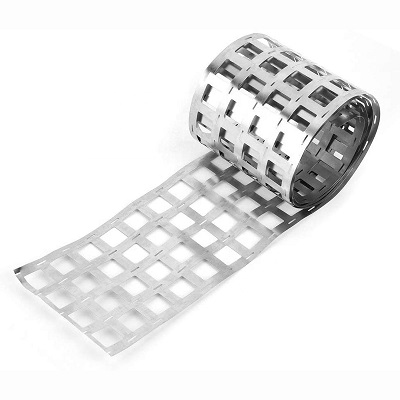
Pure nickel is used for electrode contacts and current conductors in batteries. The connection geometry and joining process determine the material requirements. Buyers considering DZX Pure Nickel Strip should specify thickness and width, together with the required edge condition.
For a punched connection, provide the hole pattern and dimensional tolerances. Establish the acceptance criteria for burrs and surface contamination before production. Electrical resistance and temperature rise should be evaluated on the assembled connection.
Identify whether the drawing requires solid nickel or a coated material. These descriptions should remain distinct in quotations and incoming inspection records.
IV. Chemical-Processing Equipment
Commercially pure nickel is used in caustic-soda processing and selected chemical-handling equipment. Resistance to reducing media is useful in these applications, but the actual fluid composition and temperature determine suitability.
For fabricated equipment, plate or sheet may be required for the component geometry, while tubing serves a different manufacturing route. Specify the material form and the associated inspection requirements at the inquiry stage.
A chemical-service inquiry should include the normal process conditions and cleaning exposure. Where operating experience is available, provide the existing material designation and any observed corrosion. This information helps the technical review address the intended equipment rather than a general industry label.
Nickel-based catalysts are a separate product category. Catalyst activity depends on its formulation and prepared surface; a standard nickel wire or plate specification does not define catalyst performance.
V. Temperature-Exposed and Specialist Components
Pure nickel has documented uses in specialist electronic and aerospace components. These applications require a specified grade and an approved component design. Nickel-base superalloys used for highly loaded hot sections have different compositions and qualification requirements.
For a temperature-exposed part, include exposure duration in the specification review. Identify any atmosphere or contamination that the material encounters during heating. Material strength at room temperature is insufficient to establish performance in prolonged hot service.
Where a drawing already defines the material, submit its revision with the inquiry. Any proposed alternative needs approval before the supplier schedules production.
VI. Electrodes for Hydrogen Production
Commercially pure nickel has established application as an electrode material for hydrogen production by electrolysis. Its suitability depends on the electrolyte and the electrode design.
For an electrode-development order, define whether the supplied nickel is the final electrode or a substrate for further treatment. Specify the exposed area and surface preparation requirements. Where a coating is applied later, its preparation process should be considered when setting the incoming surface specification.
Testing should evaluate the finished electrode under the intended operating conditions. Results from a small specimen should be reviewed before changing the dimensions or production process.
VII. Research Samples and Product Development
Nickel stock can be supplied for laboratory specimens and prototype components. For these orders, consistency between the trial material and later production material deserves attention.
Record the grade and delivery condition used during testing. Retain the material certificate with the trial results, and note any surface preparation performed before evaluation. A change in thickness or temper should be identified when ordering the next batch.
For customers developing several geometries, separate each item on the inquiry. State whether dimensional inspection is required before shipment so that unusable specimens can be identified before the trial begins.
VIII. DZX Manufacturing and Supply Support
DZX operates alloy-processing facilities with melting and wire drawing capabilities. Its published operations also include rolling and annealing, supported by precision processing. Wire cleaning and winding provide further control over the condition supplied to downstream customers.
For an application-based inquiry, the DZX technical team can review dimensions alongside the intended fabrication process. This helps establish which characteristics need to be controlled before the customer begins forming or joining the material.
DZX describes long-term raw-material supplier relationships and incoming checks supported by material certificates. Chemical analysis and mechanical testing are included in its inspection capabilities. Buyers should agree on the required inspection results and package identification when placing the order.
For distributors serving several manufacturers, organize demand by approved grade and product form. Provide a release schedule for recurring items so that material preparation and processing can be reviewed together. Availability and dispatch dates should be stated for each accepted order.
IX. Preparing an Application-Based Purchase Specification
Define the function of the purchased material before requesting a quotation. Include the following information:
Application: Describe the component and its role in the assembly.
Grade: State the material designation and applicable specification.
Product form: Identify wire, strip or the required stock form.
Dimensions: Provide the drawing and tolerances.
Delivery condition: Specify mechanical-property and surface requirements.
Further processing: Describe forming, joining or other planned operations.
Acceptance: Identify the required inspection documents and tests.
Supply: State the quantity and requested delivery schedule.
For repeat production, attach the approved specification to each release. If a trial leads to changes in material condition or dimensions, record those changes before placing the production order. Package identification should allow the receiving team to match each item to its documentation.

