


What Are the Key Benefits of Using Inconel Strips in Chemical Processing
 Oct 25, 2024|
 View:376
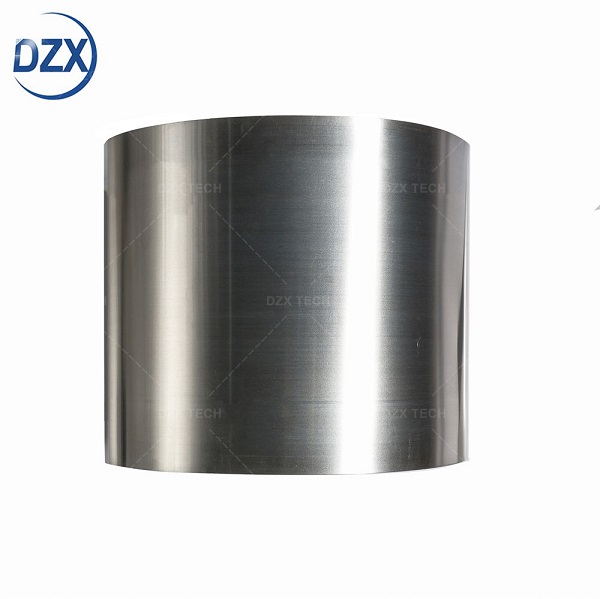
Inconel strips can provide corrosion resistance and heat resistance for components used in chemical processing. Supplied as flat rolled material, they can be formed into parts such as bellows and sealing elements. Their value depends on matching the alloy grade to the process environment and supplying strip that suits the fabrication method.
For buyers, the benefits are grade-specific. Inconel 625 is often considered for corrosive process service, while Inconel 601 is particularly associated with high-temperature oxidation resistance. Inconel 600 serves selected chemical and thermal applications. These grades should be evaluated separately.
Corrosion Resistance Characteristics
Inconel is a family of nickel-based alloys with different alloying additions. Chromium contributes to protective surface-film formation, while other elements change resistance to particular environments. In alloy 625, molybdenum contributes to resistance against localized corrosion. The family name alone does not establish performance in a process fluid.
Selection requires the chemical composition of the medium and its concentration, together with the operating temperature. Contamination and cleaning cycles can change the exposure. A material suitable for one acid concentration may perform differently when the solution becomes hotter or more concentrated.
| Grade | Relevant Benefit | Selection Consideration |
|---|---|---|
| Inconel 600 UNS N06600 | Combined heat resistance and resistance to selected chemical environments. | Check compatibility with the actual process medium. Do not specify it as a general-purpose hydrochloric acid alloy. |
| Inconel 601 UNS N06601 | High-temperature oxidation resistance, supported by its chromium and aluminum content. | Assess the furnace or process atmosphere. Oxidation resistance does not establish suitability for every liquid chemical. |
| Inconel 625 UNS N06625 | Resistance to a range of corrosive environments, including resistance to pitting and crevice corrosion. | Review localized corrosion risks under the actual operating conditions, including deposits and crevices. |
A published oxidation temperature is not a universal operating limit for chemical equipment. Wet corrosion, mechanical loading and the condition of welded joints require their own assessment. Where service data are insufficient, representative corrosion testing can help establish whether the proposed grade is suitable.
Application Examples
Bellows and Flexible Sealing Components
Alloy 625 has established uses in bellows and seals. When these components are manufactured from strip, thickness consistency and the supplied condition affect forming. Surface defects also matter because the material may undergo substantial deformation before entering service.
A bellows inquiry should identify the forming route and required material properties. The component manufacturer must determine the allowable movement and fatigue life from the finished design. These values cannot be inferred from the strip grade alone.
Formed Parts for Thermal Processing Equipment
Alloy 601 is used in thermal-processing equipment because of its oxidation resistance. Strip can be considered for narrow formed parts within an approved equipment design. Selection must account for the atmosphere and the load carried at temperature, particularly during repeated heating and cooling.
For bent or stamped parts, specify the delivery condition and any required forming trials. Excessive hardness or an unsuitable edge can cause fabrication problems even when the chemical composition meets the grade specification.
Fabricated Chemical Equipment Parts
Nickel alloys are used in chemical vessels and heat exchangers, but the required material form depends on the component. Strip is appropriate where the drawing calls for narrow flat stock or a component formed from it. Vessel shells and larger lining panels may require sheet or plate.
Where strip is formed and welded into a component, the purchase order should identify the applicable material specification. Welding procedure requirements and final component inspection must be addressed by the fabricator.
Cost-Benefit Analysis
Inconel strip generally carries a higher material cost than common stainless steels. A financial benefit is possible when the selected alloy addresses a documented failure mechanism or extends the service interval. The comparison should include replacement labor and the cost of a shutdown, alongside the purchased material.
Cost per accepted component is a useful measure for strip procurement. A lower price per kilogram may be offset by excessive trimming or forming rejects. Width selection affects material yield, while coil size and packaging influence handling on the production line.
Compare quotations against the same grade and delivery condition. Include the required inspection documents and processing scope in the comparison. Where an existing material already meets the service requirement, changing to a higher-cost nickel alloy needs a clear operational justification.
Equipment Integrity and Inspection
A suitable alloy can reduce corrosion-related deterioration. Safe operation also depends on equipment design and fabrication quality. Pressure rating belongs to the completed assembly and its governing design requirements.
For thin components, localized damage deserves particular attention. Incoming inspection should address the specified surface condition and dimensions. Any additional corrosion or weld-related testing should be agreed before ordering, with defined acceptance criteria.
DZX Supply Support for Chemical-Processing Buyers
DZX supplies Inconel Strip in rolled and slit forms for fabrication. Its wider manufacturing resources include annealing and precision processing, supported by raw-material supplier relationships. Published quality-control activities include chemical analysis and mechanical testing.
For equipment manufacturers and distributors, this combination supports inquiries covering material selection and downstream processing. The quotation should identify the operations included for the specific grade and dimensions. Processing availability and delivery timing should be confirmed against the order requirements.
Send a strip-specific inquiry with the following details:
Alloy grade, UNS designation and required material standard.
Nominal thickness and width, with tolerances for each dimension.
Delivery condition and required mechanical properties.
Edge condition, permissible burr and surface-finish requirements.
Coil inside diameter, maximum coil weight and any restrictions on welds or splices.
Heat traceability and material test certificate requirements.
Quantity, requested delivery date and packaging instructions.
If grade selection is still open, include the process-fluid composition and temperature range, together with the component drawing. For repeat distributor orders, retain the approved specification so that proposed material or processing changes can be reviewed before shipment.


