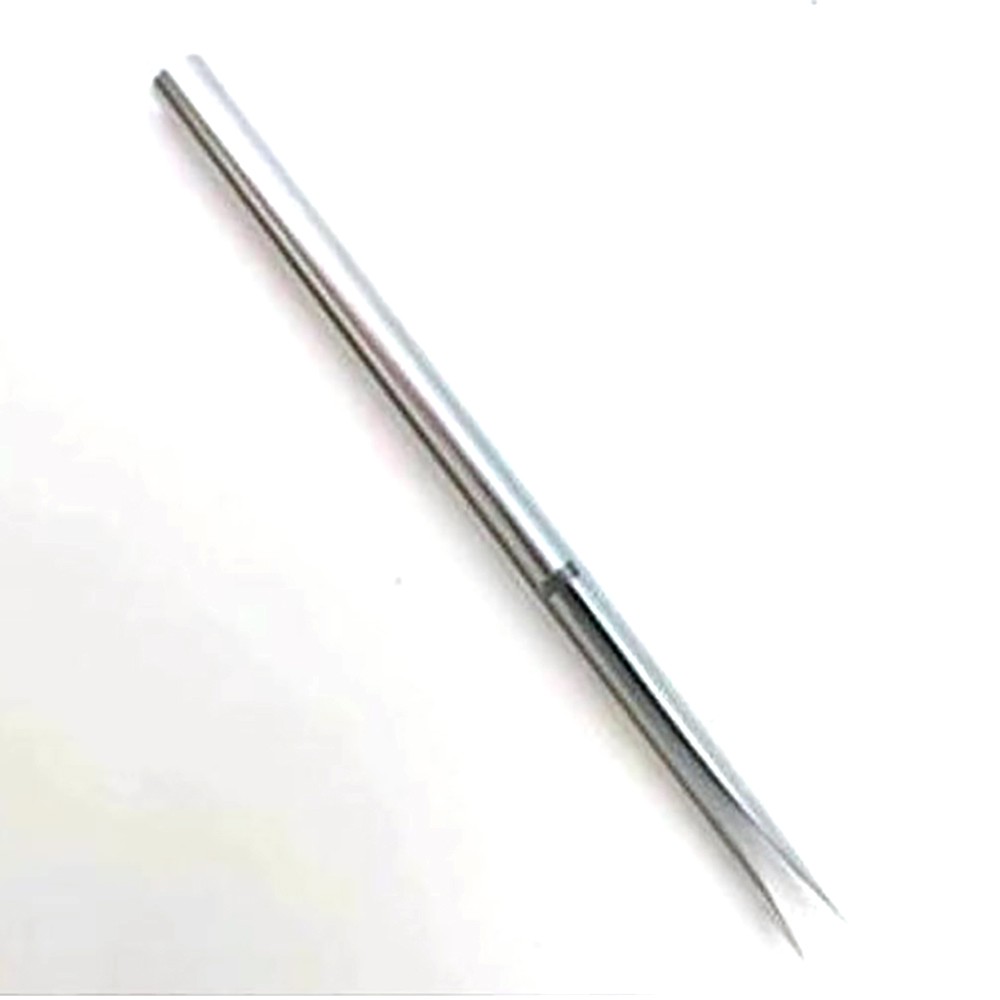
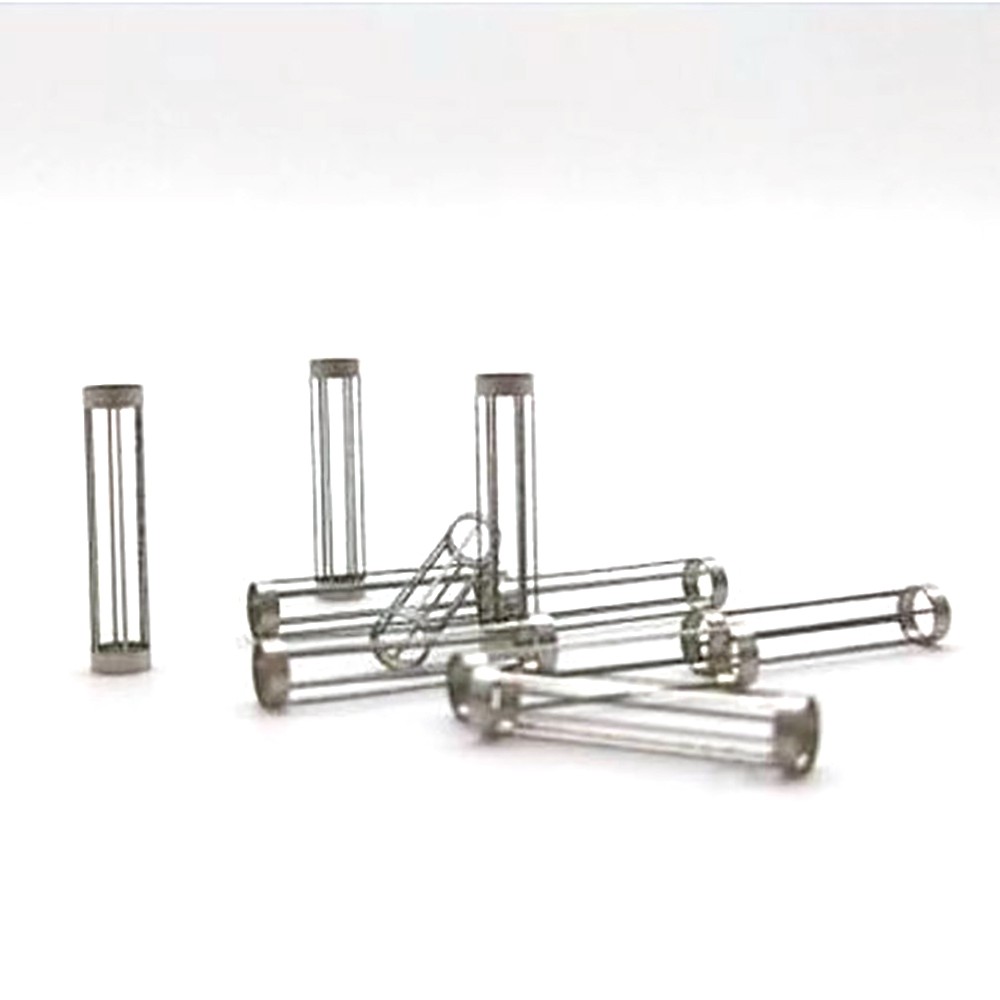
We’re pumped about our 316 medical-grade tubes for catheter fluid delivery—they’re the kind of high-performance material that makes advanced medical procedures possible. These tubes are built to deliver fluids safely and precisely, every single time.
Parameter
316 Stainless Steel
PEEK (Medical-Grade)
Titanium
Corrosion Resistance
Excellent
Good
Superior
Tensile Strength
~560 MPa
~100 MPa
~900 MPa
Weight
Moderate
Lightweight
Lightweight
Biocompatibility
Excellent
Excellent
Excellent
Cost
High
Moderate
Very High
Recyclability
Fully recyclable
Limited
Fully recyclable
Surface Smoothness
Excellent
Good
Good
Sterilization Resistance
Excellent
Excellent
Excellent
What makes 316 stainless steel so great? It’s loaded with 16-18% chromium, 10-14% nickel, and 2-3% molybdenum, giving it killer corrosion resistance. That’s huge for catheters, which deal with bodily fluids like saline and face tough sterilization processes. The molybdenum gives 316 an edge over other alloys, making it super resistant to pitting in harsh environments. Plus, it’s biocompatible, so it’s safe for prolonged contact with the body and keeps things hygienic by resisting bacterial buildup.
The seamless design of these tubes is a big deal. It ensures a super smooth inner surface, which means fluids flow consistently without clogs or turbulence—critical for catheters delivering medications or nutrients. With a tensile strength around 560 MPa, they’re strong yet flexible enough to be formed into the tiny, precise shapes needed for modern catheter designs. We use advanced manufacturing to hit tight dimensional tolerances, so every tube meets the exacting standards of medical device production.
The medical industry’s pushing for smaller, more efficient devices, and our 316 medical-grade tubes are right in line with that trend. Catheters are getting more specialized, and the demand for reliable, high-precision materials is through the roof. Sustainability’s also a hot topic, and these tubes are 100% recyclable, which is a win for eco-friendly manufacturing. Plus, their ability to handle repeated sterilization without breaking down makes them a go-to for hospitals and clinics.
Sure, they cost a bit more than plastics like PEEK, but the durability, precision, and safety they bring to the table are worth every penny. You just need to ensure your catheter design accounts for specific chemical exposures, though 316 handles most challenges like a champ.
From IV catheters to complex drug delivery systems, our 316 medical-grade tubes are designed to keep fluids flowing smoothly and patients safe, making them a cornerstone of modern medical care.
About Us:
Our 12,000㎡ factory is equipped with complete capabilities for research, production, testing, and packaging. We strictly adhere to ISO 9001 standards in our production processes, with an annual output of 1,200 tons. This ensures that we meet both quantity and quality demands. Furthermore, all products undergo rigorous simulated environment testing including high temperature, high pressure, and corrosion tests before being dispatched, ensuring they meet customer specifications. We also provide chemical analysis reports for every FeCrAl alloy, NiCr alloy, and other products purchased.
For all our clients, we offer timely and multilingual after-sales support and technical consulting, helping you resolve any issues swiftly and efficiently.
Client Visits
Building Stronger Partnerships
We support all kinds of testing:
FAQ:
Why are 316 medical-grade tubes used for catheters?
Their corrosion resistance and biocompatibility ensure safe, reliable fluid delivery in medical settings.
How does 316 differ from 304 for catheter applications?
316 has molybdenum, offering better corrosion resistance, especially in saline environments.
Are 316 medical-grade tubes safe for bodily contact?
Yes, they’re biocompatible and resist bacterial growth, perfect for medical use.
Can these tubes handle aggressive sterilization processes?
Absolutely, they withstand high temperatures and chemical sterilants without degrading.
Are 316 medical-grade tubes suitable for precise fluid delivery?
Totally, their smooth, seamless design ensures consistent flow and precise dimensions.
How customizable are 316 medical-grade tubes for catheters?
They’re highly formable, allowing for tailored designs to meet specific catheter requirements.
Are these tubes recyclable?
Yes, 100% recyclable, aligning with sustainable medical manufacturing trends.
Do 316 medical-grade tubes increase catheter production costs?
They’re pricier than some materials, but their durability and performance make them worth it.
Jiangsu Dzx Technology is a company dedicated to the production and research and development of alloys. Founded in 2002, we initially focused on the production of resistance alloys.