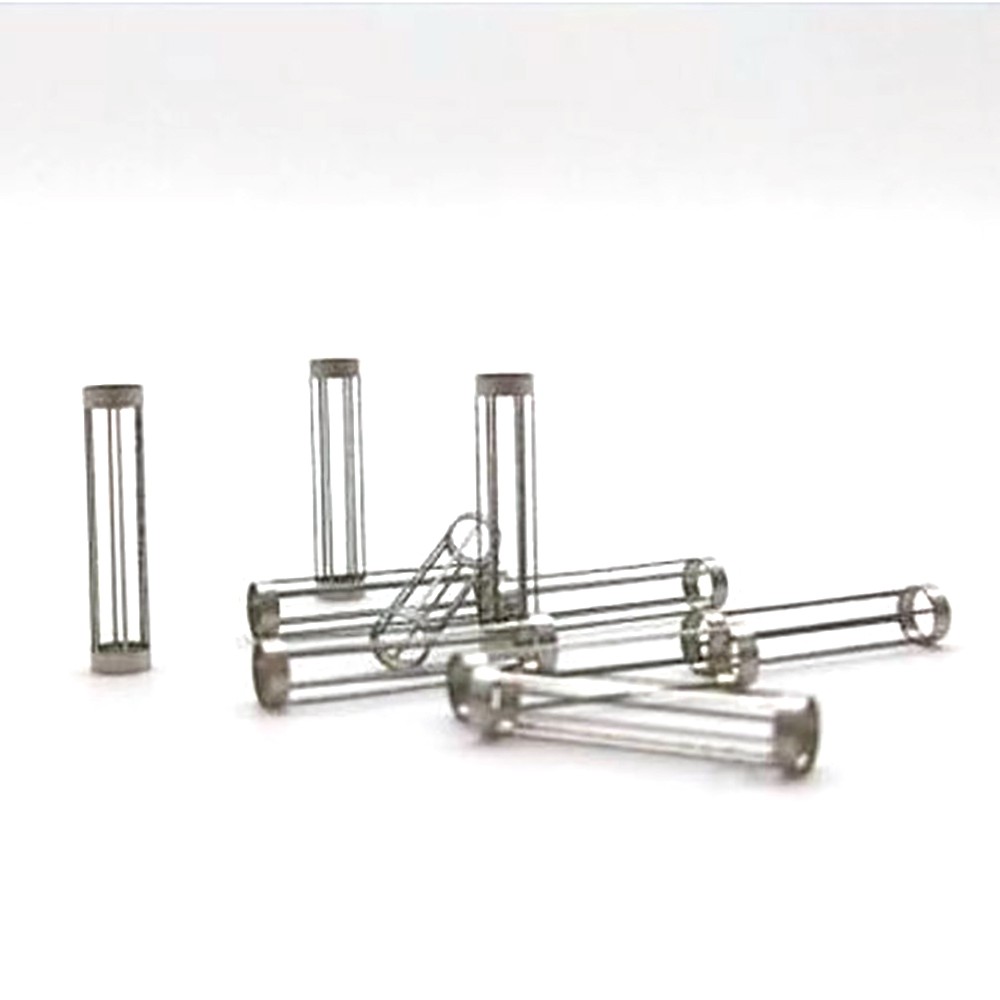
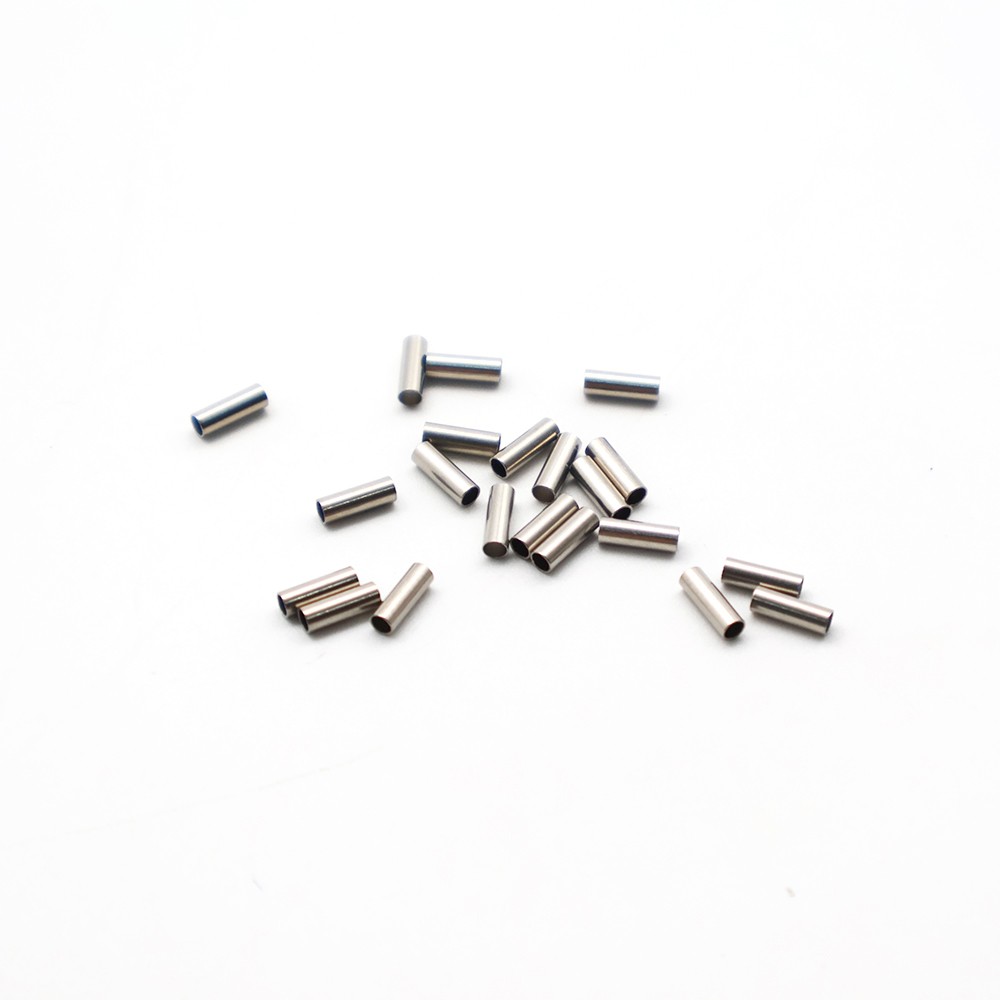
We’re thrilled about our 316L stainless steel seamless tubes for surgical endoscopes—they’re the kind of precision-engineered material that makes cutting-edge medical devices possible. These tubes are all about delivering reliability, safety, and performance in the operating room.
What’s so special about 316L? It’s an austenitic stainless steel with 16-18% chromium, 10-14% nickel, and 2-3% molybdenum, giving it top-tier corrosion resistance. That’s a big deal for endoscopes, which face harsh sterilization processes and bodily fluids. The low carbon content in 316L also means it welds like a dream without losing its corrosion resistance, which is crucial for crafting the tiny, intricate components of endoscopic equipment.
Parameter
316L Stainless Steel
Titanium
Medical-Grade Plastic
Corrosion Resistance
Excellent
Superior
Moderate
Tensile Strength
~560 MPa
~900 MPa
~50 MPa
Weight
Moderate
Lightweight
Lightweight
Biocompatibility
Excellent
Excellent
Good
Cost
High
Very High
Low
Recyclability
Fully recyclable
Fully recyclable
Limited
Surface Smoothness
Excellent
Good
Moderate
Sterilization Resistance
Excellent
Excellent
Moderate
The seamless design is a game-changer. No welds mean smoother surfaces and no weak points, which is critical for the precision and durability needed in medical tools. With a tensile strength around 560 MPa, these tubes are strong enough to handle the stresses of surgical use while staying lightweight. Their biocompatibility is another huge plus—they’re safe for contact with human tissue and resist bacterial buildup, keeping procedures hygienic.
The medical industry’s leaning hard into advanced, minimally invasive tech, and our 316L seamless tubes are right at the heart of it. Demand for high-precision, durable materials is growing as endoscopes get smaller and more complex. Sustainability’s also a big trend, and these tubes are 100% recyclable, aligning with eco-friendly manufacturing goals. Plus, their ability to withstand repeated sterilization without degrading makes them a favorite for long-term use.
Yeah, they cost more than medical-grade plastics, but the tradeoff is worth it. You get unmatched strength, precision, and reliability that cheap materials can’t touch. Just make sure your design accounts for the specific chemical environments in medical settings, though 316L handles most challenges like a pro.
From delicate diagnostic tools to advanced surgical endoscopes, our 316L seamless tubes are built to perform, ensuring doctors have the reliable equipment they need to save lives.
About Us:
Our 12,000㎡ factory is equipped with complete capabilities for research, production, testing, and packaging. We strictly adhere to ISO 9001 standards in our production processes, with an annual output of 1,200 tons. This ensures that we meet both quantity and quality demands. Furthermore, all products undergo rigorous simulated environment testing including high temperature, high pressure, and corrosion tests before being dispatched, ensuring they meet customer specifications. We also provide chemical analysis reports for every FeCrAl alloy, NiCr alloy, and other products purchased.
For all our clients, we offer timely and multilingual after-sales support and technical consulting, helping you resolve any issues swiftly and efficiently.
Client Visits
Building Stronger Partnerships
We support all kinds of testing:
FAQ:
Why are 316L seamless tubes used in surgical endoscopes?
Their corrosion resistance and biocompatibility ensure safe, reliable performance in medical applications.
How does 316L differ from 304 for endoscope manufacturing?
316L includes molybdenum for better corrosion resistance and has lower carbon for improved weldability.
Are 316L seamless tubes safe for medical use?
Yes, they’re biocompatible and resist bacterial growth, making them ideal for surgical tools.
Why choose seamless over welded tubes for endoscopes?
Seamless tubes offer smoother surfaces and higher strength, critical for precision instruments.
Can 316L seamless tubes withstand sterilization processes?
Absolutely, they handle high temperatures and chemical sterilants without degrading.
Are these tubes customizable for specific endoscope designs?
Totally, their formability allows for intricate shapes and tight tolerances.
Are 316L seamless tubes recyclable?
Yes, they’re 100% recyclable, supporting sustainable medical manufacturing.
Do 316L seamless tubes add significant cost to endoscope production?
They’re pricier than some alternatives, but their durability and performance justify the cost.
Jiangsu Dzx Technology is a company dedicated to the production and research and development of alloys. Founded in 2002, we initially focused on the production of resistance alloys.