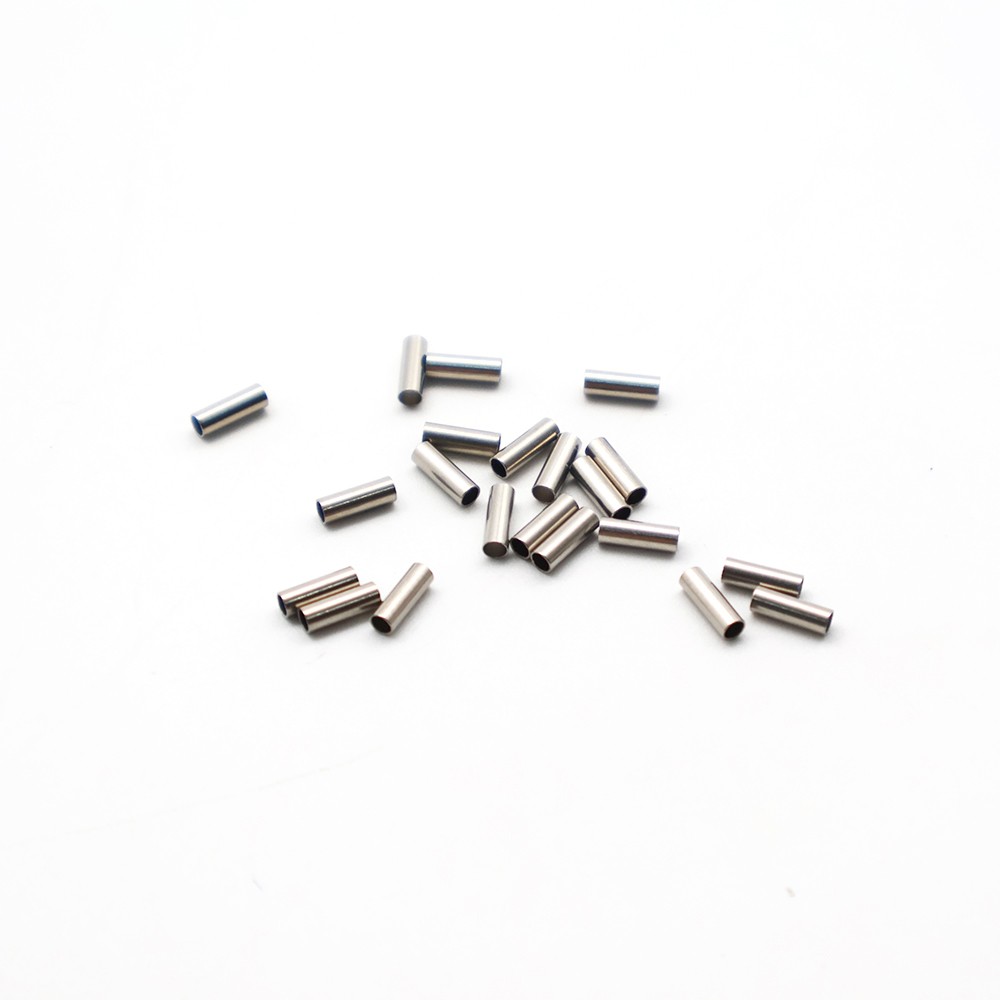
We’re stoked about our 316L polished tubes for furniture frame manufacturing—they’re the secret sauce behind some of the sleekest, most durable furniture out there. These tubes aren’t just functional; they bring a whole vibe to modern furniture design.
What makes 316L polished tubes stand out? It’s the alloy: 16-18% chromium, 10-14% nickel, and a splash of molybdenum (2-3%) for extra corrosion resistance. That means these tubes can handle humid environments, coastal climates, or even outdoor settings without rusting or losing their shine. Whether it’s a chic dining chair, a sturdy outdoor table, or a minimalist sofa frame, these tubes deliver the strength and style you need.
Parameter
316L Stainless Steel
Aluminum
Mild Steel
Corrosion Resistance
Excellent
Good
Poor
Tensile Strength
~560 MPa
~300 MPa
~400 MPa
Weight
Moderate
Lightweight
Heavy
Aesthetic Appeal
High (polished)
Moderate
Low
Cost
High
Moderate
Low
Recyclability
Fully recyclable
Fully recyclable
Fully recyclable
Weldability
Excellent
Moderate
Good
Maintenance
Low
Moderate
High
With a tensile strength around 560 MPa, 316L tubes are tough enough to support heavy loads while keeping things lightweight. Their low carbon content makes them super weldable, so we can craft intricate, custom designs without worrying about corrosion at the welds. And that polished finish? It’s not just for looks—though it does make furniture pop with a clean, modern aesthetic. The smooth surface resists dirt, grime, and even bacteria, making these tubes a favorite for high-end furniture in homes, offices, or public spaces.
The furniture industry’s all about blending form and function, and 316L polished tubes are right on trend. We’re seeing a big push for sustainable materials, and these tubes are 100% recyclable, which is a win for eco-conscious brands. Plus, the demand for durable, low-maintenance furniture is skyrocketing, especially for outdoor and commercial spaces. Our tubes fit perfectly into that niche, offering long-lasting performance with minimal upkeep.
Sure, they’re a bit pricier than aluminum or mild steel, but the investment pays off. You get furniture that looks stunning, lasts for years, and doesn’t need constant care. Just keep in mind that while 316L is great for most environments, extreme chemical exposure might need special consideration.
From luxury indoor pieces to weatherproof outdoor sets, our 316L polished tubes are the backbone of furniture that’s built to impress and endure.
About Us:
Our 12,000㎡ factory is equipped with complete capabilities for research, production, testing, and packaging. We strictly adhere to ISO 9001 standards in our production processes, with an annual output of 1,200 tons. This ensures that we meet both quantity and quality demands. Furthermore, all products undergo rigorous simulated environment testing including high temperature, high pressure, and corrosion tests before being dispatched, ensuring they meet customer specifications. We also provide chemical analysis reports for every FeCrAl alloy, NiCr alloy, and other products purchased.
For all our clients, we offer timely and multilingual after-sales support and technical consulting, helping you resolve any issues swiftly and efficiently.
Client Visits
Building Stronger Partnerships
We support all kinds of testing:
FAQ:
Why are 316L polished tubes ideal for furniture frames?
They combine corrosion resistance, strength, and a sleek, polished look perfect for modern designs.
How does 316L differ from 304 stainless steel for furniture?
316L has molybdenum for better corrosion resistance, especially in humid or coastal environments.
Can 316L polished tubes be used outdoors?
Yes, their corrosion resistance makes them great for outdoor furniture exposed to weather.
Are 316L polished tubes easy to clean?
Totally, their smooth, polished surface resists dirt and is a breeze to maintain.
What’s the benefit of the polished finish?
It gives furniture a premium, modern look while resisting fingerprints and smudges.
Jiangsu Dzx Technology is a company dedicated to the production and research and development of alloys. Founded in 2002, we initially focused on the production of resistance alloys.