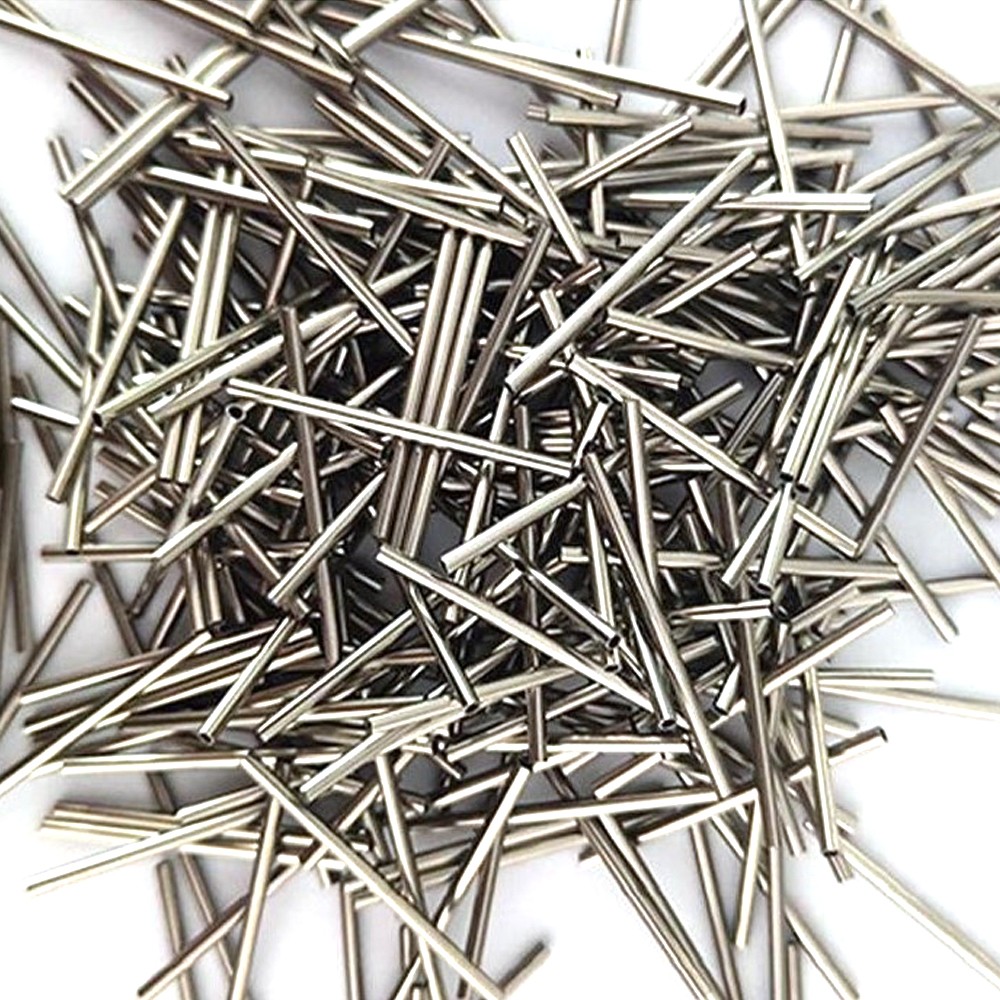
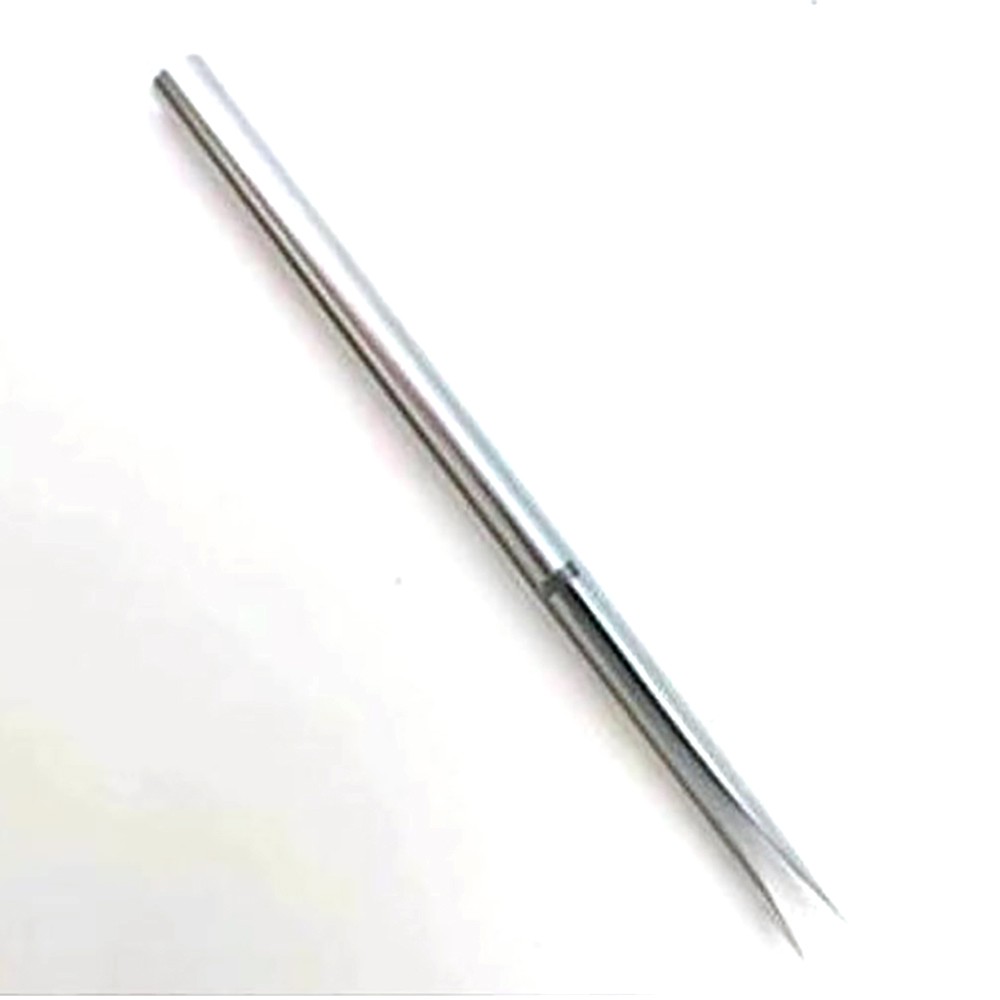
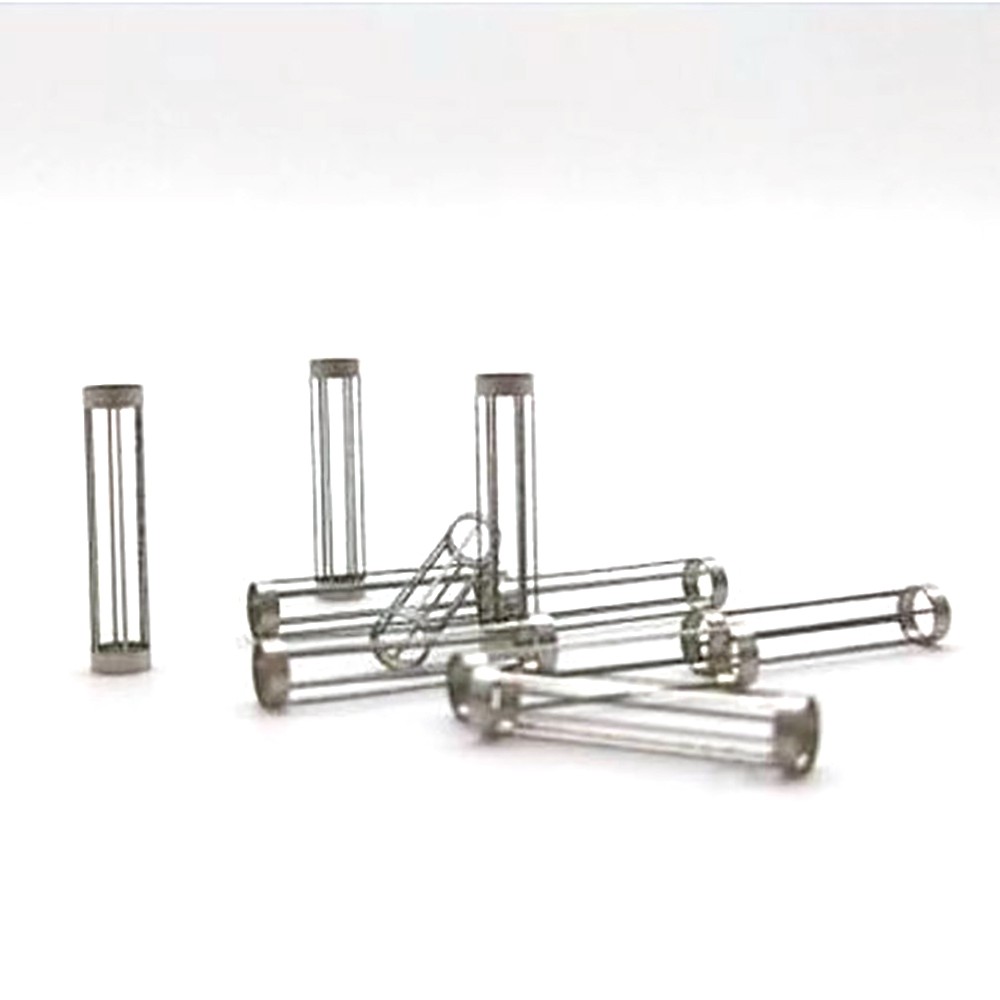
We’re super stoked about our 304 precision tubes for medical stent manufacturing—they’re the backbone of life-saving devices that keep hearts and arteries in check. These tubes are built for the high-stakes world of medical devices, and they nail it every time.
What’s the deal with 304 stainless steel? It’s got about 18% chromium and 8% nickel, which gives it awesome corrosion resistance to handle the harsh environment of the human body. Blood, saline, whatever—our tubes don’t flinch. They’re also biocompatible, so they’re safe for long-term implantation, a must for stents that keep blood vessels open.
Parameter
304 Stainless Steel
316L Stainless Steel
Titanium
Corrosion Resistance
Excellent
Superior
Superior
Tensile Strength
~621 MPa
~560 MPa
~900 MPa
Weight
Moderate
Moderate
Lightweight
Biocompatibility
Excellent
Excellent
Excellent
Cost
Moderate
High
Very High
Recyclability
Fully recyclable
Fully recyclable
Fully recyclable
Formability
Excellent
Excellent
Moderate
Dimensional Precision
High
High
High
Precision is where these tubes really flex. We use top-notch manufacturing to nail super tight dimensional tolerances, which is critical for the tiny, complex designs of modern stents. With a tensile strength of about 621 MPa, they’re tough enough for the job without adding extra weight. Plus, their formability is off the charts—we can shape them into all sorts of intricate designs without losing quality, perfect for next-gen stents.
The medical world’s all about pushing boundaries, and our 304 precision tubes are right there with it. Stents are getting smaller and more precise, and the demand for reliable, high-performance materials is sky-high. These tubes are 100% recyclable, which vibes with the industry’s sustainability push. And with the trend toward cost-effective, high-quality materials, 304 is a sweet spot—less expensive than titanium or 316L but still delivers the goods.
Sure, 304 might not have 316L’s extra corrosion resistance from molybdenum, but for most stent applications, it’s more than up to the task. Just make sure your design accounts for specific biological environments, though 304 handles most like a pro.
From coronary to peripheral vascular stents, our 304 precision tubes are crafted to save lives with precision, reliability, and a price that doesn’t break the bank.
About Us:
Our 12,000㎡ factory is equipped with complete capabilities for research, production, testing, and packaging. We strictly adhere to ISO 9001 standards in our production processes, with an annual output of 1,200 tons. This ensures that we meet both quantity and quality demands. Furthermore, all products undergo rigorous simulated environment testing including high temperature, high pressure, and corrosion tests before being dispatched, ensuring they meet customer specifications. We also provide chemical analysis reports for every FeCrAl alloy, NiCr alloy, and other products purchased.
For all our clients, we offer timely and multilingual after-sales support and technical consulting, helping you resolve any issues swiftly and efficiently.
We support all kinds of testing:
FAQ:
Why are 304 precision tubes used for medical stents?
Their corrosion resistance and biocompatibility make them perfect for safe, long-term implants.
How does 304 compare to 316L for stents?
304 is more budget-friendly, while 316L has better corrosion resistance due to molybdenum.
**unless Can 304 precision tubes handle complex stent designs?
Totally, their formability allows for intricate shapes and tight tolerances.
Are 304 precision tubes resistant to bodily fluids?
Yup, they hold up well against saline and other biological environments.
Are 304 precision tubes safe for human implantation?
Absolutely, they’re biocompatible and widely used in medical devices.
How are 304 precision tubes made to ensure quality?
We use advanced drawing techniques to get precise dimensions and smooth surfaces.
Are 304 precision tubes recyclable?
100% recyclable, fitting right in with sustainable manufacturing trends.
Do 304 precision tubes drive up stent production costs?
They’re cheaper than titanium, striking a great balance of cost and performance.
Jiangsu Dzx Technology is a company dedicated to the production and research and development of alloys. Founded in 2002, we initially focused on the production of resistance alloys.