


What Are the Key Properties of Pure Nickel Rods?
 Nov 19, 2024|
 View:527
Pure nickel rods combine electrical and thermal conductivity with resistance to selected corrosive environments. Their mechanical behavior depends on the supplied condition. These properties must be evaluated separately: a rod suitable for chemical exposure may still need a different diameter or condition to satisfy the component's mechanical requirements.
For purchasing, distinguish typical physical data from guaranteed batch results. A useful specification identifies the material grade and the condition in which each required property will be verified.
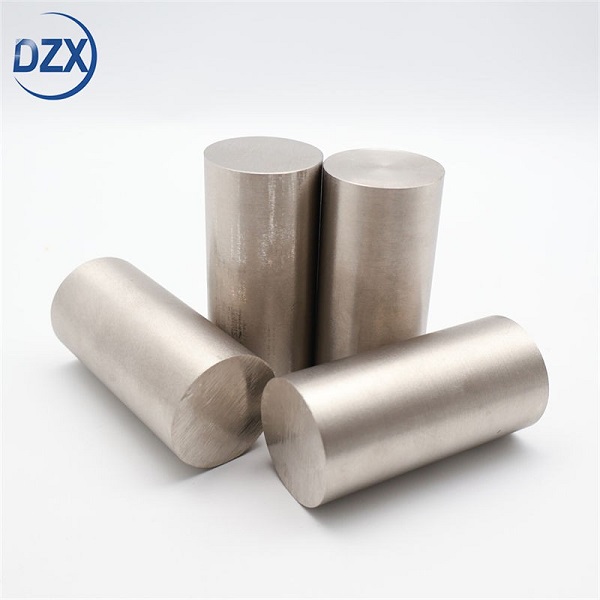
1. Main Properties of Pure Nickel Rods
Electrical and Thermal Conductivity
Commercially pure nickel conducts electricity and heat more readily than many nickel alloys. Electrical resistivity describes the material itself; the resistance of a finished rod also depends on its length and cross-sectional area.
Compare conductivity data at the same temperature. A room-temperature value should not be used unchanged in a heated assembly. Contact resistance at a joint is another contribution and must be considered separately from the resistance of the rod.
| Property | Nickel 200 Reference Value | Basis |
|---|---|---|
| Density | 8.89 g/cm³ | Typical physical value |
| Electrical resistivity | 0.096 μΩ·m | Annealed material at 20°C |
| Thermal conductivity | 70.3 W/(m·K) | Annealed material at 20°C |
| Melting range | 1,435–1,446°C | Physical reference, not a service-temperature rating |
These published Nickel 200 values support preliminary comparison. They are not acceptance limits for every pure nickel grade or delivery condition. Use the agreed material specification and inspection records for the purchased batch.
Corrosion Resistance
Nickel 200 and Nickel 201 are useful in alkaline service and selected reducing environments. Resistance to mineral acids varies with concentration and temperature; aeration and oxidizing contaminants can change the result substantially.
Describe the complete exposure when requesting material advice. For example, a component may encounter one solution during production and another during cleaning. Test data for only the normal process fluid may not cover both conditions.
Oxidation and Temperature Response
Oxidation resistance concerns reaction with the surrounding atmosphere. It does not establish load capacity at temperature. Mechanical properties and exposure duration must be assessed independently.
Nickel 201 has a lower carbon content than Nickel 200 and is generally preferred for exposure above approximately 315°C because Nickel 200 can suffer graphitization. The final operating limit still depends on the application.
Ductility and Mechanical Condition
Annealed nickel is relatively soft and ductile. Cold working raises strength and changes forming behavior. Consequently, rods with the same grade designation may behave differently if their processing histories differ.
Specify tensile properties or hardness where they affect production. A polished appearance does not establish whether the material is annealed or cold worked. Hardness testing can support process control, but it does not replace chemical identification.
2. Comparison with Other Metals
Comparison with Copper
Electrical-grade copper has substantially higher conductivity than commercially pure nickel. If electrical loss is the main selection criterion, nickel does not offer an automatic advantage.
The comparison changes when chemical exposure or joining requirements become important. Define the process medium before comparing corrosion performance. Neither metal should be described as universally more corrosion-resistant without identifying the environment.
For a proposed substitution, compare the finished part at the same current and temperature. Keeping the original dimensions while changing the material can change voltage drop and heat generation.
Comparison with Stainless Steel
Nickel 200 has lower electrical resistivity and higher thermal conductivity than common austenitic stainless steel such as 304 at room temperature. However, stainless steel includes many grades with different mechanical and corrosion properties.
A material comparison needs a named grade and condition. Compare Nickel 200 with the specified stainless steel grade, rather than comparing “pure nickel” with “stainless steel” as broad categories. For a loaded part, include the required strength and the fabrication route.
The purchase decision should also consider material yield and processing cost. A conductivity advantage has limited value if another requirement prevents the component from meeting its specification.
3. Performance under Operating Conditions
Elevated-Temperature Service
Review the component's normal temperature and any temporary excursions. A short heating cycle and continuous operation can create different material requirements. Use property data applicable to the selected grade and exposure.
Where the rod becomes part of a loaded assembly, the designer must consider deformation over time. A melting range is not an allowable working temperature, and resistance to oxidation is not evidence of adequate creep strength.
Pressure-Containing Components
A solid rod does not have a general pressure rating. When machined into a pressure-containing part, its capability depends on the finished geometry and the governing design requirements. Material properties are inputs to that assessment.
Identify the component drawing and required inspection scope before purchasing stock. If additional testing is required, agree the method and acceptance criteria rather than requesting an undefined “high-pressure grade.”
Machining and Subsequent Processing
Pure nickel can work harden during machining. Tool engagement and heat removal therefore matter to process consistency. The machining plan should account for the delivered condition and any later forming or welding.
For a first production run, record the condition of the stock used to establish the process. If a later shipment has a different hardness or processing state, review the change before applying the same setup.
DZX Supply Support and Property Verification
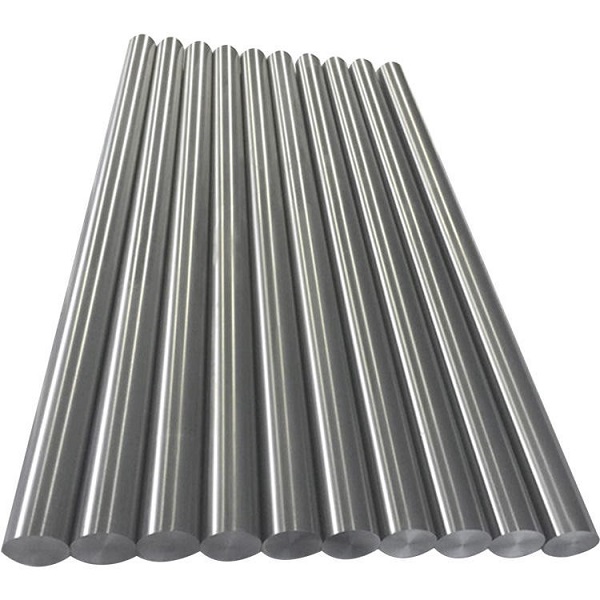
DZX's Pure Nickel Bar range supports grade-specific rod inquiries. The company's published capabilities include precision cutting and CNC machining, alongside incoming material verification and mechanical testing. Raw-material supplier relationships support sourcing across its alloy range.
For buyers comparing offers, DZX can review the required stock condition and processing scope against the part drawing. The quotation should identify the material being supplied and the inspection records included. Any additional property testing should be agreed before production.
Keep three types of information separate when accepting a batch:
Reference data: typical physical values used for preliminary engineering calculations.
Specification requirements: the composition and property limits stated in the purchase order.
Batch results: measured values linked to the supplied heat or lot.
If conductivity is critical, define the test temperature and acceptance method. If forming behavior is critical, identify the mechanical condition required at delivery. These details allow an offer to be evaluated against the actual requirement instead of a general claim of high purity.
For distributor orders, carry the agreed property requirements through to the material description and certificate review. Any proposed grade or condition change should remain visible to the end customer before the material is released for use.


