


Pure Nickel Electrode Mesh — Lifetime-Optimized Design for Hydrogen Electrolyzer Stack Durability
Product Attributes: N4 N6 Ni200 Ni201
Certificates: ISO9001 CE RoHS
Customization available based on provided drawings and samples.
 0
0Product Attributes: N4 N6 Ni200 Ni201
Certificates: ISO9001 CE RoHS
Customization available based on provided drawings and samples.

ISO9001 Factory Direct | Since 2002 | N4/N6/Ni200 | Lifetime-Optimized Design | Free Sample Available
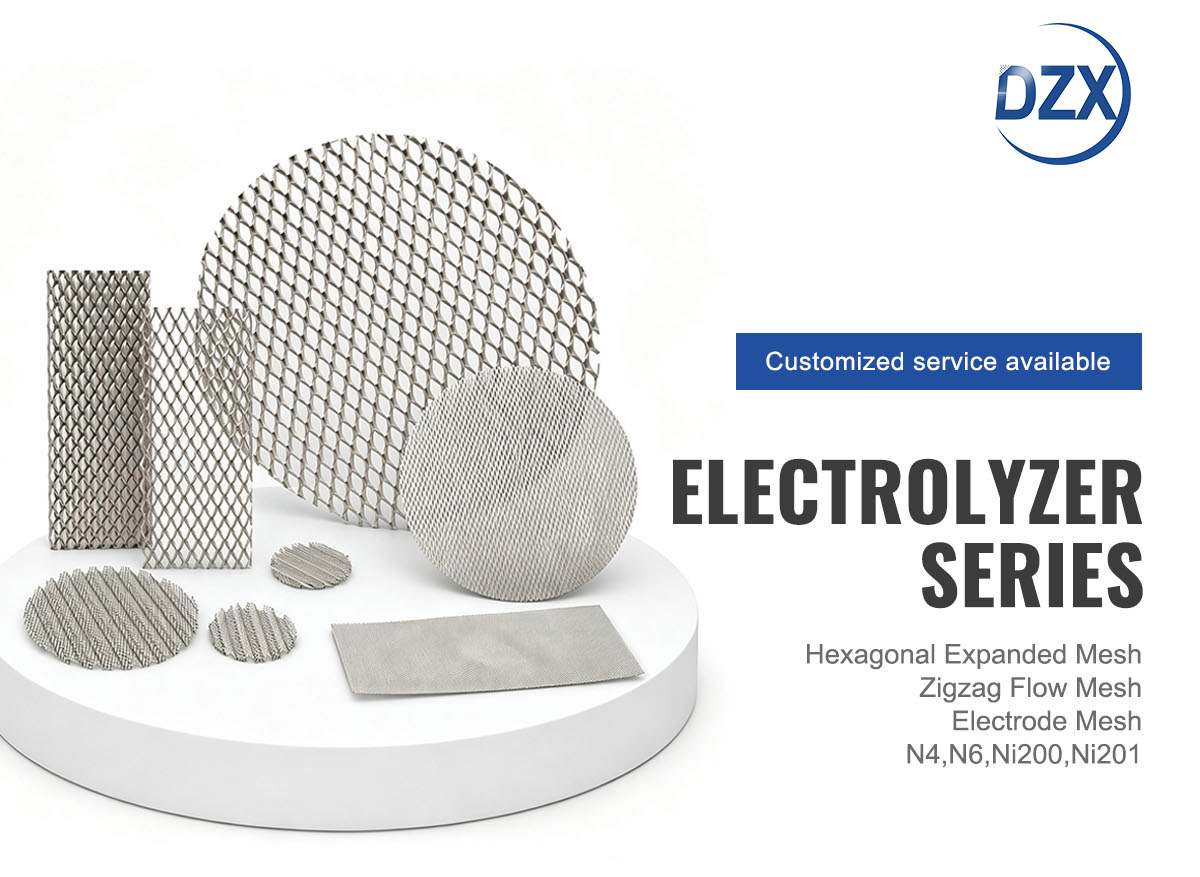
An electrolyzer stack is a 60,000-hour asset. The mesh inside it must perform electrochemically from hour one and mechanically from hour one to hour 60,000. At Jiangsu DZX Alloy Co., Ltd., we do not treat electrode mesh as a consumable to be optimized for initial performance and replaced at the first service interval. We engineer it for the full stack design life — specifying nickel grade, wire diameter, mesh count, weave pattern, and post-weave treatment based on how each parameter degrades over tens of thousands of operating hours in hot concentrated alkaline electrolyte. Our approach is simple: if a mesh parameter improves initial performance by 2% but halves the electrode life, it is the wrong parameter. We optimize for the integral of performance over time — not the peak.
| Degradation Mechanism | What Happens at the Mesh Surface | How Mesh Specification Prevents It |
|---|---|---|
| Iron redeposition | Trace iron from the mesh slowly dissolves into 30% KOH at 80°C (nanograms per cm² per hour). The dissolved iron plates onto the cathode as metallic Fe, increasing the cathode overpotential by 10–30 mV over 20,000 hours. | N4 grade (Fe ≤0.04%) reduces iron dissolution rate by approximately 4× compared to Ni200 (Fe ≤0.4%). For stacks targeting >40,000-hour electrode life, the grade choice is the single most impactful specification decision. |
| Grain boundary attack | In Ni200 with carbon >0.10%, chromium from the electrolyte can preferentially attack grain boundaries where chromium carbides have precipitated. This creates micro-crevices that grow into pits over thousands of hours. | Ni201 with carbon ≤0.02% eliminates grain boundary carbide precipitation. For operating temperatures above 90°C — common in advanced ALK designs — Ni201 or N6 are preferred over standard Ni200. |
| Creep relaxation at wire intersections | Under continuous stack compression at 80–90°C, the contact stress at woven mesh wire crossings exceeds the creep threshold of pure nickel. Over 20,000 hours, the wire diameter at the crossing points reduces by 2–5 μm — enough to relax compression by 5–15%. | Post-weave solution annealing relaxes residual forming stress in the wires before they enter the stack. A fully annealed mesh creeps less under compression than a work-hardened mesh because work hardening accelerates primary creep rate in pure nickel. |
| Surface area loss from Ostwald ripening | Raney nickel catalyst coatings — which are electrochemically active nickel-aluminum structures — undergo microstructural coarsening over time. The high-surface-area nickel structure slowly recrystallizes into larger grains with lower surface area, reducing catalytic activity. | While we do not supply the catalyst coating, the underlying mesh surface roughness and cleanliness directly affect coating adhesion and initial catalyst distribution. A clean, controlled-Ra surface produces a more uniform coating that ripens more slowly than coating on a contaminated or variable surface. |
| Localized current density drift | If mesh thickness varies by ±5 μm across the sheet, the thinner regions carry higher current density. Over 30,000 hours, these regions degrade faster — creating a positive feedback loop where the already-thinner region degrades even faster. | Cold-rolled nickel sheet with ±0.01 mm thickness tolerance (for expanded mesh) or precision-drawn wire with ±0.005 mm diameter tolerance (for woven mesh). Uniform cross-section produces uniform current density produces uniform degradation rate across the electrode. |
| Design Life Target | Recommended Grade | Rationale | What You Trade Off |
|---|---|---|---|
| 10,000–20,000 hours (pilot / demonstration stacks) | Ni200 | Adequate for stacks where lifetime demonstration is not the primary objective. Lower cost than higher-purity grades. Good availability for rapid prototyping iterations. | Iron dissolution into electrolyte will accumulate over time. Acceptable for stacks that will be disassembled and analyzed before 20,000 hours — not for commercial field deployment. |
| 20,000–40,000 hours (early commercial stacks) | N6 | Nickel-cobalt ≥99.5%, Fe ≤0.1%. Iron dissolution rate approximately 3× lower than Ni200. Good balance of lifetime and cost for stacks entering commercial service with planned electrode replacement at mid-life. | Higher material cost than Ni200. Carbide precipitation still possible if carbon and processing history are not controlled — request low-carbon N6 variant. |
| 40,000–60,000 hours (full commercial stacks, no planned electrode replacement) | N4 | Nickel-cobalt ≥99.9%, Fe ≤0.04%, Cu ≤0.015%. Lowest trace element dissolution into electrolyte. Minimum overpotential drift over stack life. For projects where electrode replacement requires a 2-week stack teardown and the downtime cost exceeds the material cost difference by orders of magnitude. | Highest material cost. Requires longer melt scheduling lead time. Recommended only when lifetime analysis confirms N4 is cost-justified vs N6 with mid-life replacement. |
| Advanced ALK (>90°C operation) | Ni201 | Low carbon (≤0.02%) prevents intergranular attack at elevated temperature. Specified when operating temperature exceeds 90°C — increasingly common in pressurized alkaline electrolysis systems targeting higher efficiency. | Lower Ni minimum (99.0%) than N6. The carbon constraint is the priority — nickel content is secondary for this use case. |
Lifetime modeling support: Provide your target stack life, operating temperature, and KOH concentration. Our metallurgical team can estimate iron dissolution rates and overpotential drift for each grade — helping you quantify the lifetime cost difference between N6 and N4 for your specific operating conditions.
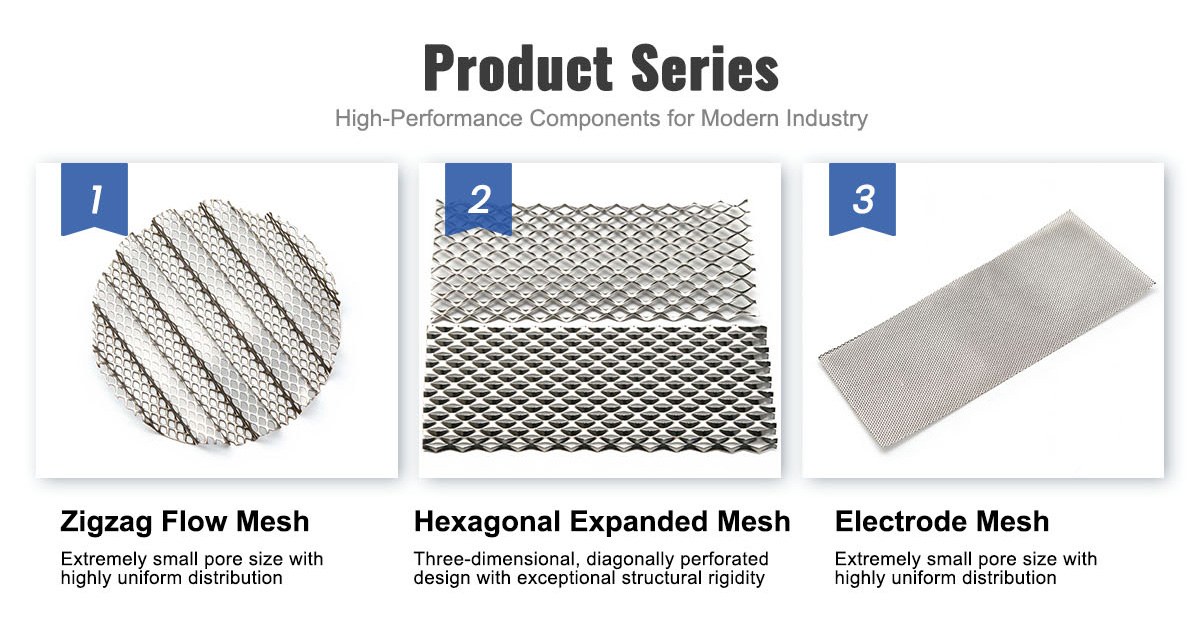
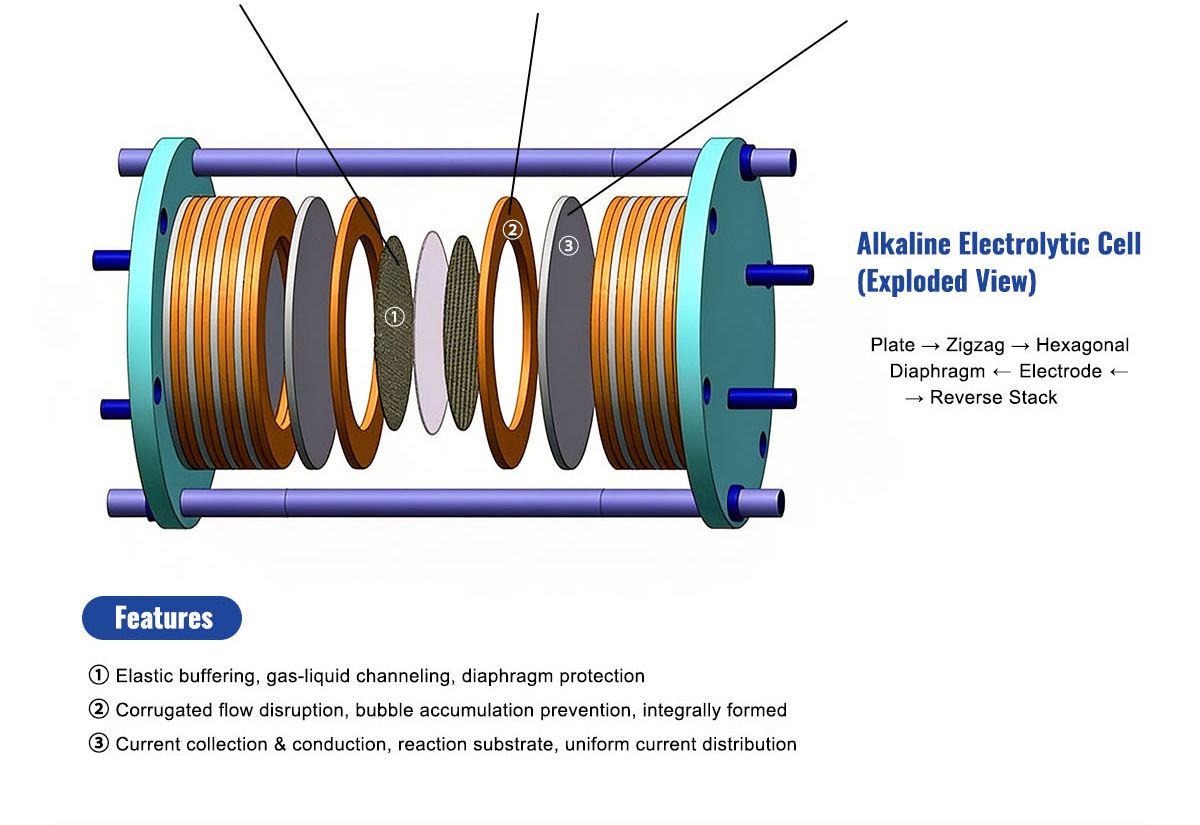
Specification driven by degradation analysis, not by catalog — Most mesh suppliers ask: "What mesh count and wire diameter do you want?" We ask: "What is your target electrode life in hours, and what degradation mechanisms have you observed in your end-of-life teardowns?" The mesh specification follows from the degradation analysis — not the other way around.
Controlled trace elements — because ppm matters over 60,000 hours — A single mesh sheet weighing 50 grams with Fe at 0.3% contains 150 milligrams of iron. If even 10% of that iron dissolves into the electrolyte over the electrode life and redeposits on the cathode, it is enough to measurably increase the cathode overpotential. Our ingot chemistry control targets Fe at the low end of the specification range — not "anywhere within spec."
Annealed for microstructural stability — not just for softness — Solution annealing nickel mesh is commonly done to improve ductility for handling. We anneal for a different reason: to dissolve the dislocation structure from wire drawing or sheet rolling, eliminating the stored cold work that accelerates primary creep under stack compression. A fully recrystallized, equiaxed grain structure creeps less and degrades more slowly than a work-hardened structure — and over 60,000 hours, the difference compounds.
Clean surface — because what is on the mesh goes into your electrolyte — Wire drawing lubricants, rolling oils, and handling residues left on the mesh surface dissolve into the KOH electrolyte during the first 100 hours of operation. Some of these organic residues decompose into carbonate — increasing electrolyte resistance. Others deposit on the electrode surface as a thin organic film — blocking catalyst sites. Our mesh is cleaned and bright annealed in controlled atmosphere. The surface is free of organic residue before it enters your stack.
Uniform cross-section — uniform degradation — Thickness or diameter variation across the mesh creates current density variation. The thinner regions carry higher current density. Higher current density accelerates local degradation. Local degradation thins the region further. Over 30,000+ hours, this positive feedback loop creates weak spots that fail before the rest of the electrode. We control wire diameter to ±0.005 mm and sheet thickness to ±0.01 mm specifically to prevent this spatial degradation non-uniformity.
Pre-compression characterization available — For customers developing compression-sensitive stack designs, we can characterize mesh compression behavior: load vs deflection curves, creep relaxation rate at operating temperature, and contact resistance as a function of compression pressure. This data feeds your stack mechanical design model — ensuring the mesh compression specification is consistent with your stack compression system design.
Jiangsu DZX Alloy Co., Ltd. was founded in 2002 with a single material focus: nickel. Not nickel as one product line among many — nickel as the only material we melt, roll, draw, weave, expand, and anneal. This focus creates a depth of process knowledge that a multi-alloy manufacturer cannot replicate. When a wire drawing operator has drawn only pure nickel for 15 years, they develop an instinct for the alloy's behavior — the sound of the die when reduction is too aggressive, the subtle color change on the wire surface that signals the annealing atmosphere needs adjustment, the vibration pattern that indicates die wear before the diameter goes out of tolerance.
These are not specifications in a quality manual. They are the accumulated tacit knowledge of a workforce that has spent two decades making one material — and they are why DZX mesh shows measurably lower defect rates and more consistent electrochemical behavior than mesh from general-purpose wire mills.
12,000 m² facility — dedicated to nickel alloy manufacturing. No carbon steel, no stainless, no copper. Nickel only. No cross-contamination risk.
Melt-to-mesh traceability since 2002. Every mesh sheet traceable to ingot chemistry. ISO9001 with SGS accreditation.
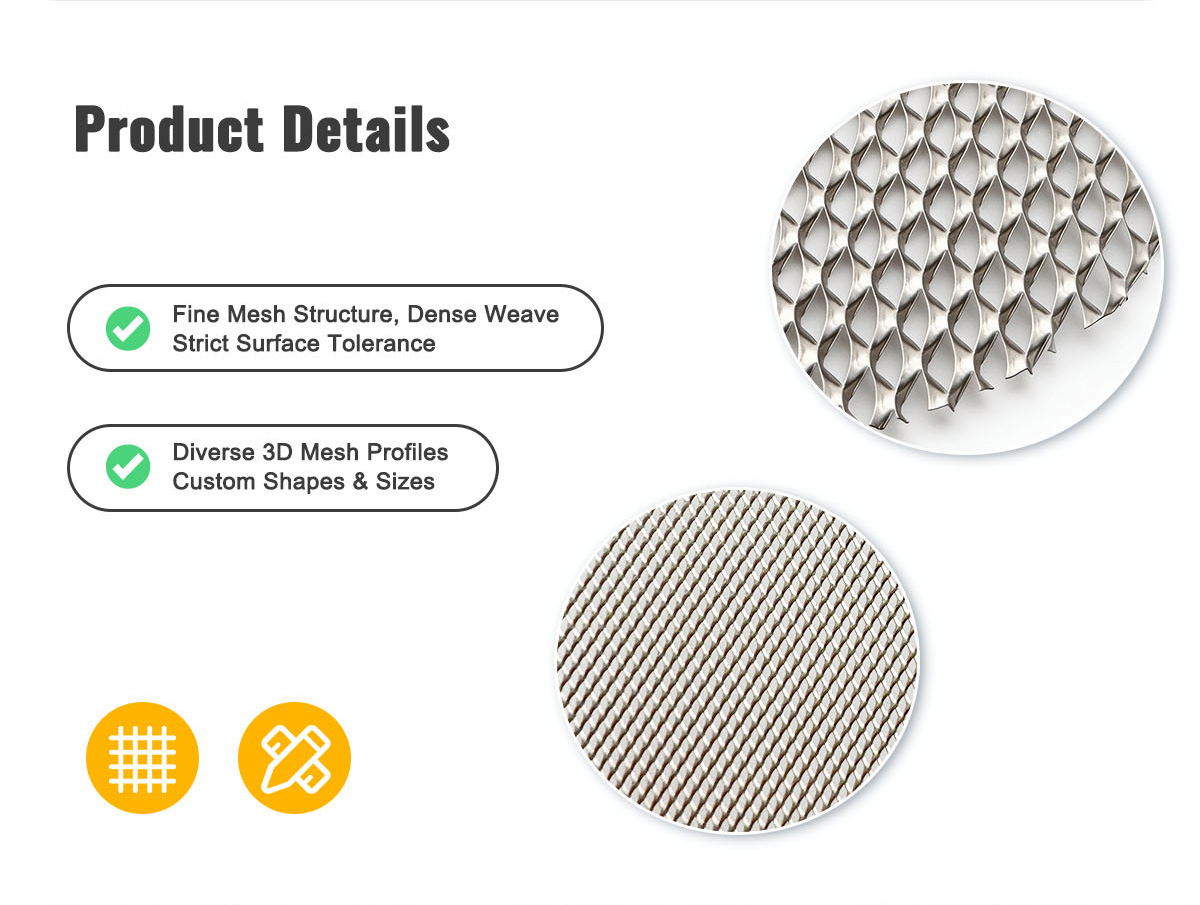
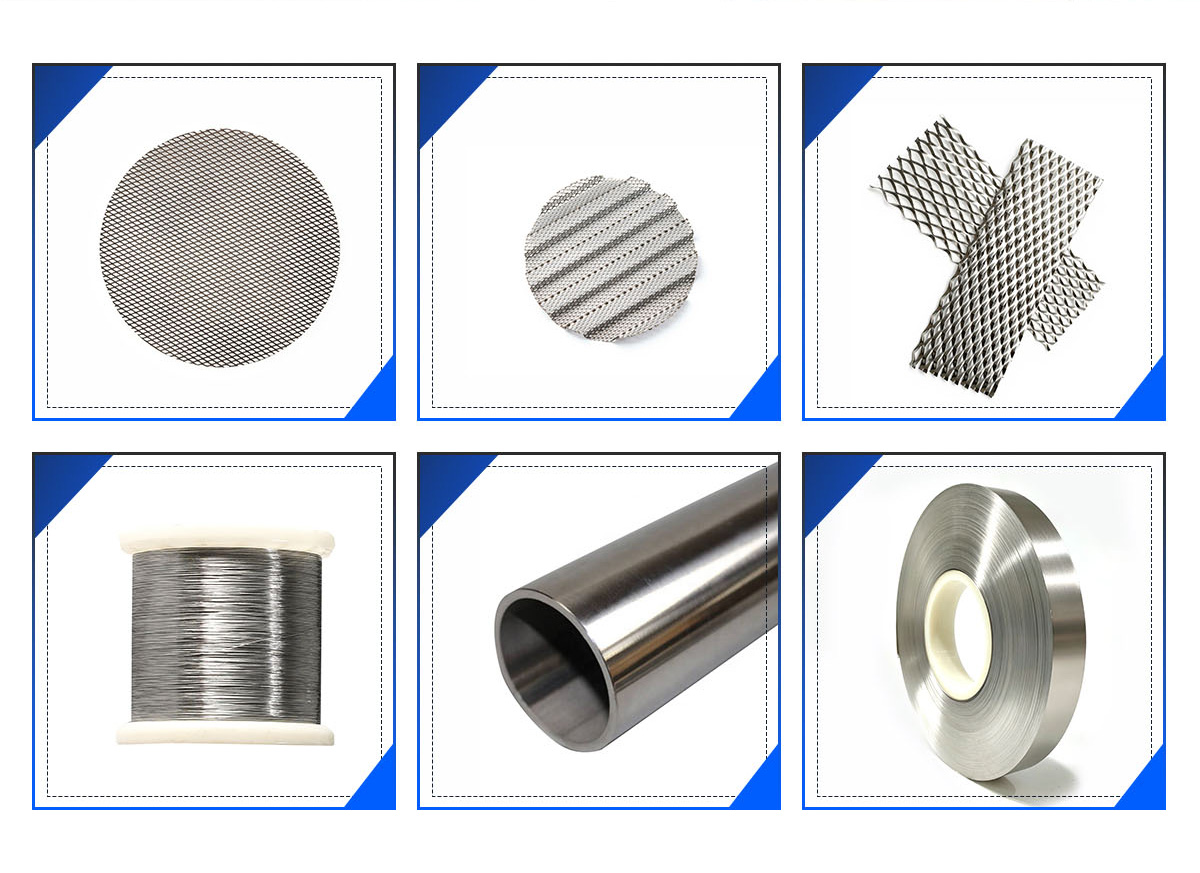
Custom mesh specification — woven (all weaves), expanded, corrugated. Woven wire 0.10–0.80 mm. Expanded sheet 0.15–0.50 mm. Custom mesh count, LWD, strand width, open area, sheet size.
 Chemical Composition — Grade Options for Lifetime Optimization
Chemistry certified from ingot through finished mesh. Select grade based on target electrode life and operating conditions.
| Element (%) | N4 | N6 | Ni200 | Ni201 |
|---|---|---|---|---|
| Ni+Co | ≥99.9 | ≥99.5 | — | — |
| Ni | — | — | ≥99.2 | ≥99.0 |
| Fe | ≤0.04 | ≤0.1 | ≤0.4 | ≤0.4 |
| Cu | ≤0.015 | ≤0.1 | ≤0.25 | ≤0.25 |
| C | ≤0.01 | ≤0.1 | ≤0.15 | ≤0.02 |
| Si | ≤0.03 | ≤0.1 | ≤0.35 | ≤0.35 |
| Mn | ≤0.002 | ≤0.05 | ≤0.35 | ≤0.35 |
| S | ≤0.001 | ≤0.005 | ≤0.01 | ≤0.01 |
Need help selecting? We can model estimated iron dissolution and overpotential drift for each grade at your operating conditions — providing a quantitative basis for the N4 vs N6 lifetime cost decision.
| Quality Attribute | Standard Inspection | Lifetime Relevance |
|---|---|---|
| Chemistry — iron and copper | OES per ingot. Fe and Cu trended across heats. PMI spot check per production lot. | Iron at 0.05% vs 0.15% may both be "within spec" for N6, but the 0.05% heat will contribute approximately one-third the iron dissolution over 40,000 hours. We track and trend — and we can select heats at the low end of the Fe range for lifetime-critical orders. |
| Carbon content | Combustion analysis per ingot. Verified against grade specification. | Carbon above 0.05% in nickel that will operate above 80°C in KOH risks grain boundary carbide precipitation. We flag heats above 0.05% for elevated-temperature applications — even if the grade specification allows higher carbon. |
| Microstructure — grain size | ASTM E112 per lot. Equiaxed grain structure verified. | Grain size affects both mechanical creep rate and electrochemical behavior. Grain size ASTM 5–7 is optimal for combined creep resistance and uniform current distribution. We verify — not just assume — that annealing has achieved full recrystallization. |
| Surface cleanliness | Water break test — a continuous film of deionized water on the mesh surface confirms absence of organic residue. Conducted per production lot. | Organic residue on the mesh surface dissolves into KOH → decomposes to carbonate → increases electrolyte resistance. A mesh that passes the water break test introduces essentially zero organic contamination into the electrolyte. |
| Dimensional uniformity | Wire diameter/profile: laser micrometer, 5 measurements per 100m of wire. Mesh count: optical verification per sheet. | Uniformity prevents localized current density variation — the root cause of spatially non-uniform electrode degradation. Our dimensional data proves your electrode will degrade at the same rate across its entire active area. |
| Documentation | EN 10204 3.1 MTC + grain size report + surface cleanliness cert + dimensional uniformity report + certificate of conformance | Full documentation package supports your electrode life warranty claims and your customer's due diligence requirements. |
Third-party verification by SGS, BV, or TÜV. Free sample for lifetime-sensitive electrode evaluation.
 Packaging & Delivery
| Cleanliness preservation | Mesh sheets are packaged immediately after surface cleanliness verification — no storage in ambient air before packing. Vacuum sealed with desiccant in Class 1000 clean-compatible packaging protocol. Surface remains water-break-free at your receiving inspection. |
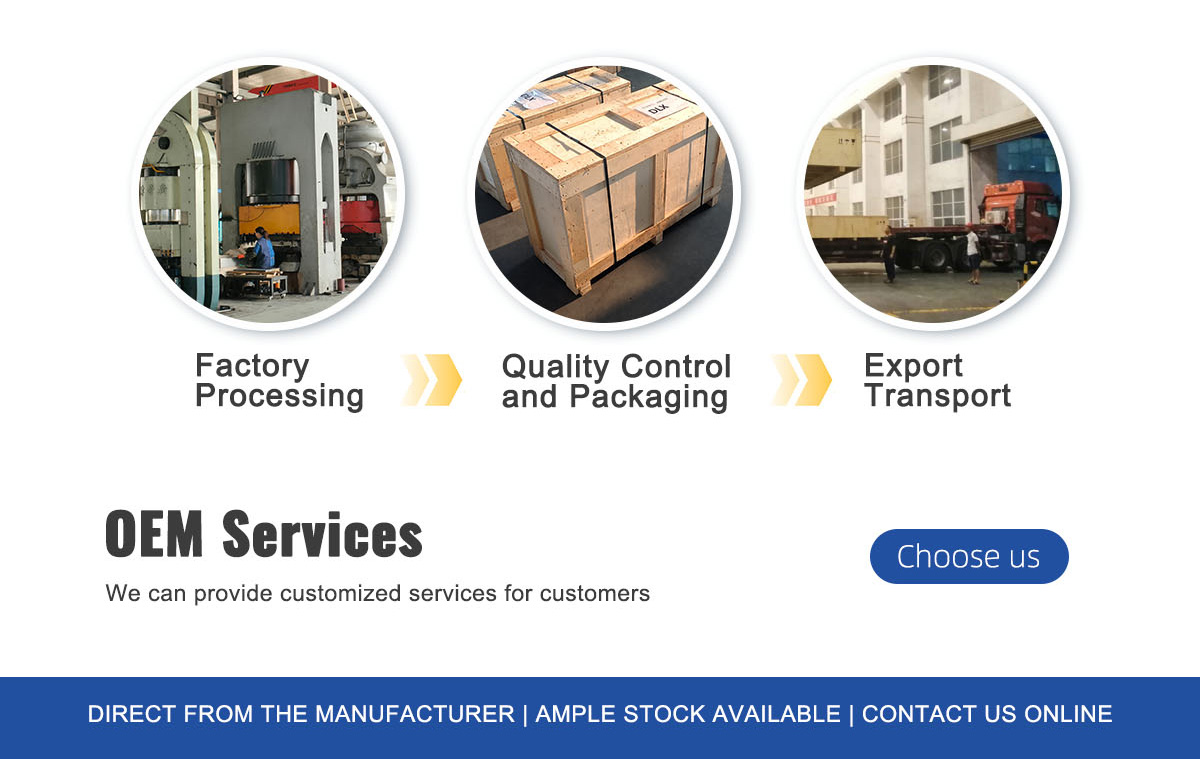
| Sheet protection | Interleaved with acid-free, lint-free tissue. Stacked flat between rigid backing boards. Outer wrap: VCI anti-corrosion film. Outer crate: seaworthy plywood. |
| Identification | Grade, ingot heat number, Fe and C content, grain size, mesh specification, sheet dimensions, lot number, DZX traceability code. Full traceability from ingot chemistry through finished mesh — including Fe and C trending data for lifetime-critical applications. |
| Sample MOQ | 5 sheets — free for qualified electrolyzer OEM lifetime evaluation. |
| Production MOQ | 50 sheets per specification. Fe-trended heats available for lifetime-critical production programs. |
| Lead Time | 2 weeks for trial with stock wire; 4–6 weeks for custom wire diameter or Fe-trended heat selection. |
| Shipping | Air (DHL, FedEx) for trial; sea (FCL) for production. Cleanliness-preserved packaging validated for 6-week ocean transit. |
| Payment | T/T for trial; T/T or L/C at sight for production. |
The decision is economic, not technical — both grades work. The question is whether the reduced overpotential drift from N4's lower iron dissolution justifies the higher material cost. We can provide estimated iron dissolution rates for N6 vs N4 at your operating temperature and KOH concentration, which your stack performance model can translate into efficiency loss over 50,000 hours. Multiply the efficiency loss by your electricity cost and compare to the mesh cost difference. For most grid-connected electrolyzer projects with electricity costs above $0.05/kWh, N4 pays back within the first 10,000–15,000 operating hours.
Yes. For N6-grade mesh, standard specification requires Fe ≤0.1%. We can select ingot heats with Fe ≤0.06% for lifetime-critical orders — documented on the MTC. This is not a different grade; it is heat selection within the grade. There is no additional cost for heat selection — it is a scheduling and inventory management function. We do require advance notice for heat selection so that we can reserve the appropriate ingot.
Water break test: deionized water is applied to the mesh surface after cleaning and annealing. On a clean nickel surface, water forms a continuous unbroken film. On a surface with organic residue, the water film breaks into droplets within seconds. This test is performed on sample sheets from every production lot. Sheets that fail are re-cleaned and re-tested before packing. The test is simple, visual, and immediate — no waiting for laboratory results.
Yes — this is a service we provide for customers optimizing stack compression design. We compress mesh samples to your specified load in a heated fixture at your operating temperature, measure deflection vs time over 100–500 hours, and fit the data to a creep model. The model predicts compression relaxation over the full electrode life. This data allows your stack mechanical design team to specify the correct initial compression to maintain target pressure at end-of-life — accounting for mesh creep relaxation.
We believe it does, and our customer audit results support this. In a multi-alloy facility, the same rolling mill that processes nickel also processes stainless steel. Iron fines from stainless processing contaminate the nickel surface. The same annealing furnace atmosphere that is mildly reducing for stainless may be oxidizing for nickel at the same temperature — because nickel's oxidation thermodynamics are different. In a nickel-only facility, every piece of equipment — work rolls, furnace atmosphere, slitting tooling, handling fixtures — is configured for nickel and nickel only. The result is measurably lower surface iron contamination than mesh produced in multi-alloy facilities. We encourage customers to perform SEM-EDS surface analysis on qualification samples from any supplier they are evaluating — the difference is visible in the data.


E-mail: dzx@dlx-alloy.com
Mobile: +8619906119641
Tel: 0086-19906119641
WhatsApp: +86-19906119641
Add: NO.32 West Taihu Road, Xinbei District, Changzhou, Jiangsu


