


How to Maintain and Care for Pure Nickel Plates?
 Dec 03, 2024|
 View:920
Pure nickel plates need protection from surface contamination and handling damage throughout storage and fabrication. Routine care involves keeping the metal clean and dry, supporting it correctly and checking any change in surface condition before processing.
For buyers receiving Pure Nickel Plate, the delivery specification provides the starting point. Record the supplied finish and material identification so that later inspection can distinguish existing surface features from damage introduced during handling.
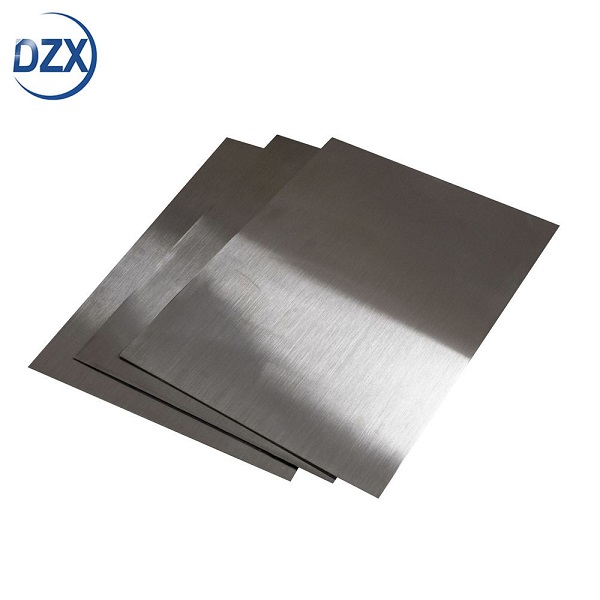
1. Prevent Corrosion and Surface Contamination
Pure nickel has useful resistance to many corrosive media, particularly alkaline solutions. Its performance in acids depends on the chemical composition and exposure conditions. Cleaning products should therefore be selected for compatibility with the actual nickel grade and the intended process.
Remove dirt before it becomes trapped between stacked plates. Keep the storage area clear of carbon-steel grinding dust, and use clean contact surfaces during handling. Embedded iron can produce rust-colored staining that should be investigated before it is attributed to corrosion of the nickel itself.
Paint and rust-preventive oil should only be applied when the delivery or process specification calls for them. A coating can introduce an additional removal step before fabrication. For electrical contact surfaces or process-contact equipment, residual coating may also interfere with the intended function.
Material already exposed to a process chemical requires a service-specific cleaning procedure. Identify the deposit before selecting a cleaner. Cleaning frequency should reflect the operating conditions and inspection findings, rather than a fixed interval applied to every installation.
Check Discoloration Before Removing Metal
A change in appearance does not establish the depth or cause of damage. Compare the affected area with the delivery photographs and inspect it after suitable cleaning. If pitting or a groove remains, measure the defect and assess it against the required thickness and surface acceptance criteria.
Avoid grinding a plate simply to restore a uniform shine. Local material removal can make an otherwise usable plate fall outside dimensional tolerance.
2. Storage Suggestions for Pure Nickel Plates
Store plates in a dry indoor area away from chemical fumes and splash zones. Keep the stock off the floor, with access for inspection. If a package arrives wet, inspect its contents promptly and replace damp packing after the material has been dried.
Use level supports appropriate to the plate dimensions and stack weight. Thin material needs sufficient support to prevent bending during storage or lifting. Align supports between stacked bundles so that concentrated loads do not distort the lower plates.
Protect the Faces and Edges
Separate finished surfaces with clean, nonabrasive interleaving material. Lift plates clear of one another instead of dragging them across the stack. Protective contact pads should be checked for trapped grit before each handling operation.
Edge protection helps prevent damage from straps and transport contact. Packaging should hold the bundle securely without pressing hard fittings directly against the finished faces.
Where protective film is supplied, follow its specified storage and removal conditions. Confirm whether it must be removed before cutting or heating. Film left beyond its intended exposure period can become difficult to remove and leave adhesive residue.
Keep Material Identification with the Stock
Separate different grades and delivery conditions in the stock system. Preserve the link between each bundle and its material certificate. After cutting, transfer identification to retained pieces using an approved marking method or a labeled packaging system.
For distributors supplying several customers from one plate, record which cut pieces came from each original lot. This makes subsequent inspection queries easier to resolve and reduces the risk of mixing visually similar materials.
3. Cleaning Methods for Pure Nickel Plates
For ordinary dust and light handling marks, begin with a mild detergent compatible with nickel and a clean, soft cloth. Test an unfamiliar cleaning product on a representative offcut or an agreed inconspicuous area before treating the full surface.
Remove loose particles without rubbing them into the plate.
Apply the cleaner at its specified concentration and contact time.
Wipe with clean cloths, replacing them as they collect contamination.
Rinse away detergent where required, then dry before repacking.
Water quality should match the cleanliness requirement. For residue-sensitive applications, specify the final rinse and drying method in the process instructions. Inspect both faces before returning the plate to storage.
Oil, Adhesive and Persistent Deposits
Oily residues may require an approved degreaser. Choose a product compatible with the metal and any surface protection that must remain. Follow the cleaner’s handling instructions and allow the surface to dry fully before further processing.
Remove forming lubricant and marking residues before heating. Nickel can be damaged by certain contaminants at elevated temperatures. A surface that appears clean under ordinary warehouse lighting may still require the preparation specified for welding or heat treatment.
Scale removal and chemical pickling belong to a controlled fabrication procedure. Do not substitute an unqualified acid treatment for routine cleaning. Where mechanical cleaning is necessary, use suitable dedicated tools and verify that the operation preserves the required finish.
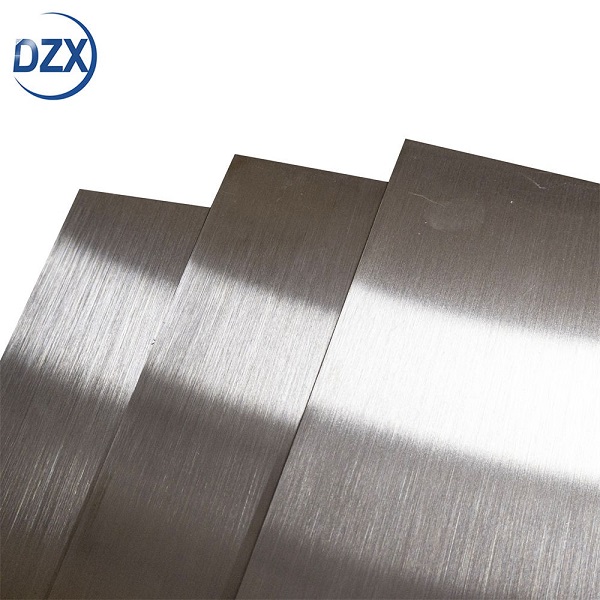
Inspection Before Releasing Plates for Fabrication
Check the plate again when it leaves storage. The following observations help determine whether it can proceed to fabrication or needs further assessment.
| Observation | Recommended action |
|---|---|
| Wet or damaged packaging | Inspect the contact areas, dry the material and replace unsuitable packing. |
| Visible oil or adhesive | Identify the residue and apply the approved cleaning process before the next operation. |
| Persistent staining | Investigate its source and inspect the underlying surface after cleaning. |
| Scratches, pits or edge damage | Measure the affected area and compare it with the order or drawing requirements before repair. |
| Distortion | Check flatness using the agreed measurement method before considering straightening. |
| Missing material identification | Hold the plate until its traceability has been restored through documented records. |
DZX Supply Support for Surface-Sensitive Orders
DZX’s alloy supply combines established raw-material supplier relationships with incoming material checks. Its published processing capabilities include precision cutting and CNC machining, supported by dimensional and visual inspection. These capabilities help connect the purchased material condition with downstream fabrication requirements.
For plate orders, specify the required finish and acceptable surface defects alongside the dimensions. State whether one face or both faces require protection, and describe any restrictions on oil or adhesive contact. Include the intended storage period so that packaging requirements can be agreed before dispatch.
Make surface protection part of the purchase order. Buyers can request an agreed inspection record and bundle identification suitable for their receiving process. For repeat deliveries, retain the accepted finish description or reference sample so that incoming inspection uses a consistent basis.


