Products Description

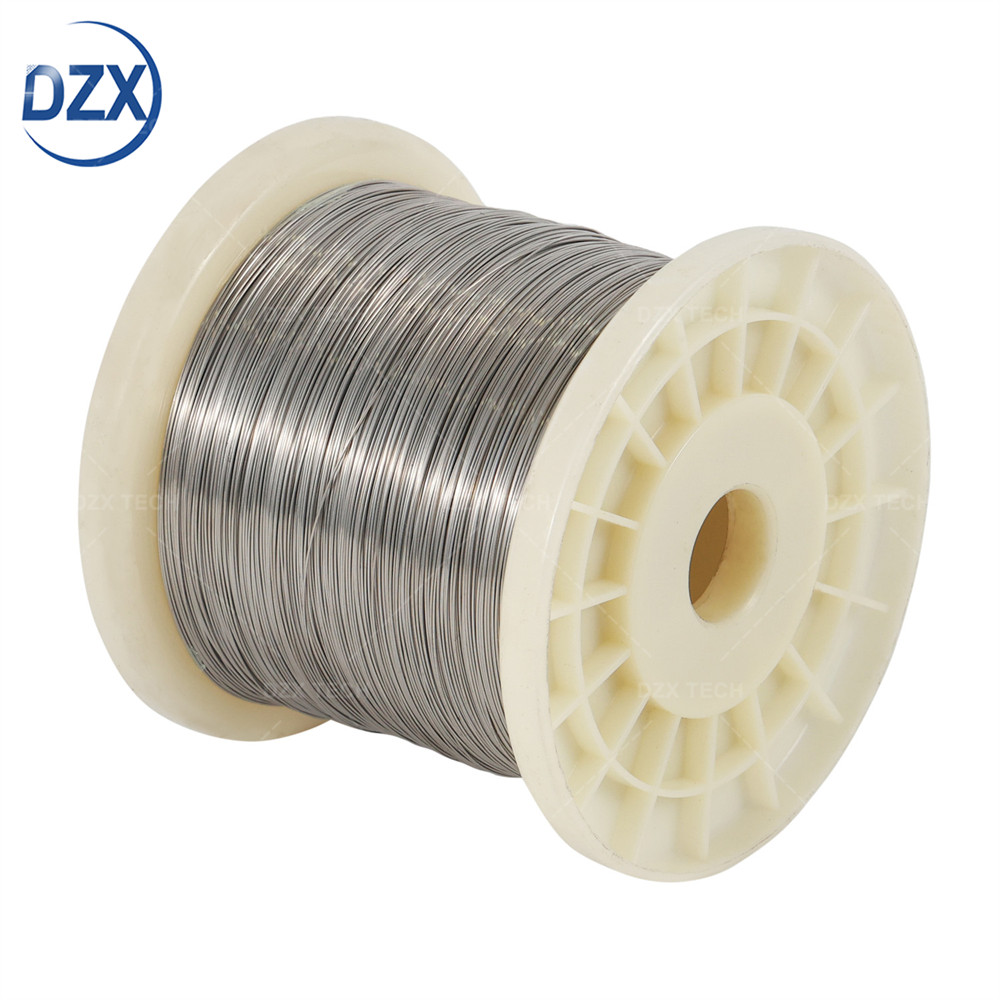
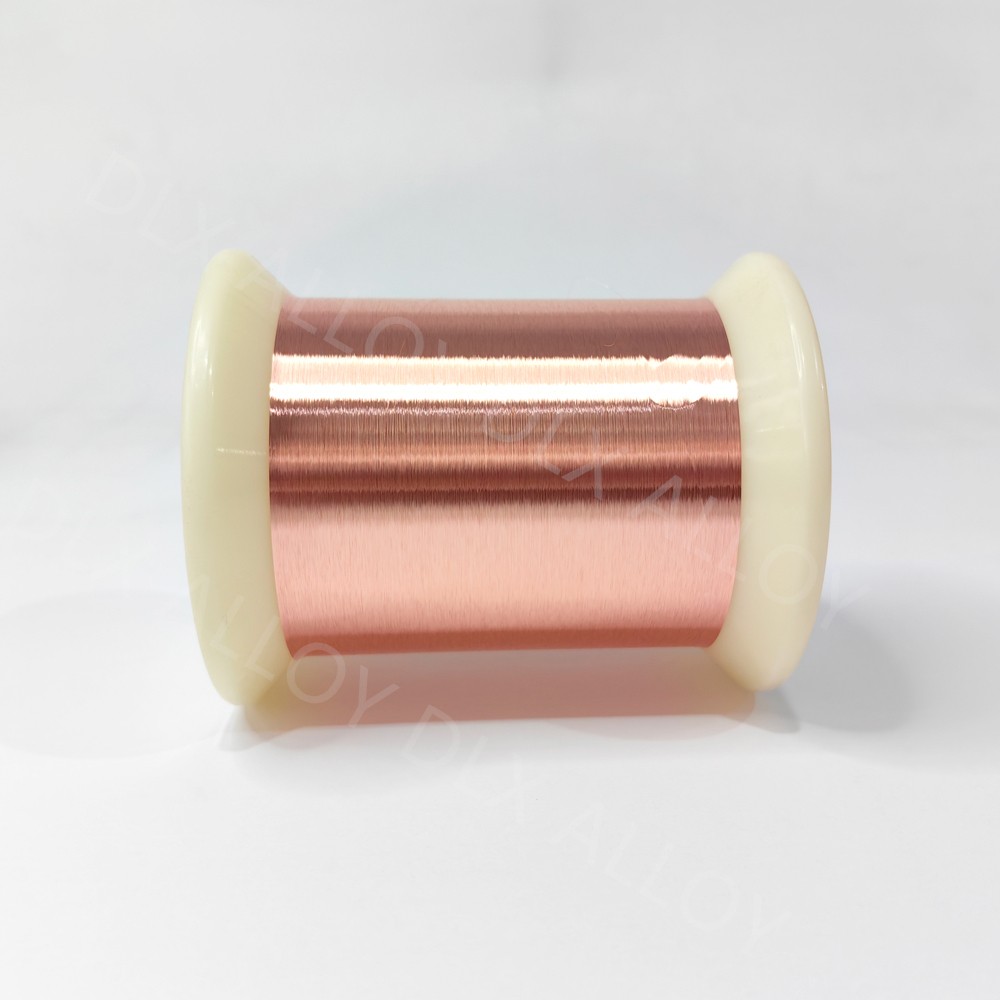
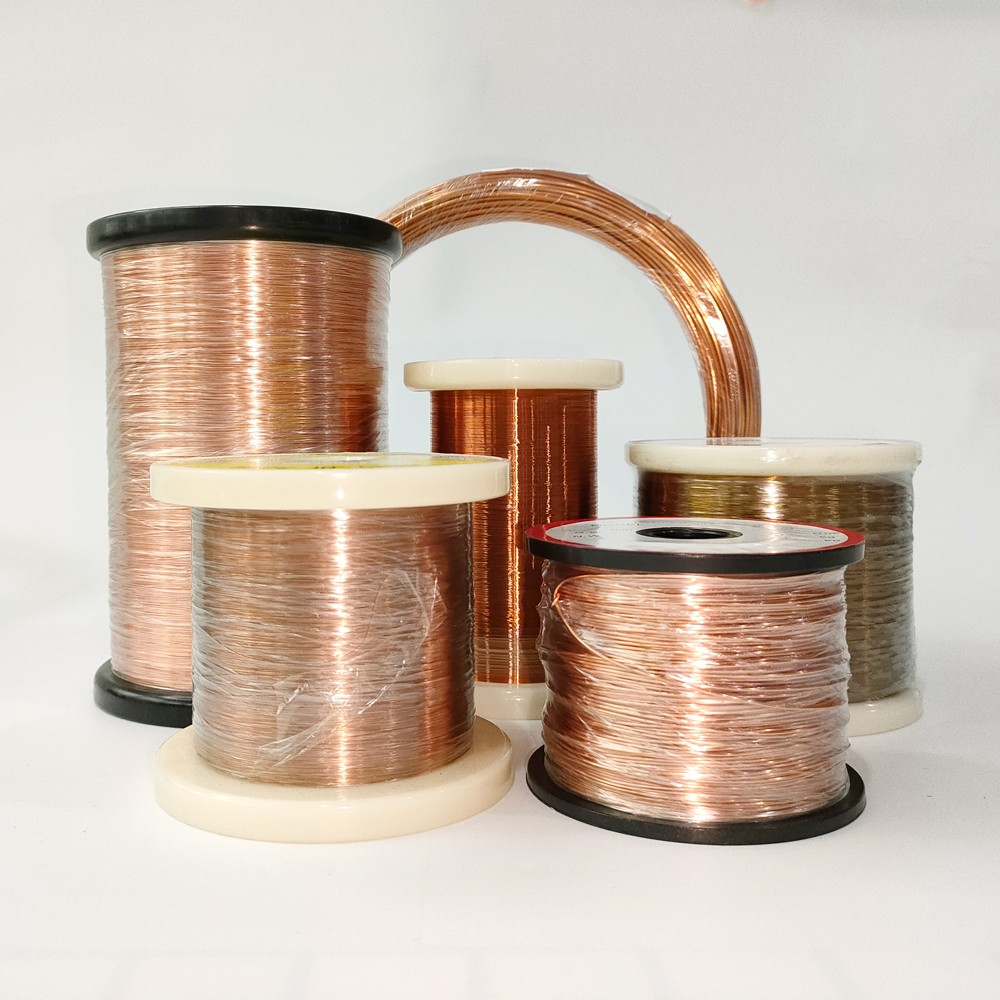
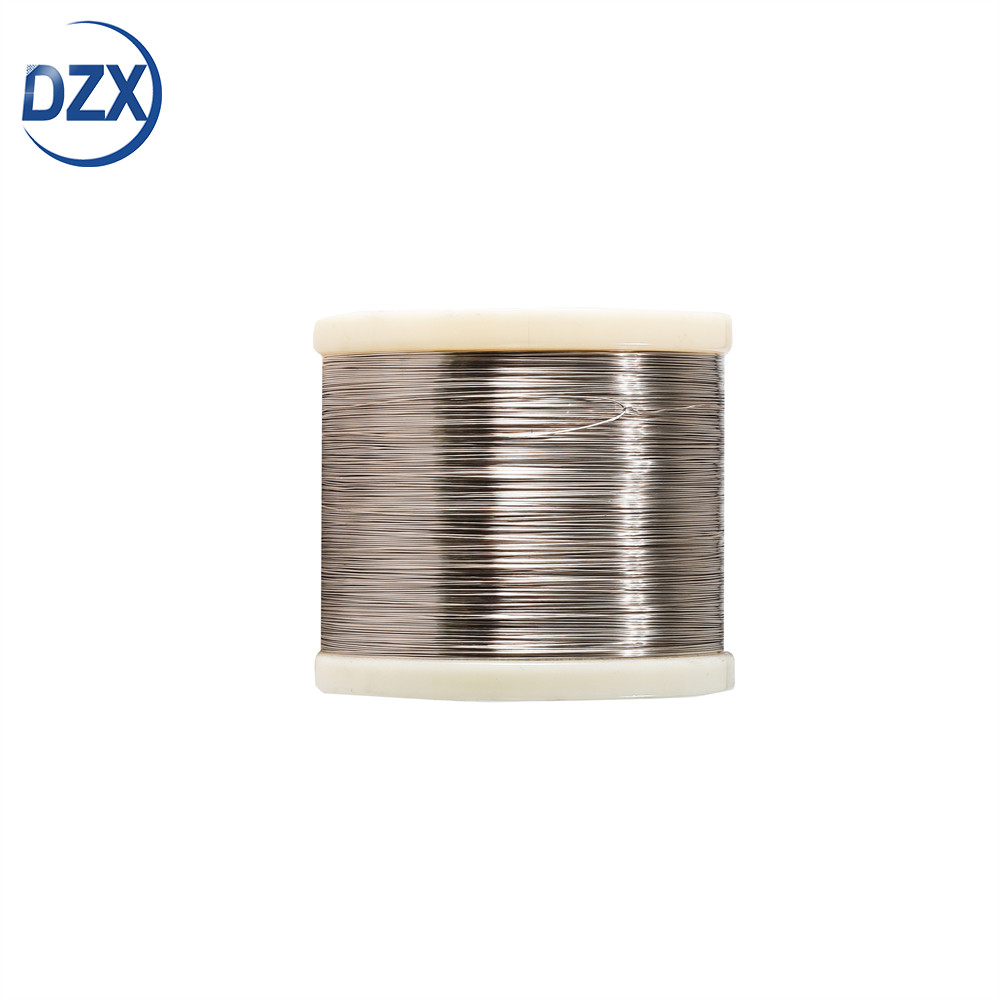
Copper-nickel wire is an alloy material composed of copper and nickel. It combines the excellent electrical conductivity of copper and the high corrosion resistance of nickel. This alloy is widely used in electrical engineering, shipbuilding, chemical equipment, and precision instruments due to its excellent physical and chemical properties. There are various grades of copper-nickel wire, such as CuNi1, CuNi2, CuNi10, CuNi44, etc. Each grade has its specific nickel content and corresponding performance characteristics to meet the needs of different application scenarios. In addition, special grades such as 6J8, 6J11, 6J13, etc., due to their unique alloy composition, are usually used to manufacture parts with special requirements for corrosion resistance, mechanical strength or thermal stability. The parameters of copper-nickel wire, including electrical conductivity, thermal conductivity, hardness and tensile strength, will vary depending on the specific alloy composition and processing technology.
CuNi1: This is a copper-nickel alloy with a low nickel content, usually around 1%. It maintains the excellent electrical and thermal conductivity of copper, while the addition of nickel improves its corrosion resistance.
CuNi2: A copper-nickel alloy containing about 2% nickel. Compared with CuNi1, its corrosion resistance is improved and is often used to manufacture corrosion-resistant electrical equipment and components.
CuNi10: A copper-nickel alloy with a nickel content of about 10%. Due to its higher nickel content, it has better seawater corrosion resistance and is suitable for equipment manufacturing in marine environments.
CuNi44: This is a copper-nickel alloy with a nickel content of 44%, also known as white copper. It has excellent corrosion resistance, especially to ammonia and hydrogen sulfide, and is commonly used in the chemical industry.
6J8: This is a special grade of copper-nickel alloy, usually used to manufacture precision resistors and thermocouples, with stable resistivity and good thermoelectric properties.
6J11: This alloy has a high nickel content, usually around 30%. It has good mechanical properties and corrosion resistance, and is suitable for manufacturing high-strength, high-corrosion-resistant components.
6J13: This is a copper-nickel alloy with a higher nickel content. It has excellent heat resistance and corrosion resistance and is often used to manufacture parts that work at high temperatures, such as aerospace engine parts.
Specification
Properties Material | Resistivity 200c μΩ.m | Max working temperature (℃) | Tensile strength (Mpa) | Melting point (℃) | Density (g/cm3) | TCR *10-6/℃ (20-600℃) | EMF vs Cu (μV/℃) (0-100℃) |
CuNi1 | 0.03 | 200 | 210 | 1085 | 8.9 | <100 | -8 |
CuNi2 | 0.05 | 200 | 220 | 1090 | 8.9 | <120 | -12 |
CuNi6 | 0.1 | 220 | 250 | 1095 | 8.9 | <60 | -18 |
CuNi8 | 0.12 | 250 | 270 | 1097 | 8.9 | <57 | -22 |
CuNi10 | 0.15 | 250 | 290 | 1100 | 8.9 | <50 | -25 |
CuNi14 | 0.2 | 300 | 310 | 1115 | 8.9 | <30 | -28 |
CuNi19 | 0.25 | 300 | 340 | 1135 | 8.9 | <25 | -32 |
CuNi23 | 0.3 | 300 | 350 | 1150 | 8.9 | <16 | -34 |
CuNi30 | 0.35 | 350 | 400 | 1170 | 8.9 | <10 | -37 |
CuNi34 | 0.4 | 350 | 400 | 1180 | 8.9 | 0 | -39 |
CuNi44 | 0.5 | 400 | 420 | 1200 | 8.9 | <-6 | -43 |
Size Range
|
Wire | 0.08-7.5mm |
Ribbon | (0.05-0.35)*(0.5-6.0)mm |
|
Strip
| (0.50-2.5)*(5-180)mm |
|
Rod | 8-50mm |
For more other size details, pls directly contact us.
Feature
High corrosion resistance: Copper-nickel wire has excellent corrosion resistance and is especially suitable for scenarios with high corrosion resistance requirements in the marine environment and chemical industry.
Good electrical and thermal conductivity: Copper-nickel wire maintains the excellent electrical and thermal conductivity of copper and is suitable for applications such as manufacturing electronic products and thermal conductive materials.
High strength and hardness: Copper-nickel wire has high strength and hardness, making it widely used in the engineering field.
Good plasticity and weldability: Copper-nickel wire is easy to process into various shapes and is also easy to weld with other materials.
Thermal stability: Copper-nickel alloys do not undergo phase transformation during hot and cold processing, so they have little impact on the mechanical properties and corrosion resistance of the alloy.
Application
Marine engineering: Copper-nickel alloy is called "marine engineering alloy" due to its superior resistance to seawater erosion and corrosion. It is widely used in cooling water pipes for ship main and auxiliary engines, fire protection pipes on offshore oil production platforms, and heat pipes in power plants. switch etc.
Aerospace: Due to the high strength and corrosion resistance of copper-nickel alloys, they are often used to manufacture aircraft engine parts, aviation bulkheads, and navigation equipment.
Electronic product manufacturing: Copper-nickel alloy has good electrical conductivity and is often used to manufacture wires, touch screens and connectors in electronic products.
Chemical industry: Copper-nickel alloys have strong resistance to corrosion and are often used in chemical pipelines, storage tanks, valves and other equipment.
Q&A
Q: What are the advantages of copper-nickel wire in seawater desalination systems?
Answer: Due to its excellent resistance to seawater corrosion, copper-nickel wire is especially suitable for heat exchangers and pipes in seawater desalination systems. It can resist corrosive substances in seawater and extend the service life of the equipment.
Question: Can copper-nickel wire be used to make resistive components?
Answer: Yes, certain alloys in copper-nickel wire, such as manganese-nickel copper, have moderate resistance coefficients and stable resistance temperature coefficients, and are very suitable for making standard resistors and other resistive components of precision instruments.
Question: In the chemical industry, what are the main applications of copper-nickel wire?
Answer: Copper-nickel wire is mainly used in the chemical industry to manufacture corrosion-resistant pipes, valves, storage tanks and other equipment. Its good corrosion resistance and thermal conductivity make it very popular in chemical production.